

The 2027 Chevrolet Bolt is not trying to win buyers with luxury materials or dramatic styling.
It makes its case with price, range, and usefulness.
That formula works. The Bolt LT starts at $27,600 before destination. Add Chevrolet’s $1,395 destination charge and the starting price becomes $28,995. The LT I reviewed added the $995 Comfort Package, bringing its window sticker to $29,990. The RS starts at $31,600 before destination, or $32,995 with destination.
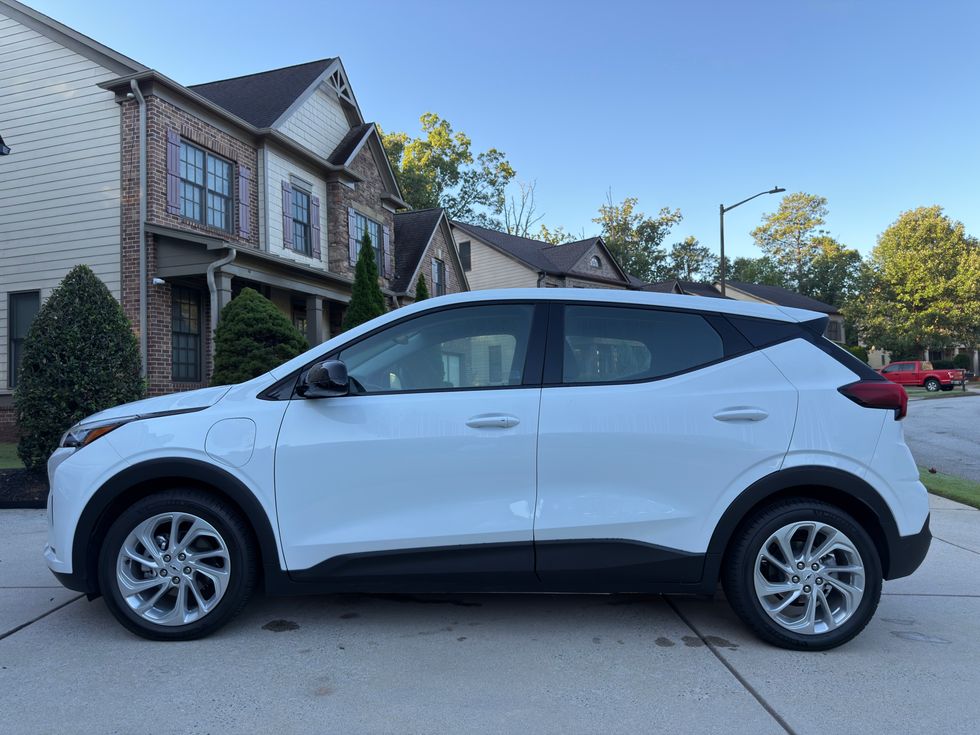
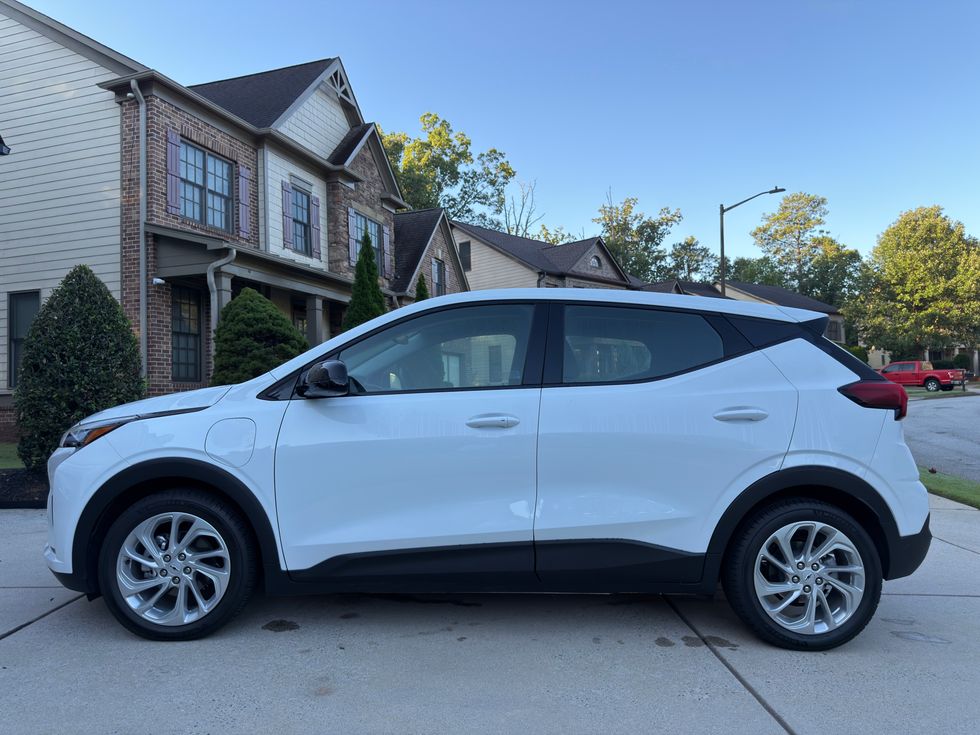
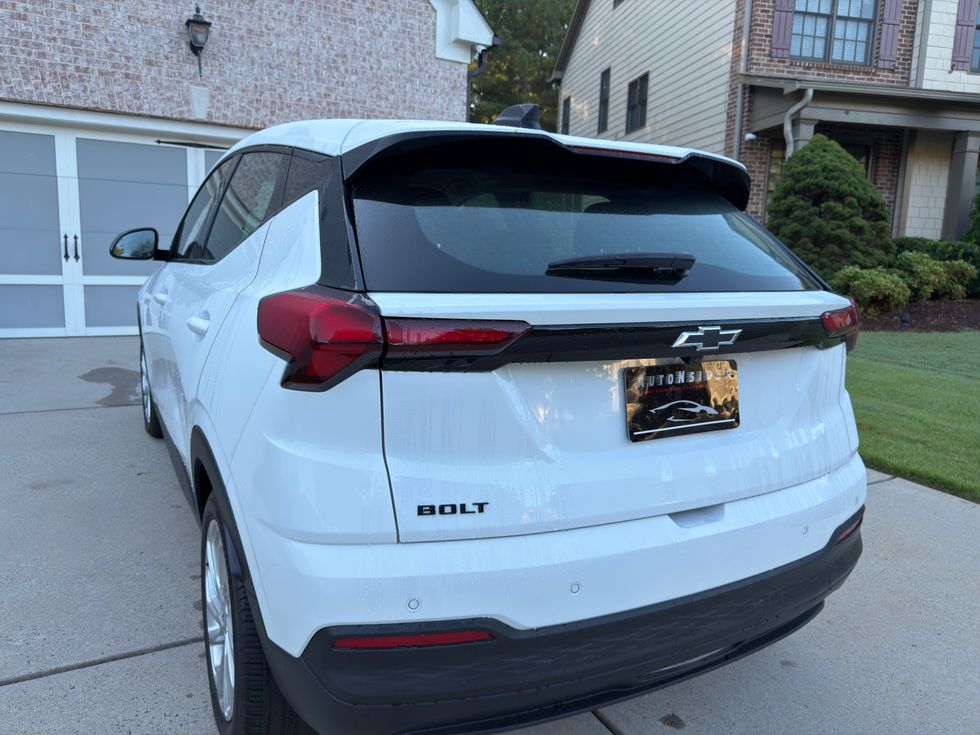
The Bolt is not much to look at. Its shape is practical rather than memorable, and some shoppers will want more visual presence. Yet it is difficult to argue with the value. Buyers who are not chasing extra creature comforts can get a new electric vehicle with usable range and broad charging access for less than $30,000.
 Daryl Killian
Pricing and Value
| Model | Base MSRP | With Destination | Key Point |
| LT | $27,600 | $28,995 | Lowest-priced trim and the strongest value |
| LT tested | $27,600 | $29,990 | Adds the $995 Comfort Package |
| RS | $31,600 | $32,995 | Adds sportier appearance and trim features |
Price note: MSRP excludes tax, title, license, dealer fees, and optional equipment. Dealers set final transaction prices.
What Changed for 2027
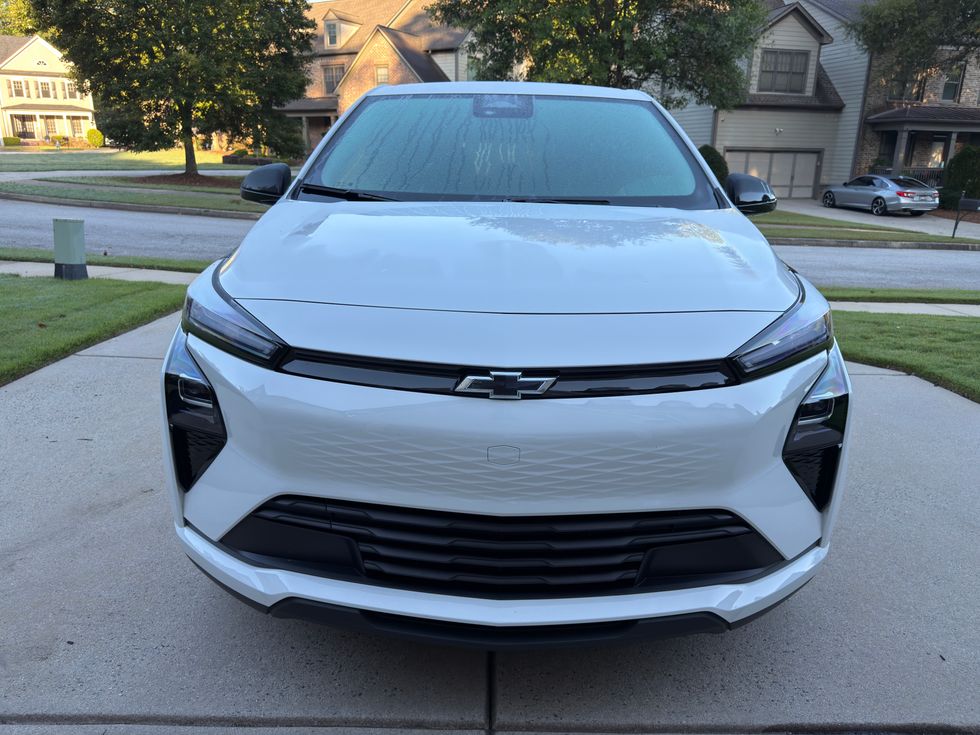
The returning Bolt receives updated front and rear styling, new lighting, and a redesigned cabin. Chevrolet also added the RS trim for buyers who want a sportier appearance. The RS brings a unique grille, black 17-inch wheels, gloss black roof rails, RS badging, black Evotex seating with red stitching, and multicolor ambient lighting.
 Daryl Killian
Every Bolt uses a front-mounted electric motor rated at 210 horsepower and 169 pound-feet of torque. A 65 kWh lithium-iron-phosphate battery supplies the energy. Chevrolet uses a heat pump to manage cabin and battery temperatures, which helps efficiency in varying weather conditions.
Range and Charging
The EPA-estimated range is 262 miles on a full charge. Actual range will vary with temperature, speed, terrain, battery condition, passenger and cargo load, and climate-control use. Even with that qualification, 262 miles gives the Bolt enough flexibility for commuting, local business routes, and many regional trips.
Charging is one of the most important improvements. Chevrolet rates the Bolt for up to 150 kW DC fast charging and estimates a 10 to 80 percent charge in about 25 minutes when the battery and charger can deliver suitable performance. At home, the Bolt can accept up to 11.5 kW on compatible Level 2 equipment.
The standard native NACS port also matters. It allows the Bolt to use compatible Tesla Supercharger locations without a separate fast-charging adapter. Compatibility still varies by station, so owners should confirm access in the MyChevrolet app before depending on a specific location.
 Daryl Killian
Cabin and Technology
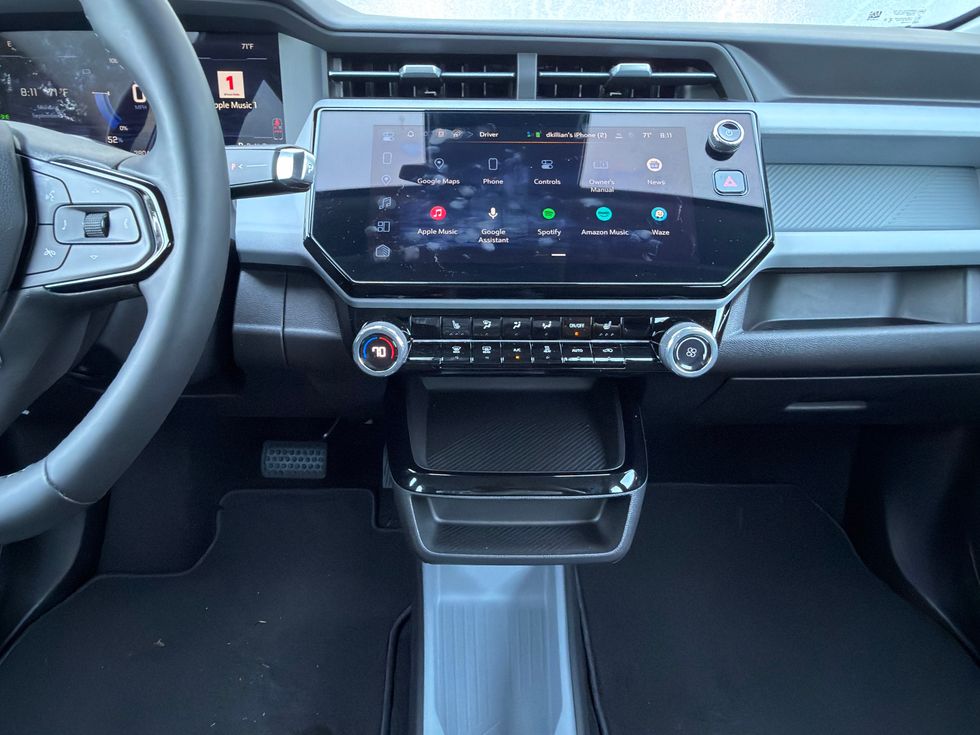
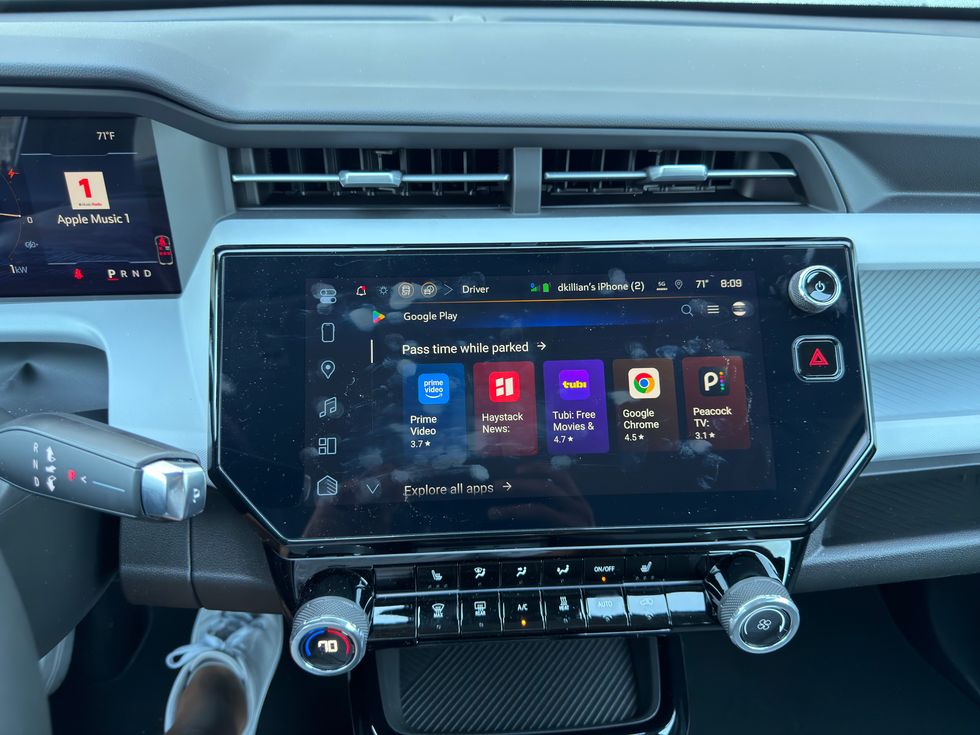
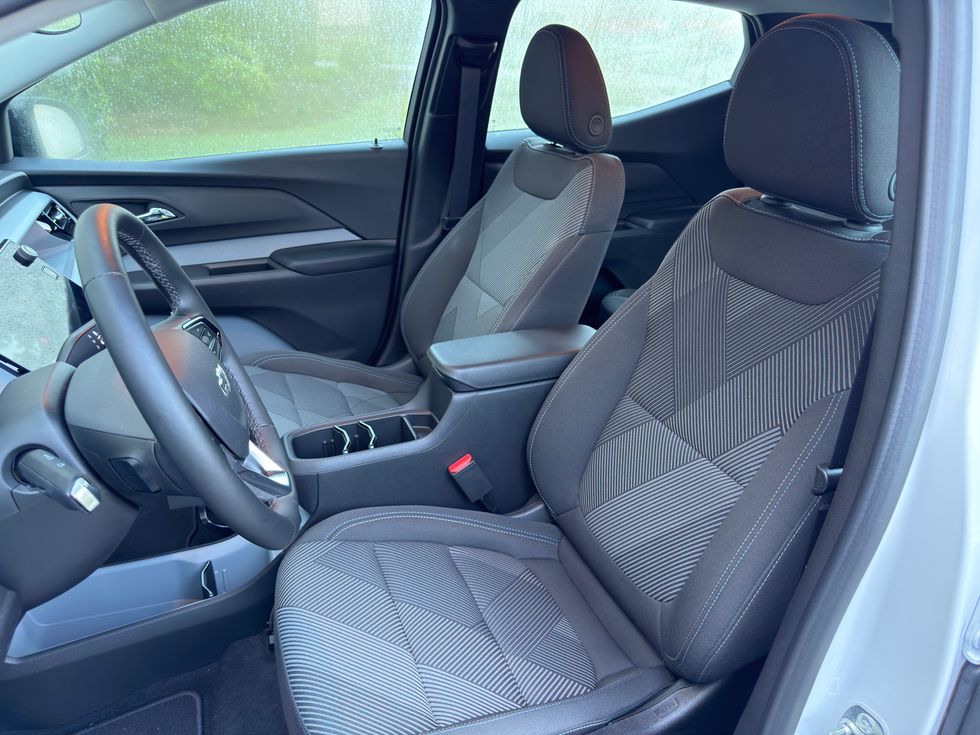
Inside, the Bolt remains a value-focused vehicle. There are hard plastics and straightforward materials, but the layout is clean and functional. The 11.3-inch center touchscreen and 11-inch driver information display give the cabin a more current look. Google built-in supports navigation and compatible connected services, subject to service and account requirements.
 Daryl Killian
I appreciate that Chevrolet retained physical controls for frequently used functions such as climate settings and audio volume. The column shifter opens space between the seats, and the redesigned center console adds accessible storage above and below the main surface.
 Daryl Killian
Comfort equipment requires careful shopping. Heated front seats and a heated steering wheel are available, but they may require an option package or a higher specification. The base price is compelling because Chevrolet does not load the entry model with every convenience feature.
 Daryl Killian
Passenger and Cargo Utility
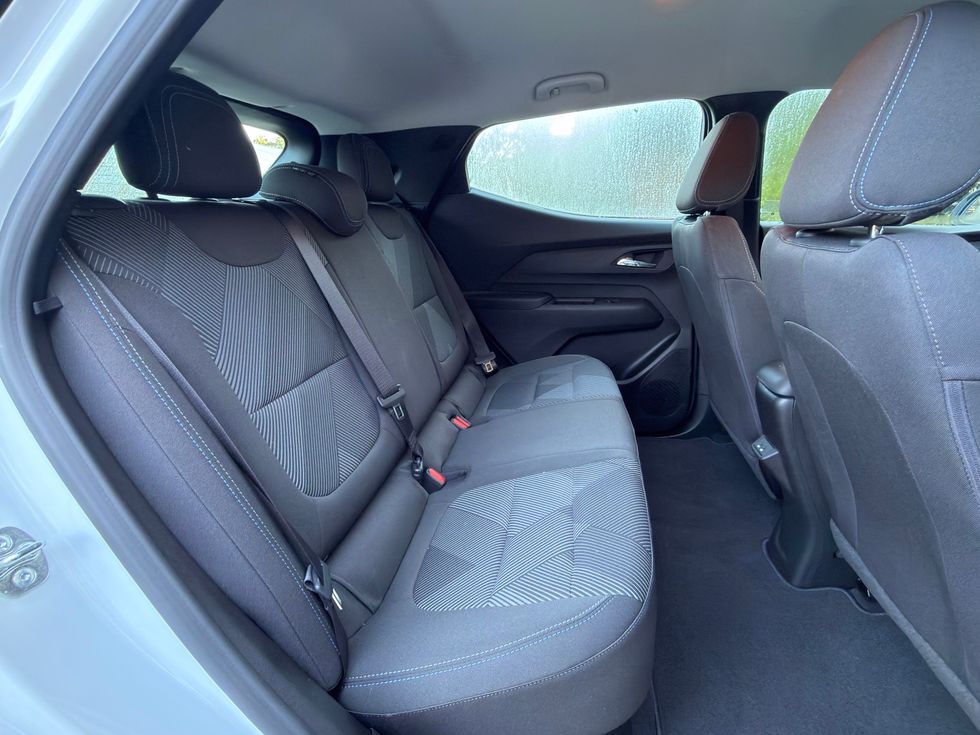
The Bolt is compact on the outside, but it uses its footprint well inside. Chevrolet lists 39.1 inches of rear legroom. Adults can fit in the second row, and the relatively flat floor makes the center position more practical than it is in many small vehicles.
 Daryl Killian
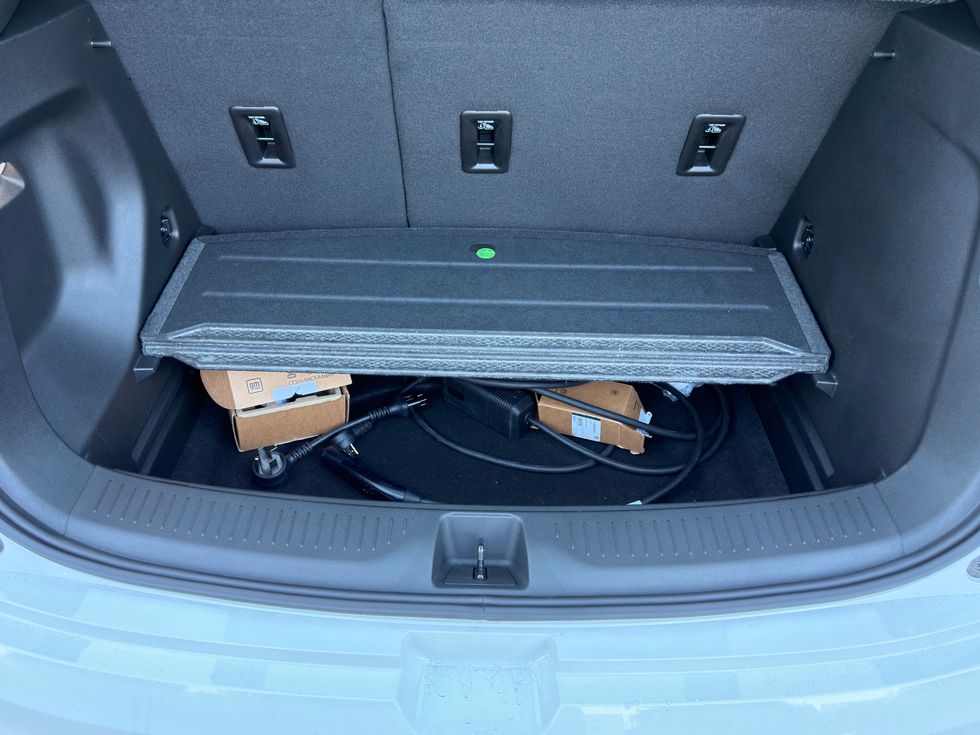
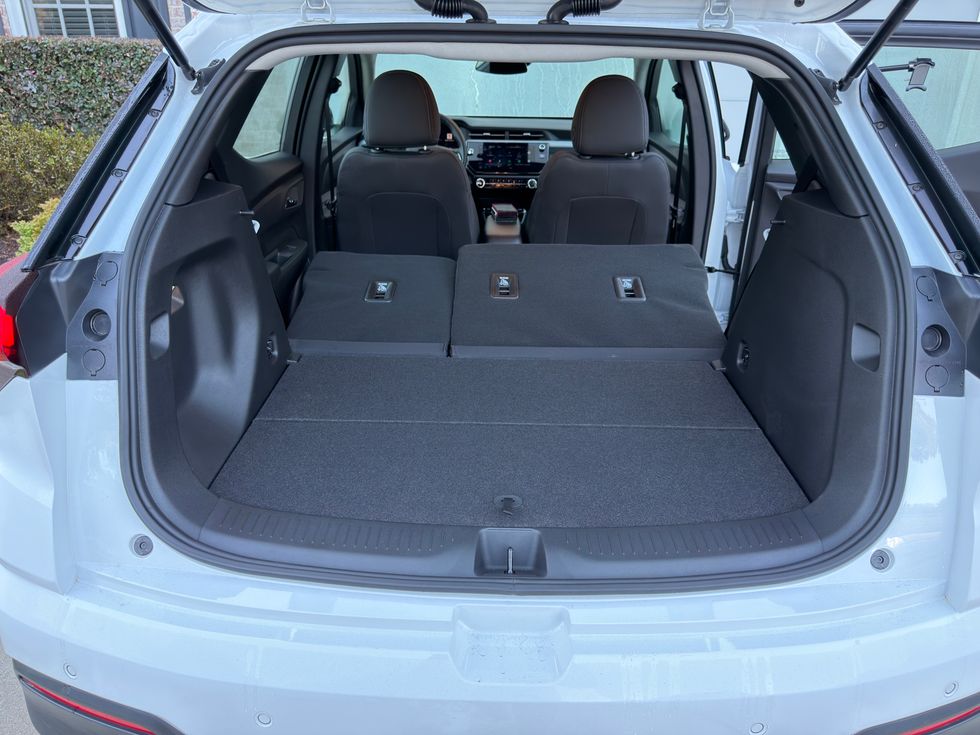
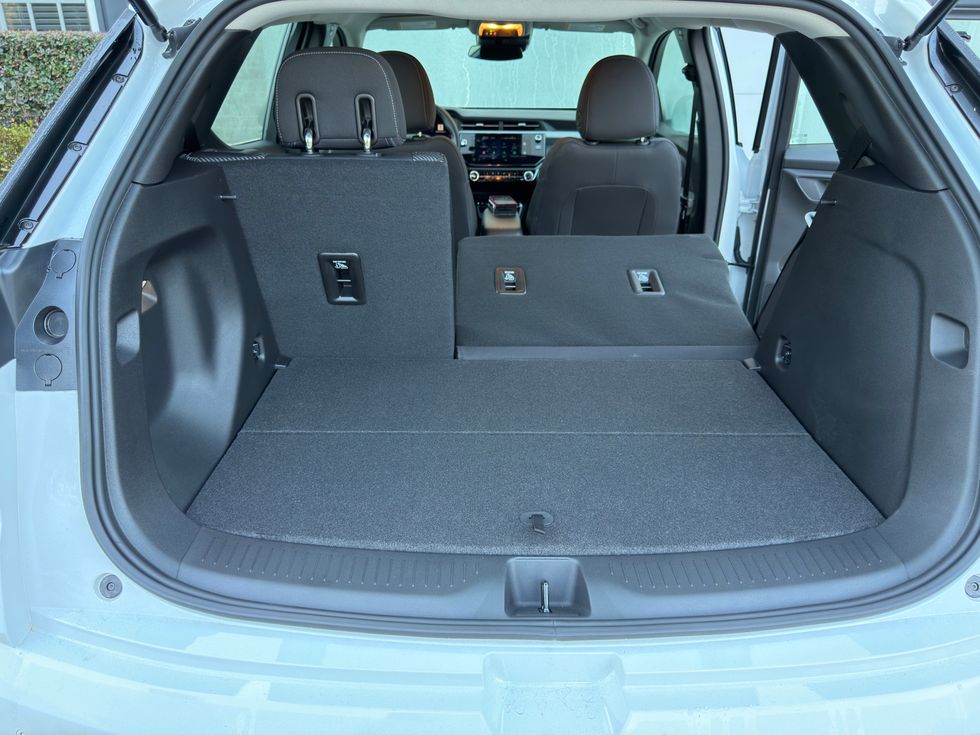
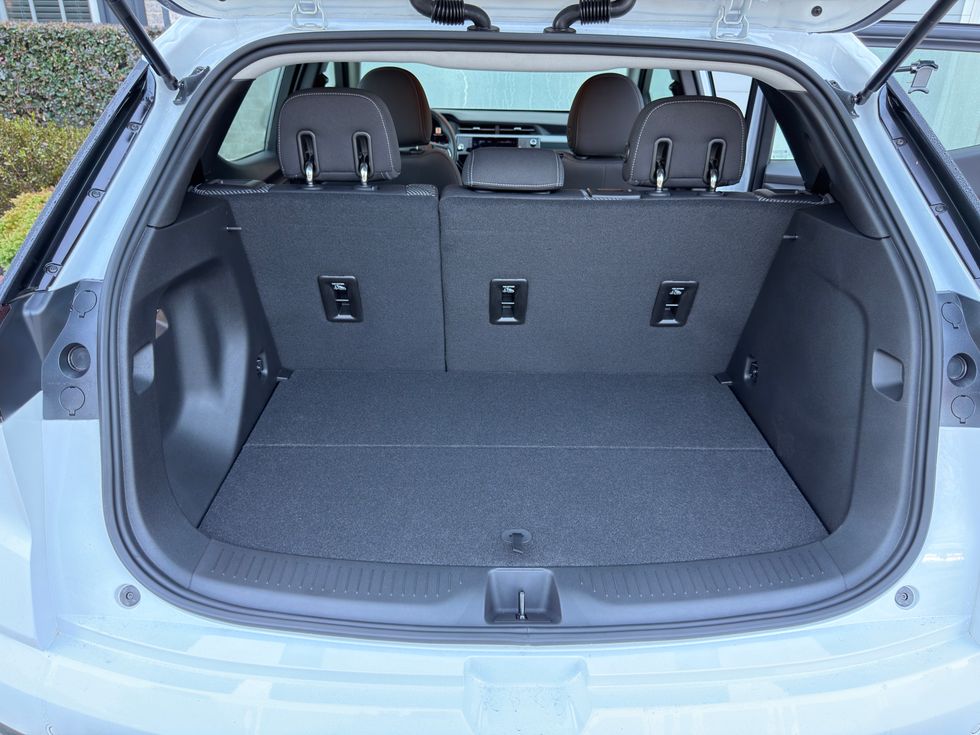
Cargo volume measures 16.2 cubic feet behind the rear seats and 56.3 cubic feet with the rear seat folded. It also offers storage beneath the cargo floor for charging equipment, emergency supplies, or small tools. Chevrolet does not include a conventional spare tire. The Bolt comes with an inflator kit, so frequent travelers should consider roadside assistance or another tire plan.
2027 Chevrolet Bolt
Daryl Killian
A Practical Choice for Businesses and Fleets
The Bolt also deserves consideration beyond the retail driveway. Its combination of price, compact dimensions, secured interior storage, and predictable operating range could suit utility companies, meter-reading operations, local government agencies, private-security firms, and small businesses with repeatable daily routes.
Tradespeople who carry light equipment may also find it useful. The rear seats fold for additional cargo room, and the small footprint makes the Bolt easy to park in crowded neighborhoods and commercial areas. It is not rated to tow, and it will not replace a pickup or cargo van. Fleet managers should compare daily mileage, charging access, downtime, cargo weight, and employee use before buying.
Safety Equipment and Rating Status
Chevrolet lists more than 20 standard safety and driver-assistance features. Standard equipment includes adaptive cruise control, front pedestrian braking, lane-keeping assistance with lane departure warning, side bicyclist alert, intersection automatic emergency braking, blind-zone steering assist, automatic high beams, a Safety Alert Seat, and a rear-seat reminder.
Those systems are useful, but they do not replace attentive driving. At the time of this review, the window sticker stated that federal frontal-crash, side-crash, and rollover ratings were not available. The National Highway Traffic Safety Administration had a 2027 Bolt vehicle page, but I could not confirm a published overall star rating. Buyers should check the current NHTSA listing because ratings may be added after publication.
My Decision
The 2027 Chevrolet Bolt is easy to underestimate. It doesn't make a strong first impression through design, and shoppers expecting luxury materials or a long list of standard comfort features may find it basic.
Price-conscious buyers should still consider it. The LT offers 262 miles of EPA-estimated range, native NACS charging, a useful cabin, and a solid list of standard safety technology for $28,995, including destination. The example I reviewed stayed below $30,000 even with the Comfort Package.
That combination makes the Bolt a credible choice for commuters, environmentally conscious buyers, first-time EV shoppers, and organizations that need efficient vehicles for predictable routes. It is not the vehicle to buy for maximum style or luxury. It may be one of the smartest new-vehicle purchases for buyers who care most about value.