


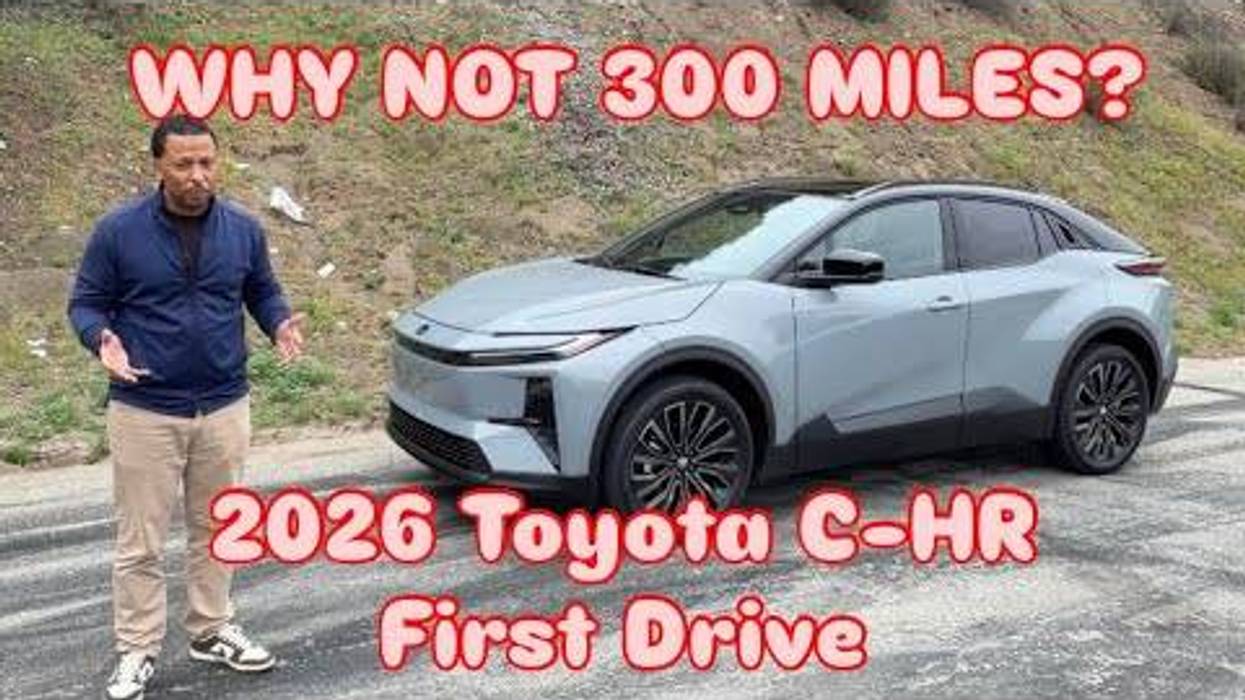

The Toyota C-HR returns to the United States market as a fully electric compact SUV, and this time it arrives with real performance credentials and a bold design language that signals Toyota is taking battery electric vehicles seriously.
 Daryl Killian
I first saw the C-HR at Toyota U.S. headquarters last year and was immediately impressed by its coupe-like proportions and athletic stance. I liked it enough to ask my wife whether we should wait for its release before replacing her Tesla Model Y Performance when the lease expired. Timing did not work in our favor. The lease ended in August. The C-HR arrives in March.
Now, driving it in Ojai, California, on winding mountain roads, the question becomes simple. Did we miss out?
 Daryl Killian
Design and Presence
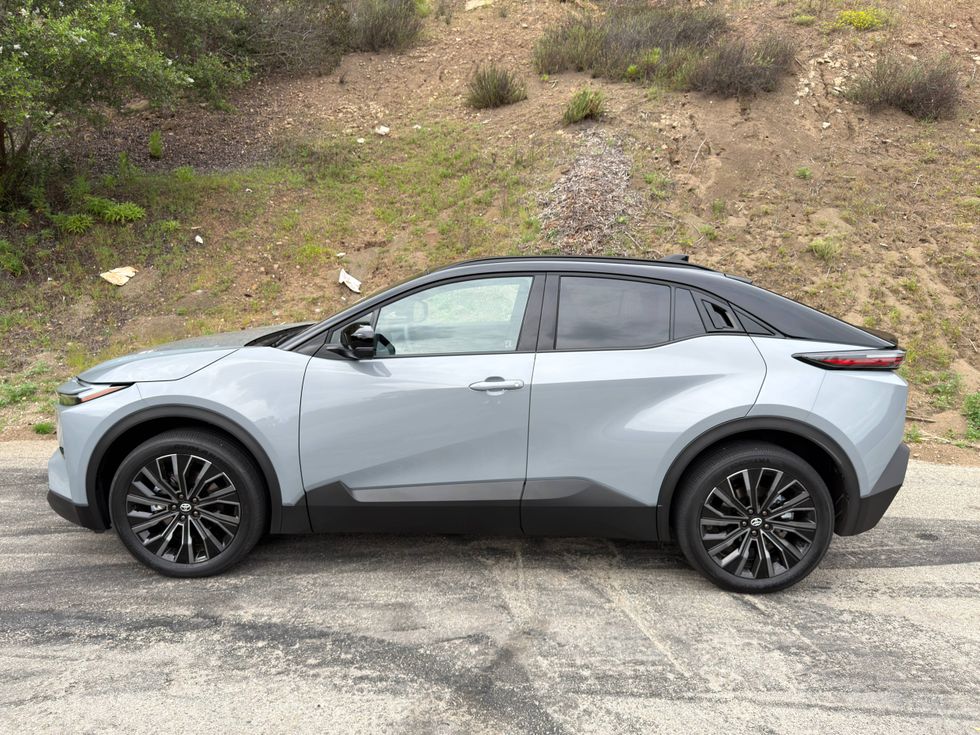
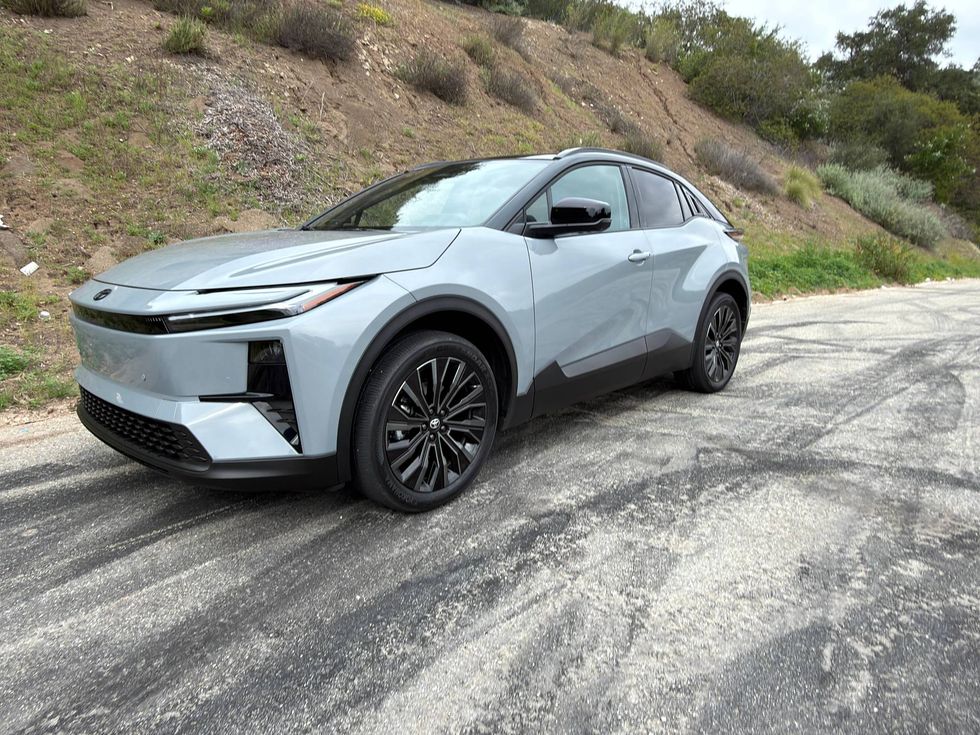
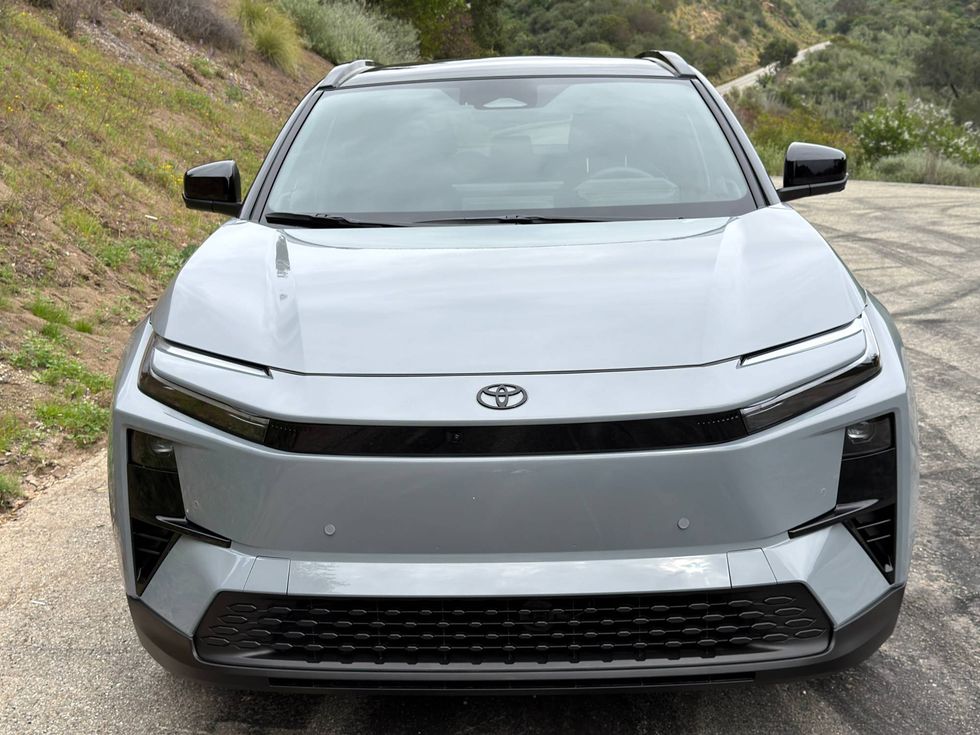
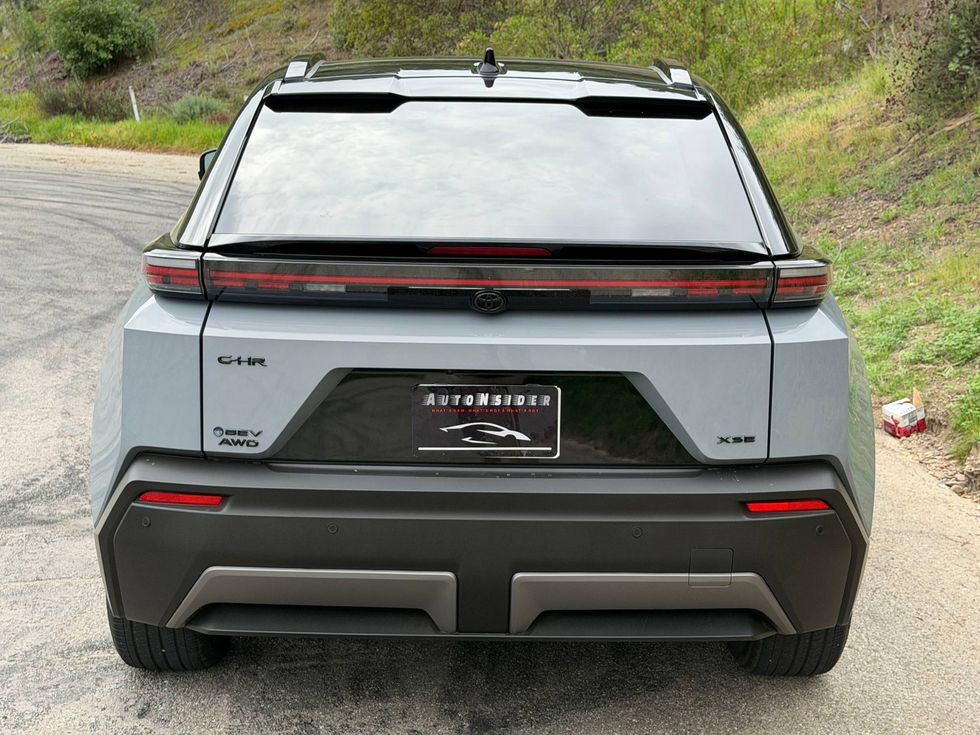
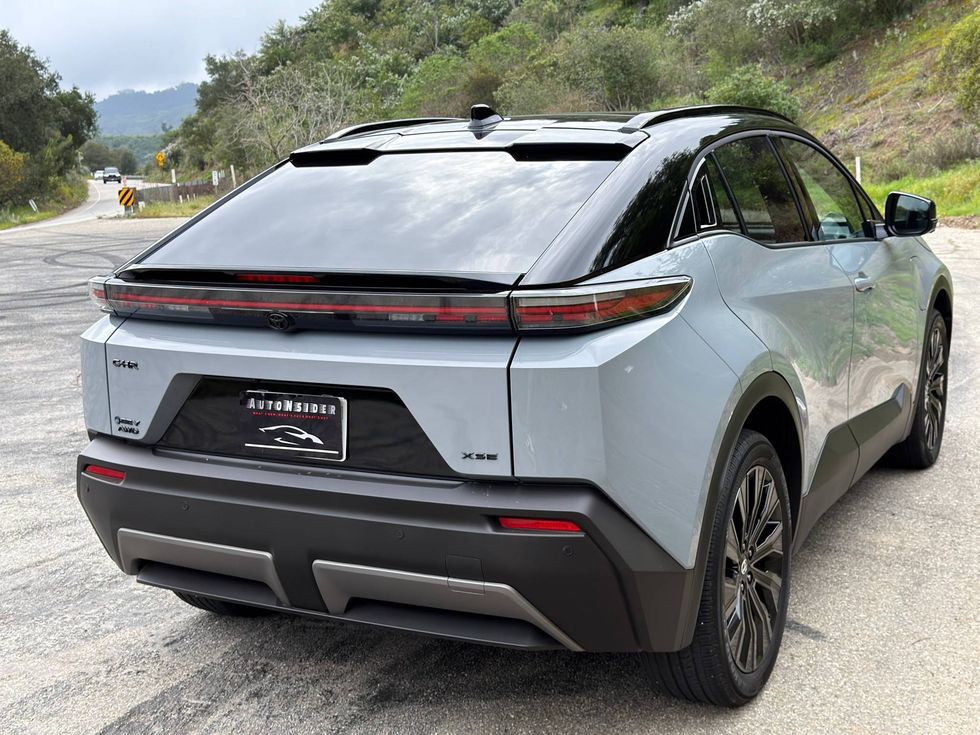
The 2026 Toyota C-HR features a wide, planted stance, a flowing roofline, and Toyota's signature hammerhead front design. At just under 178 inches long with an 108-inch wheelbase, it fits squarely in the compact SUV segment, yet it visually feels lower and sportier than many of its competitors.
It does not look like an entry-level electric vehicle. It looks intentional. This is one of the better styled compact electric SUVs on the market right now.
 Daryl Killian
Driving Impressions and Acceleration
Power comes from dual electric motors that produce 338 combined horsepower, with standard all-wheel drive. Toyota estimates a 0-60 mph time of 4.9 seconds, and from behind the wheel, that feels accurate.
Acceleration is brisk and immediate, delivering the smooth torque EV drivers expect. There is no hesitation. Press the pedal and the C-HR responds with confidence. It is quick enough to feel engaging without becoming tiring in daily driving.
What stands out most is the balance.
The suspension setup is tuned for control and composure rather than aggressive sharpness. On the winding roads outside Ojai, the C-HR felt planted and stable. Steering is precise enough to place the vehicle confidently through curves, and the low center of gravity from the underfloor battery helps keep body movement well managed.
It is not pretending to be a sports car. It is a well-engineered, compact electric SUV that feels confident in real-world driving.
Ride Quality and Cabin Refinement
Ride quality strikes an intelligent middle ground. It is not soft and floaty, nor is it a sports car firm. Broken pavement and uneven surfaces are absorbed without harshness, yet there is enough feedback to maintain connection to the road.
Inside, the cabin is impressively quiet. Wind noise is minimal. Road noise is well controlled. The overall structure feels solid.
 Daryl Killian
 Daryl Killian
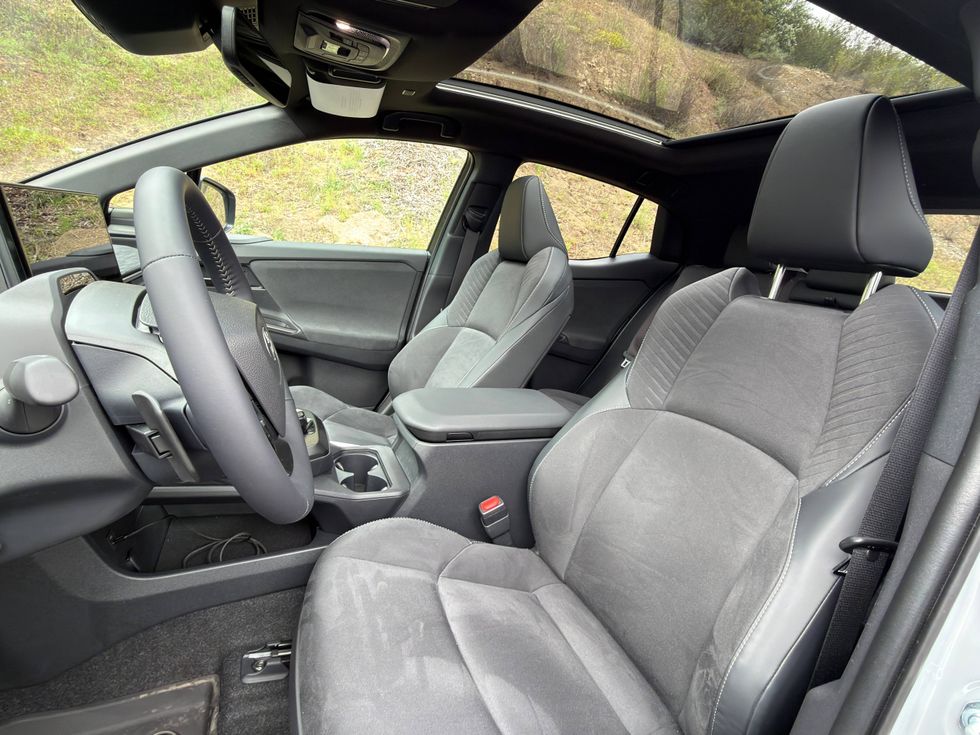
The interior design is clean and functional, centered around a large 14-inch touchscreen. Ambient lighting and available premium trim options add visual interest, but compared to some of the more visually dramatic electric competitors in this segment, the interior feels conservative.
That may not be a weakness.
Toyota has built its reputation on long-term durability and quality. The C-HR's understated execution may prove to age better than flashier alternatives once these vehicles accumulate real miles.
Space and Practicality
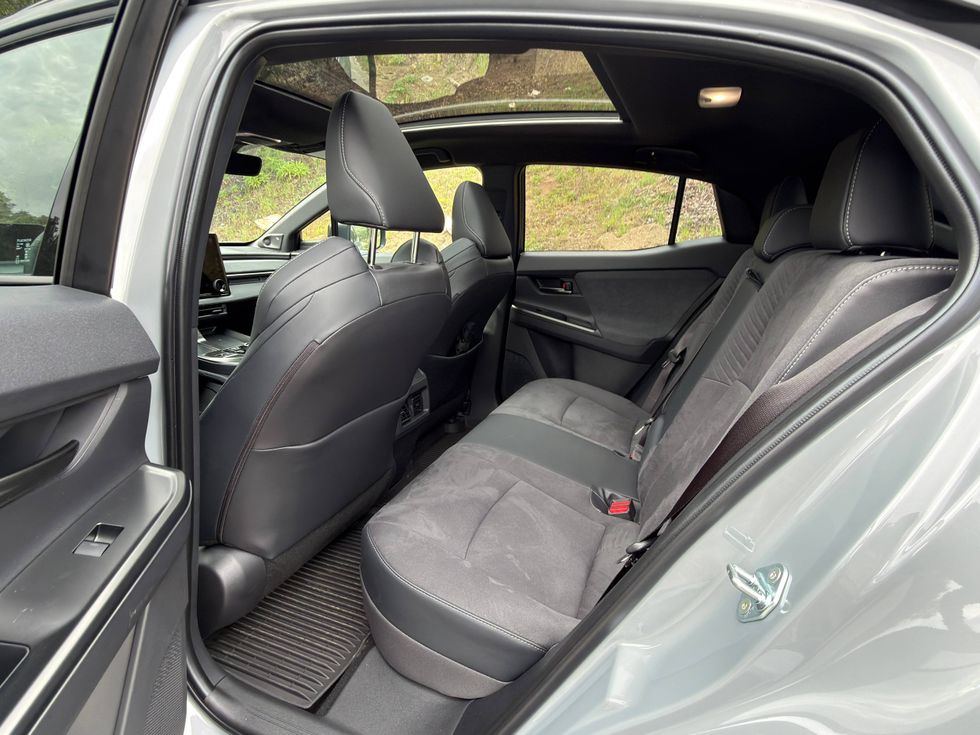
For a compact SUV, space is competitive.
Cargo capacity measures 25.3 cubic feet behind the rear seats and expands to nearly 60 cubic feet with the seats folded flat. Passenger space works well for small families, and the overall packaging feels efficient and usable.
 Daryl Killian
For a young family with one or two small children, this absolutely works as a daily driver. For my family right now, with a teenager and all the gear that comes with this stage of life, it might feel slightly tight.
Once we become empty nesters, this size makes much more sense.
Range and Charging Perspective
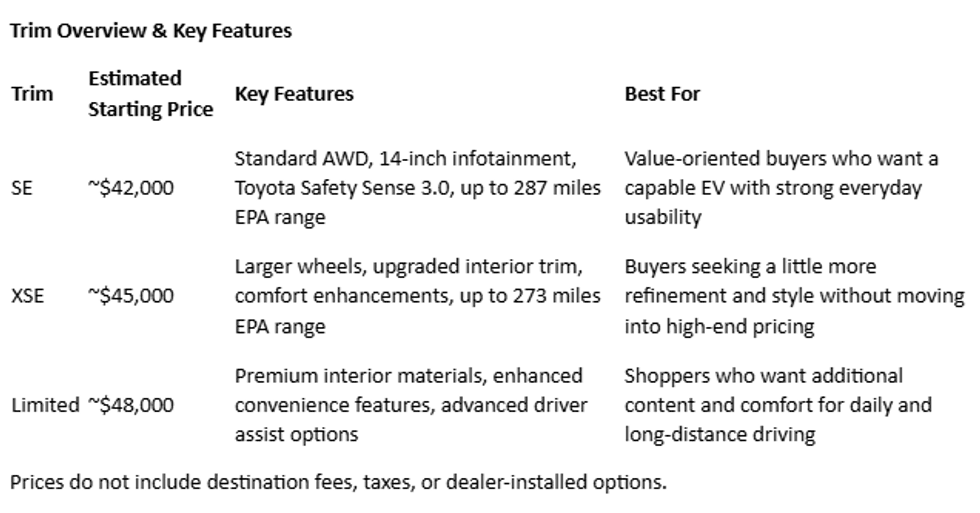
The C-HR is powered by a 74.7 kWh battery. EPA estimated range tops out at 287 miles on the SE trim and 273 miles on the XSE with larger wheels.
It does not reach the symbolic 300-mile benchmark that many competitors advertise.
That number matters to some buyers.
In daily use, however, 270 to 287 miles is more than sufficient for most commuting and family driving scenarios. The C-HR also supports DC fast charging up to 150 kW, allowing a 10 to 80 percent charge in about 30 minutes under ideal conditions. Compatibility with the North American Charging Standard broadens access to public charging networks.
In practical terms, it works.
It simply does not carry the marketing headline.
Safety and Driver Assistance
Every C-HR includes Toyota Safety Sense 3.0, which brings a comprehensive suite of active safety systems, including adaptive cruise control, lane tracing assist, pre-collision system with pedestrian detection, road sign assist, and proactive driving assist.
Blind-spot monitoring, rear cross-traffic alert, and safe exit alert are also included.
Toyota continues to prioritize safety and long-term ownership confidence alongside electrification.
Final Thoughts
The 2026 Toyota C-HR delivers confident performance, composed handling, and thoughtful everyday usability.
Acceleration is strong. Ride quality is balanced. The cabin is quiet. Packaging works for small families and urban buyers.
The interior may not be the most visually dramatic in the segment, but Toyota's history suggests long-term quality could become one of its biggest advantages.
Would I have liked to see a 300-mile EPA estimate on paper? Yes.
Is the available range more than enough for how most families actually use their vehicles? Absolutely.
For my family today, it might be slightly small. In a few years, when our needs shift, this becomes a serious contender.
And by then, perhaps Toyota stretches the range even further.
The 2026 Toyota C-HR BEV enters the compact electric SUV segment with engaging performance, standard all-wheel drive, and a balanced approach to range, capability, and everyday usability. It is designed for buyers who want spirited acceleration, confident handling, and a practical, fun-to-drive daily driver.
Trim levels are structured to balance technology, comfort, and price across the lineup while retaining Toyota's emphasis on reliability and safety.
 Daryl Killian
Key Specifications at a Glance
Performance
• Dual electric motors with standard all-wheel drive
• 338 horsepower
• Estimated 0 to 60 mph in 4.9 seconds
Battery / Range
• 74.7 kWh lithium-ion battery
• EPA estimated range:
• SE: up to ~287 miles
• XSE: ~273 miles with larger wheels
Charging
• DC fast charging up to 150 kW capability
• Compatible with North American Charging Standard (NACS)
• Battery preconditioning for optimized fast charging
Dimensions & Practicality
• Compact footprint ideal for urban and light suburban driving
• Cargo volume is competitive for the segment
• Seating for five with flexible storage configuration
Range: What Buyers Should Know
The C-HR's EPA range does not hit 300 miles, a number many competitors advertise. On paper, that may seem like a disadvantage. In real-world daily use, however, the range is more than sufficient for commuting, errands, school runs, weekend activities, and typical travel needs for most families.
Buyers who prioritize maximizing headline range should compare the C-HR's real-world performance with rivals'. Still, those who focus on everyday usability and confidence in mixed driving conditions will find the C-HR's range practical and honest.
Charging & Ownership
The C-HR uses the North American Charging Standard, which broadens access to the largest fast-charging network in the U.S. DC fast-charging capability reduces downtime on longer trips, especially when battery preconditioning is active before fast-charging sessions.
Toyota's reputation for long-term ownership quality supports confidence in the BEV drivetrain and charging systems, giving buyers peace of mind beyond initial purchase.
Technology & Safety
Across the lineup, Toyota Safety Sense 3.0 comes standard. The suite includes:
• Adaptive cruise control with full range capability
• Lane tracing assist
• Pre-collision system with pedestrian detection
• Road sign assist
• Blind spot monitor
• Rear cross traffic alert
• Safe exit alert
Infotainment centers on a responsive 14-inch display with standard wireless Apple CarPlay and Android Auto. Interior materials and trim levels vary by grade but remain functional and user-friendly.
Who This Vehicle Is For
Best Fit Buyers
• Drivers seeking a spirited and confident compact electric SUV
• Buyers who want standard all-wheel drive in an EV
• Urban and suburban families needing practical space and everyday usability
• Shoppers who value Toyota's long-term reliability and safety reputation
Might Be Too Small For
• Larger families needing maximum cargo and passenger space
• Buyers who insist on a 300+ mile EPA range at the outset
Final Buyer Recommendation
The 2026 Toyota C-HR BEV balances acceleration, ride comfort, interior usability, and real-world range in a way that works for most daily driving scenarios. It is especially compelling for buyers who appreciate Toyota's thoughtful engineering and long-term quality, even if it does not chase the highest range figures on paper.
For drivers who value confident performance, well-managed ride quality, and a vehicle that feels engaging yet practical around town and on weekend drives, the C-HR makes a strong case as a compact electric SUV worth serious consideration.
 Daryl Killian