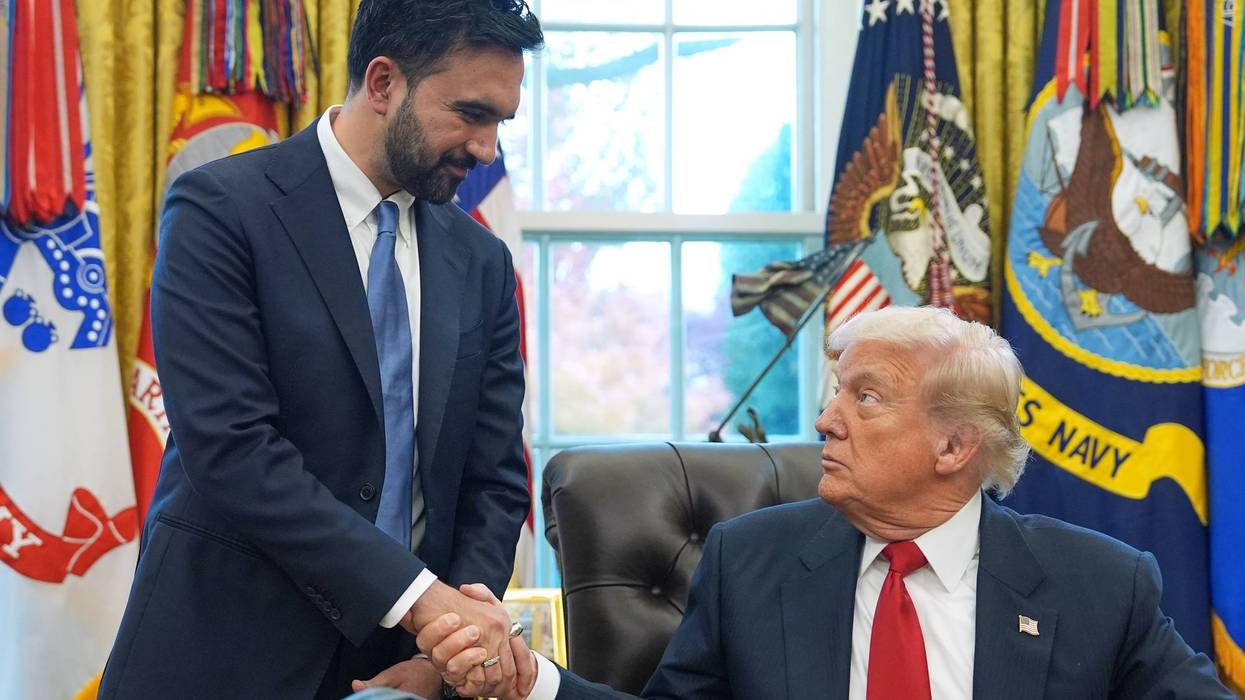



School closures are among the hardest decisions education leaders can face, and Denver Public Schools Superintendent Dr. Alex Marrero said they cannot be made lightly, emotionally or without a clear understanding of what is at stake for students and communities.
Marrero recently spoke with the Turners to discuss declining enrollment, budget realities and the long-term planning required to keep large public school systems academically strong and financially stable. Marrero has led Denver Public Schools, Colorado's largest school district, since 2021. The district serves about 90,000 students, employs roughly 15,000 people and oversees more than 200 schools.
During the interview, Marrero emphasized that public education leadership is more than an administrative role.
"I do believe that this is a calling," Marrero said.
That mindset shaped his explanation of why school closures sometimes become unavoidable. In Denver, he said, the district has been dealing with demographic shifts driven by declining birth rates, reduced housing development and rising costs of living. At the same time, the district operates under a per-pupil funding model, meaning fewer students often translates into fewer resources for schools with low enrollment.
Marrero said that reality creates inequities in student experience, with some schools able to offer more robust programs, staffing and support services while others struggle to provide even basic resources at the same level.
"We had simply way too many schools for the students that we're serving," Marrero said.
According to Marrero, the district initially identified 22 schools as critically underenrolled. But the process of determining what action to take was lengthy, emotional and rooted in much more than finances. He said the district approached the issue through value statements centered on student experience, academic opportunity, equity and long-term sustainability.
Rather than focusing only on budgets, Marrero said the district worked to explain the broader picture to the community, including the strain placed on teachers, counselors and school leaders when underenrolled schools lack the staffing and resources available at larger campuses.
He also said the district used community engagement, regional analysis and neighborhood-by-neighborhood review before settling on a final plan that included seven school closures and three school restructures.
Marrero described the process as one of the most difficult responsibilities he has faced as a superintendent, noting that school buildings often carry deep emotional meaning for families across generations. But he said leaders must also think beyond the present moment and make choices that protect students and school systems from deeper harm later.
Throughout the conversation, Marrero stressed that communities deserve transparency and context when such decisions are on the table. He said the work of education leaders is not to avoid hard truths, but to confront them with integrity and a student-first mindset.
For Marrero, the challenge is not just about balancing a budget or managing facilities. It is about ensuring that every student has access to a strong and equitable educational experience, even when that requires painful changes.
To listen to the full interview, click the link above.