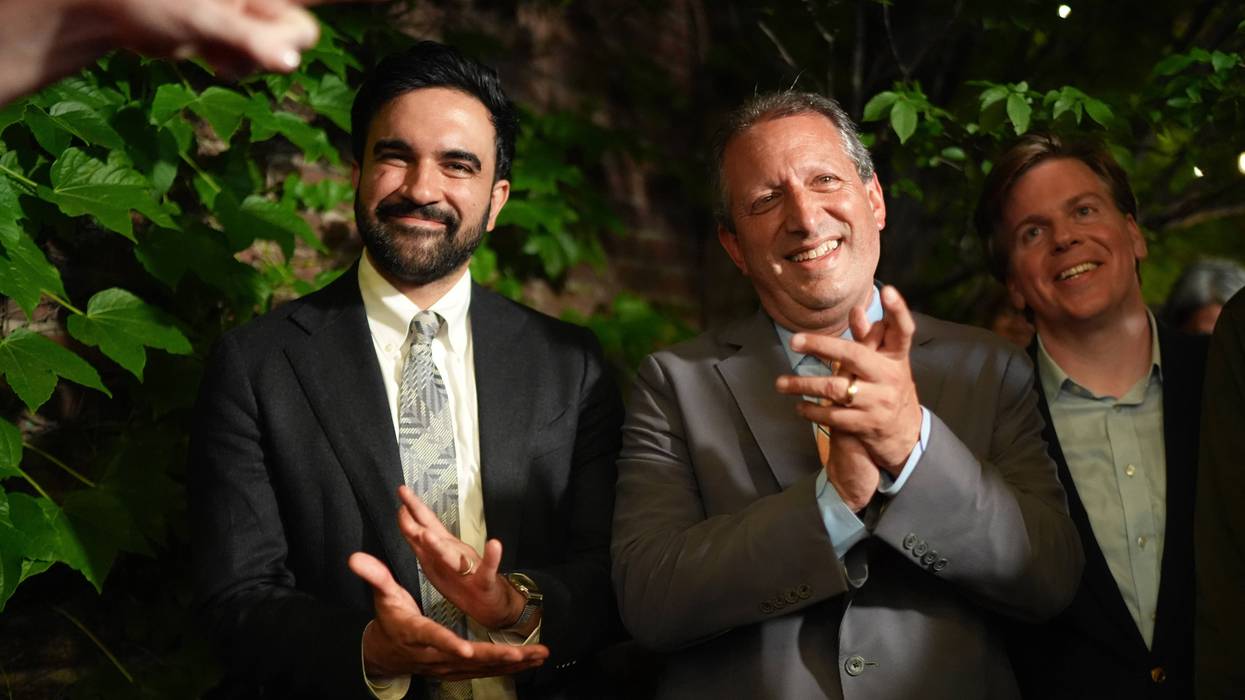


Recently on The WAOK Morning Show, Councilman Michael Julian Bond joined the program to discuss the recent protests surrounding the controversial "Cop City" project in Atlanta. Tensions escalated during a city council meeting on Monday, where constituents expressed their frustrations over the plan to build a police training facility, leading to an incident in which ping pong balls were thrown and attendees yelled, "You dropped the ball!"
During his interview, Mr. Bond shared the council's reaction to the uproar and the measures that were taken in response to the protests. However, some listeners expressed concern over Mr. Bond's remarks regarding the situation, particularly given the significant controversy surrounding the "Cop City" movement.
In light of these concerns, the WAOK team decided to bring him back on the program to further address the issue. The discussion has highlighted the growing divide in Atlanta regarding public safety and community trust, with calls for greater transparency and public input in decisions affecting local governance.
Mr. Bond, a proponent of the project, stated that the new facility is necessary to replace aging police and fire training infrastructure, which he described as being in gross disrepair. He argued that modernized training facilities are crucial for recruiting and retaining public safety personnel, especially amid a nationwide shortage in law enforcement. He emphasized the importance of having safe and adequate training environments to ensure quality service and operational effectiveness.
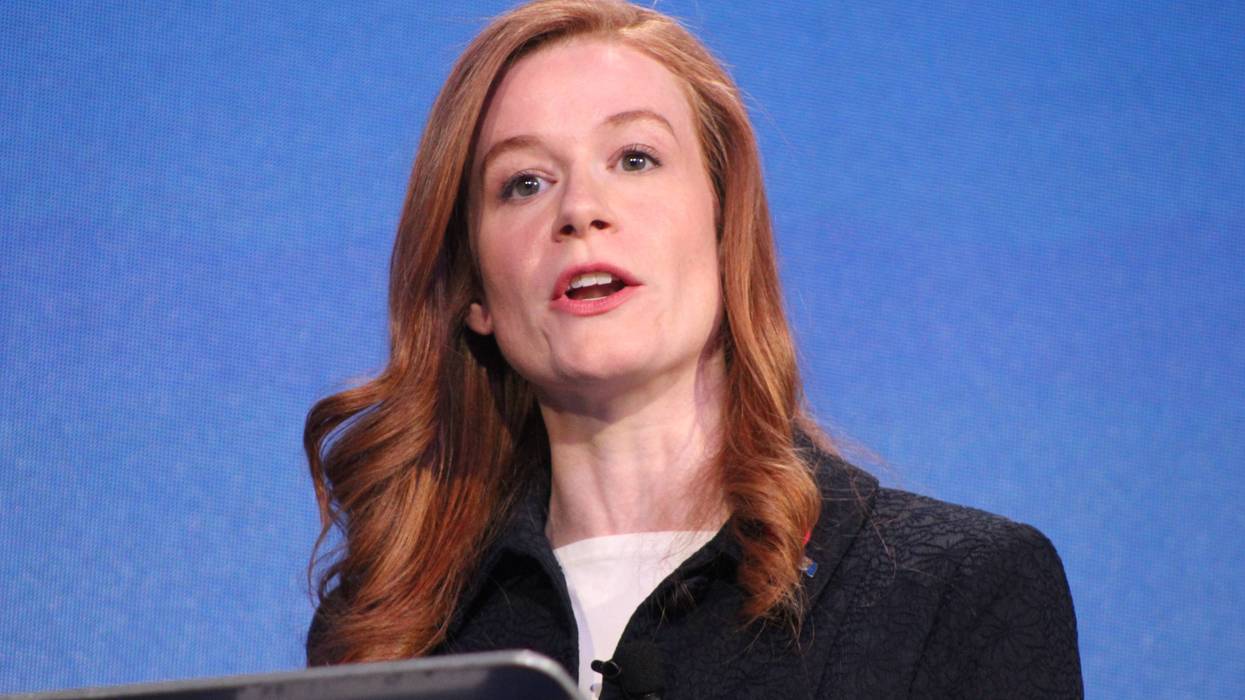
Ms. Siyanda took a different stance, representing individuals and groups opposed to Cop City. She expressed concern that the facility would disproportionately affect marginalized communities, particularly within the Black community, and labeled it part of a larger trend of increasing militarization in policing. She pointed out that over 116,000 citizens signed a petition seeking a referendum on the project, emphasizing a desire for democratic participation in decisions affecting their community. She criticized the city clerk's refusal to validate these signatures, suggesting that it undermined citizens' voices.
The conversation highlighted a growing divide in Atlanta regarding public safety and community trust. Ms. Siyanda called for more transparency and an avenue for public voting on the project, asserting that residents deserve a say in such significant community matters. Mr. Bond acknowledged the importance of public discourse but reiterated that the facility's establishment was a necessary step for enhancing public safety services.
The exchange underscored the complexities surrounding the issue, with both speakers voicing their commitment to the well-being of Atlanta residents but differing significantly on the means of achieving that goal.
To listen to the full interview, click the link above.