

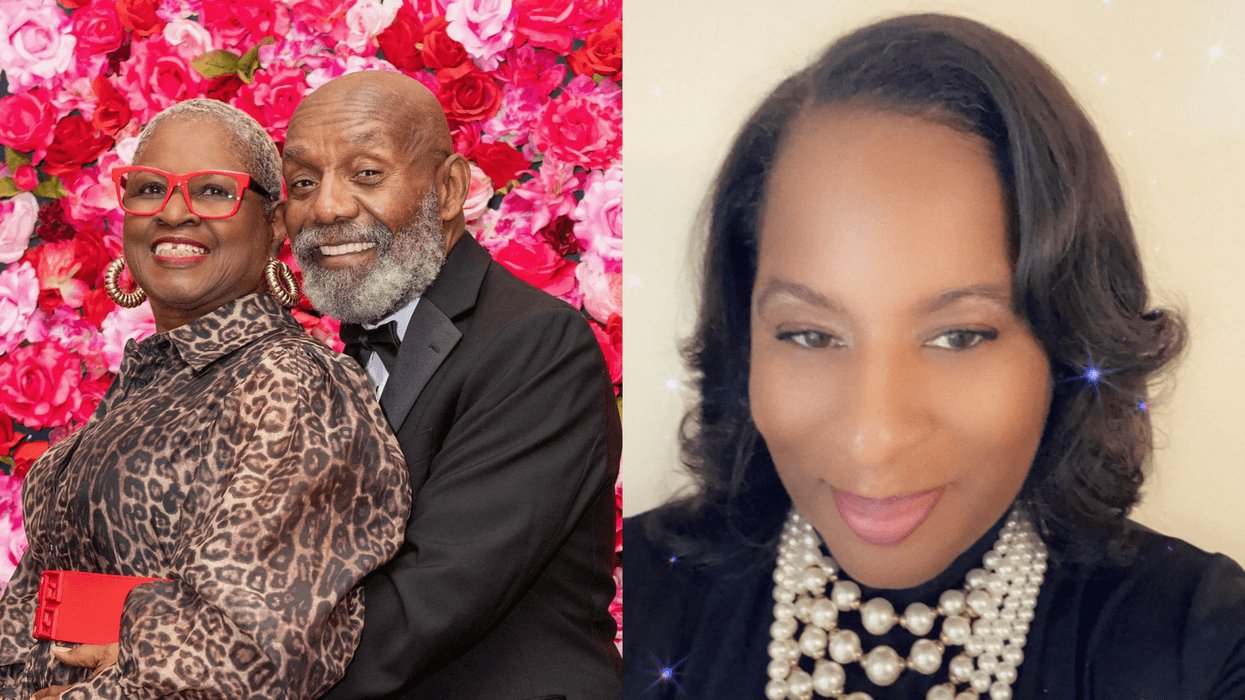
The latest edition of Let's Talk About It with the Turners featured licensed psychotherapist and theologian Dr. Cherry DeVore Estelhomme for a conversation on the emotional shift many people experience during the holiday season, a phenomenon she refers to as the "Holiday Hush."
Dr. Estelhomme explained that while holidays are often associated with connection and celebration, many individuals encounter a period of quiet emotional disruption once the activities end. She described the transition as a moment when "the noise stops, the people leave, and everything you pushed aside starts to surface." She noted that feelings of sadness, loneliness, grief or emotional fatigue frequently intensify during this time.
Throughout the discussion, Dr. Estelhomme emphasized the importance of acknowledging emotions rather than avoiding them. "You cannot heal what you hide in silence," she said, adding that identifying the specific feelings a person is experiencing is a critical first step in managing them effectively.
She outlined four steps designed to help individuals navigate the Holiday Hush: naming the emotion, recognizing what is being missed, taking intentional steps toward self-care and identifying one positive element in the day. According to Dr. Estelhomme, these practices support emotional regulation and help individuals process the shift that occurs after holiday gatherings.
The Turners highlighted how commonly people internalize emotional struggles during this season, particularly in communities where expressions of vulnerability are discouraged. Dr. Estelhomme noted that cultural and family expectations often influence how individuals respond to emotional distress, leading many to overlook their own needs. She explained that small acts of self-care, including rest, hydration or brief moments of quiet, can help stabilize emotional responses.
The conversation also addressed the ongoing stigma surrounding mental health care in Black and faith-based communities. Dr. Estelhomme said the reluctance to seek treatment can prevent individuals from accessing professional support that could be beneficial. She explained the importance of considering mental health services the same way physical health care is viewed. "Your body doesn't stop at the neck," she said, stressing the need for inclusive and culturally informed clinical conversations.
To listen to the full interview, click the link above.