

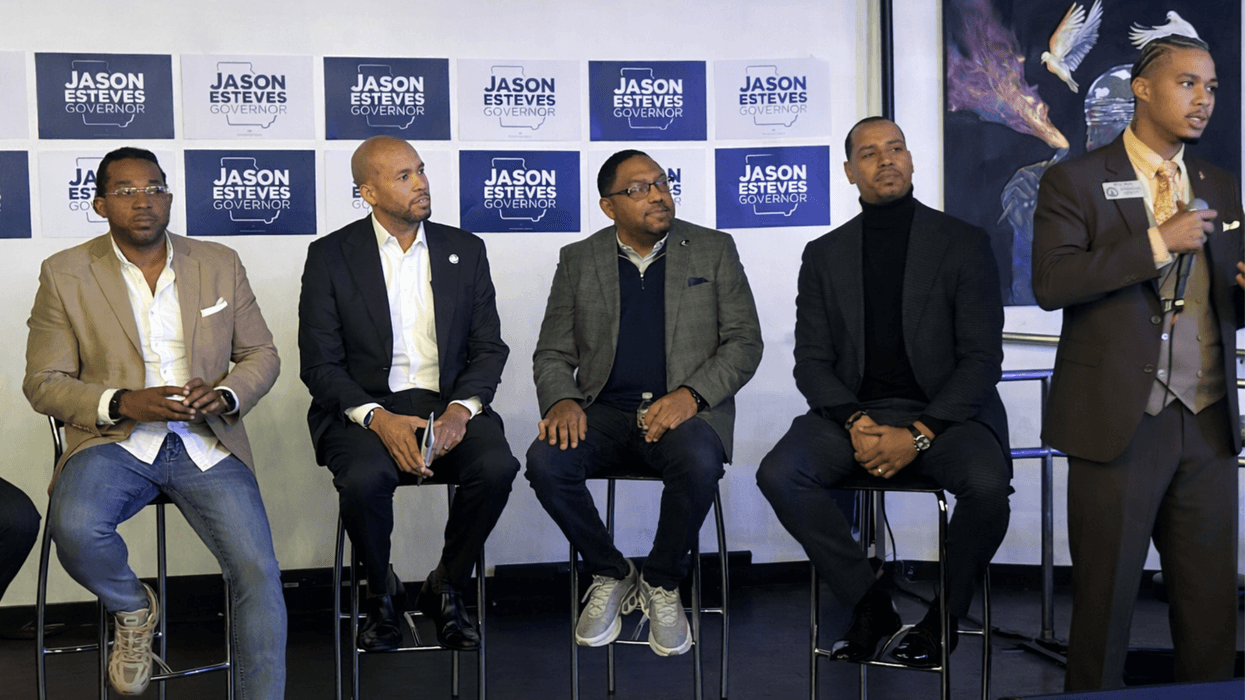

Democratic gubernatorial candidate and former state Sen. Jason Esteves unveiled his Black Men's Agenda Tuesday night during a Black men's roundtable in Atlanta, framing the policy platform as a direct response to the health, economic and social challenges facing Black men across Georgia.
The event, held at Atlantucky Brewing, brought together community leaders, organizers and residents for a wide-ranging discussion on mental health, wealth-building, political engagement and fatherhood. Panelists included Marty Monegain, executive director of The Black Man Lab; Mario A. Reyes, president of the Undugu Brotherhood; Curtis Akeem, founder of the D Dub Arts Foundation; and Kevin Irvin, operations manager of Atlantucky Brewing.
Esteves said the agenda is rooted in lived experience and focused on expanding opportunity statewide. "As a Black man, a father, a small business owner, and a former educator, my plan is personal," Esteves said. "Black men have made outsized contributions to our state, and when we are supported, families are stronger, communities thrive, and Georgia prospers."
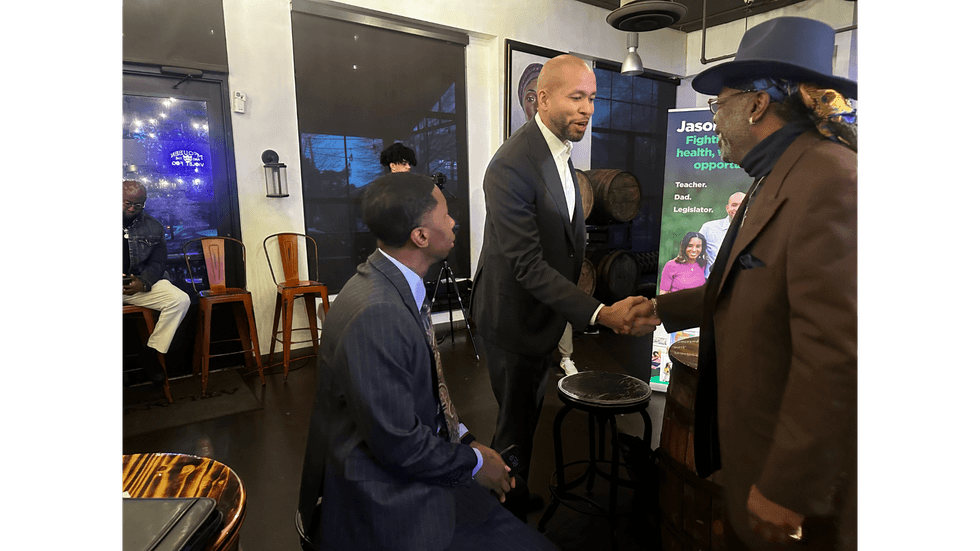 "Democratic candidate for governor and former State Senator" Jason Esteves2Benjii ENT
Throughout the roundtable, speakers highlighted the disconnect between Black men's contributions to Georgia's economy and culture and the lack of investment they receive in return. One participant pointed to the need to challenge harmful narratives while amplifying real success stories within communities.
"When you think about our economy, innovation, the creatives, when you think about the way Georgia has evolved and changed over the last 30 years, it's been driven by the success of Black men," Monegain said. "But we don't always get recognized, and oftentimes we get blamed for some of the issues that exist."
Mental health access was also discussed during the panel, with panelists noting that Georgia consistently ranks near the bottom nationally, particularly for Black communities. Speakers spoke on the importance of grassroots organizations that provide safe spaces, mentorship and support, often without consistent state funding.
Economic empowerment was also a major focus of the discussion. Esteves outlined proposals aimed at addressing barriers to wealth-building, including expanding access to capital for entrepreneurs and small business owners. He argued that reinvesting in local communities benefits both families and the broader state economy.
"I know that the number one barrier that Black men have to opening their own small business is access to capital," Esteves said. "Why can't we ensure that you are getting the capital that you need so that you can invest and pour it into your community?"
Panelists also addressed the challenges facing fathers, particularly those navigating custody, child support and legitimization laws. Several speakers stressed that strengthening fatherhood rights and providing affordable child care are critical to improving outcomes for children and families.
The conversation extended to education and workforce development, with support expressed for apprenticeships, technical training and alternative career pathways. Participants said restoring dignity to work and offering multiple paths to success is essential for young Black men.
Overall, the roundtable proved to be a much needed discussion, it offered a critical space for community leaders to address the challenges and opportunities facing Black men in Georgia.