


Inside a storefront space in Evanston, it make look like an ordinary workplace, but the company on Chicago Avenue is anything but ordinary and neither is its employees.
"Aspiritech is a non profit organization that exists to connect autistic adults with meaningful jobs in tech," said Kayley Bogdan, Chief Growth Officer, Aspiritech.
The company was founded by Brenda and Moshe Weitzberg in 2008 after their son Oran, who has autism, struggled finding suitable employment.
"Like a lot of non profits, we grew out of two parents who were trying to solve a problem for their child. They were struggling to help their son find employment post college. They modeled it after an organization out of Denmark that was connecting autistic and neurodivergent adults with career in quality assurance like software testing so we thought, we should do this in the U.S. So they built Aspiritech," she said. "it's the quintessential kitchen table startup.
Since then, the company has grown leaps and bounds in Evanston, employing around 120 people. Over 90% are on the autistic spectrum.
Bogdan says adults on the spectrum have unique skills like focus, attention to detail and repetition which makes them unique especially in tech jobs.
"We work for companies across the nation. We work with small start ups to Fortune 500 companies supporting them in areas in software testing but we've also expanded in digital accessibility testing, cyber security services and managed IT." she said.
 Aspiritech, a tech company connecting jobs with autistic adults, 939 Chicago Avenue, EvanstonLisa Fielding/WBBM Newsradio
 Dan Auerbach, 36, was diagnosed with non verbal learning disorder on the spectrum in third grade.
"I remember in kindergarten wanting to check out the same book over and over in the library and the librarian telling my mother I couldn't do that. I was called eccentric. My third grade teacher suggested I get tested. I wasn't really getting along with my peers." he recalled.
He says he found it impossible to find a job out of college.
"I was hoping to work in computer mapping. I found the job application process so demeaning and impersonal. You don't feel your value. I wasn't having any luck," he recalled.
He says working at Aspiritech has been a game changer for him.
"I look at software and I find errors. I report them to the client. I have an eye for detail. I like to think, I think as a customer does." he smiled. "Working here gives people like me a leg up. I wish it could offer a leg up for more people," he said.
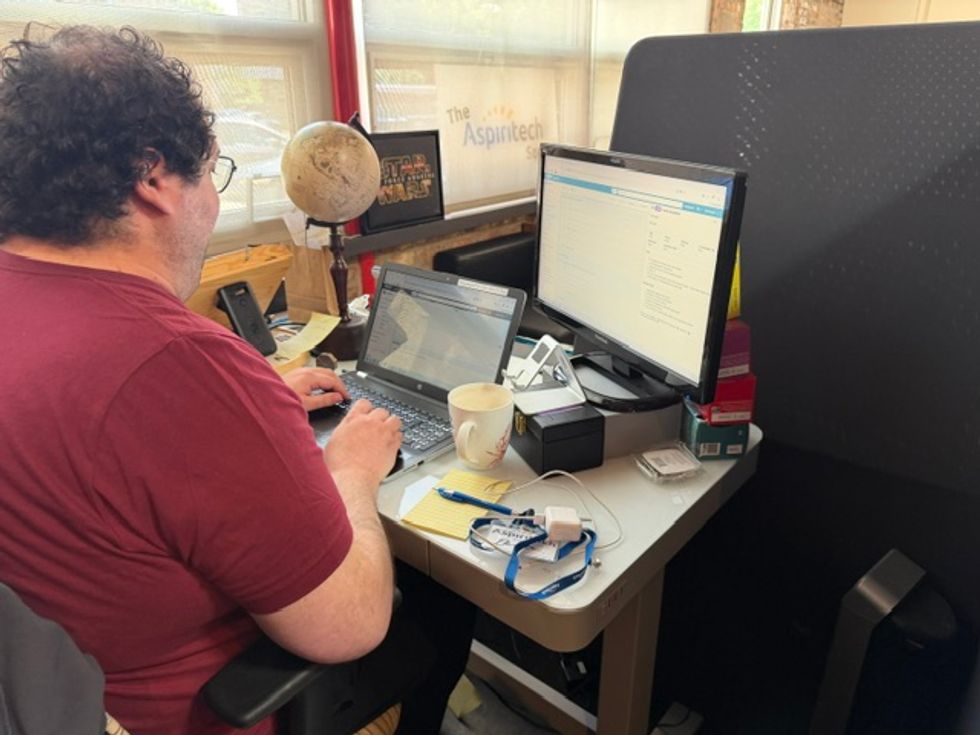
Dan Auerbach, 36, works on computer software at Aspiritech
Lisa Fielding/WBBM Newsradio
Julie Opalinski is a quality assurance analyst and intake coordinator for the Aspiritech Academy. She says she went through high school and college undiagnosed. She says she always knew she was different but no one ever thought of Autism as a legitimate issue especially for girls.
"Doctors knew I was displaying autistic symptoms when I was little but back then in rural Wisconsin they only called it a behavioral issue. It never entered their minds that I could be autistic because back then Autism was looked as little white boy syndrome and you were supposed to be non verbal and rocking in the corner," she said.
Opalinski says she didn't fit the mold and wasn't officially diagnosed until she was 25.
"I am outgoing, well spoken, they said, 'you like to read and hang out with people, you like to go on trips, that's not what Autistic people do', so no one could figure out why I was different. I'm still not good at social nuisance or complexities and it feels like everyone around me has been given a script and I'm the only one not with a script, flailing around trying to catch up," she said. "When I was diagnosed, it gave me piece of mind and validation and closure and made things better in so many ways."
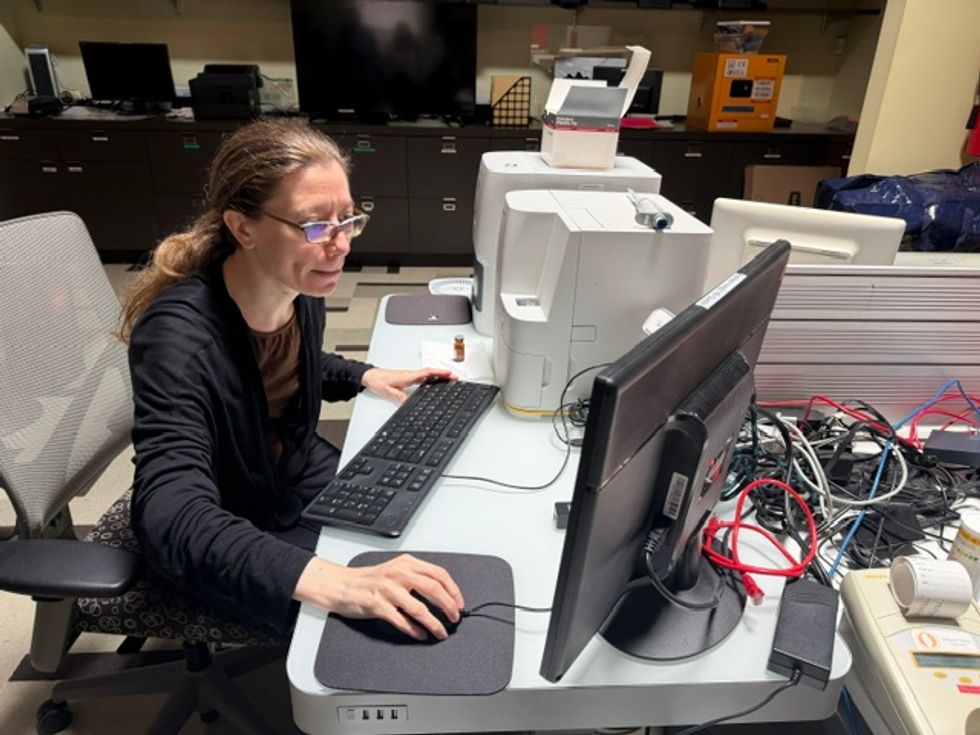
Julie Opalinski, works at a computer inside Aspiritech
Lisa Fielding/WBBM Newsradio
Alex Dudasik, 36, is also on the spectrum.
He says he is high functioning and was diagnosed in 7th grade with what was called Asperger's Syndrome. He says he had fine motor skill challenges, anxiety and extra socialization issues.
"Autism is usually considered in extremes. People have misconceptions and that all of us are very quiet and introverted. You either don't talk at all or-I'm on the never stop talking end of that if you couldn't tell," he laughed.
After he graduated from Harper College, he also experienced difficulties in the job application and interviewing process.
"I've worked on and off at Aspiritech since I was 22. I felt that my disability limited me from opportunities. I specialize in graphic design. I'm creative and I'm also good at being organized. I do all the social programming." he smiled.
"Places like this are so important. Will places put in special accommodations for people with disabilities ? Not always. Neurodivergent people can actually be an asset to companies. I hope more companies will be willing to be working with people like us." he said.
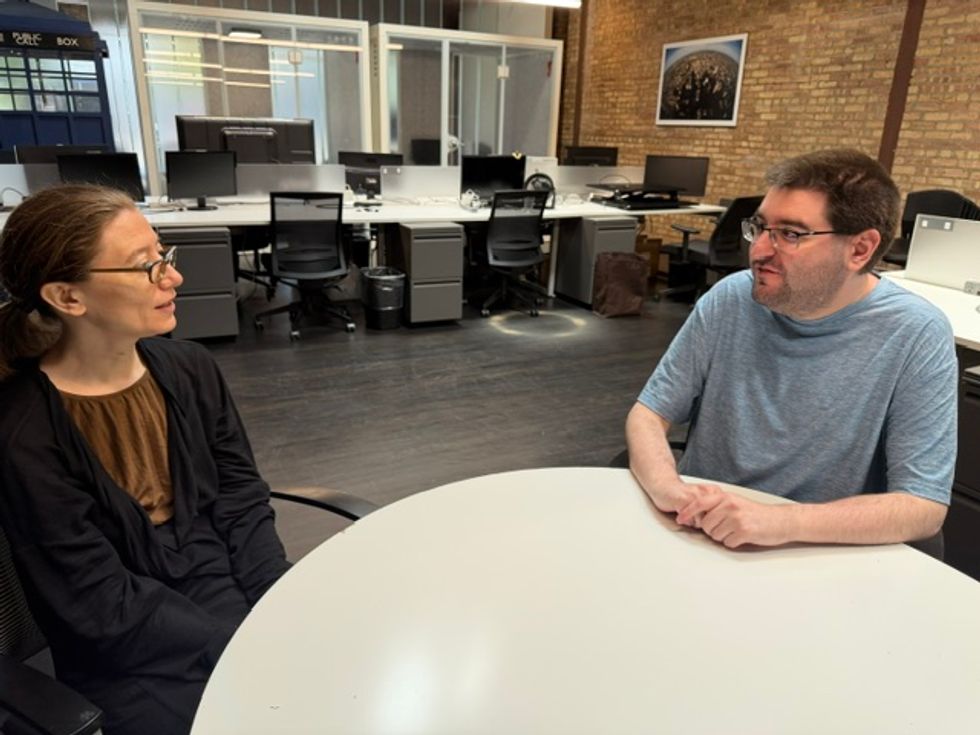
Julie Opanlinski, Alex Dudasik, employees at Aspiritech
Lisa Fielding/WBBM Newsradio
Aspiritech employee 120 adults and they have a waiting list, making it one of the largest employers of people with autism in North America.
Bogdon says for many, it's a workplace that changes lives.
"I hear from so many people how we've saved their life. Work isn't just a way to make a living but it also gives you a sense of purpose and community. Those are the things that really contribute to a sense of belonging and a place where you can be yourself." she said.
Bogdon says Apsiritech's mission continues to reflect what the founders hoped it always would be back 18 years ago.
"They really envisioned this as an organization where autistic individuals could find meaningful work but the legacy was building an organization, a tech company, that was built and lead by and for autistic adults and that legacy lives on in very surprising ways," she said.
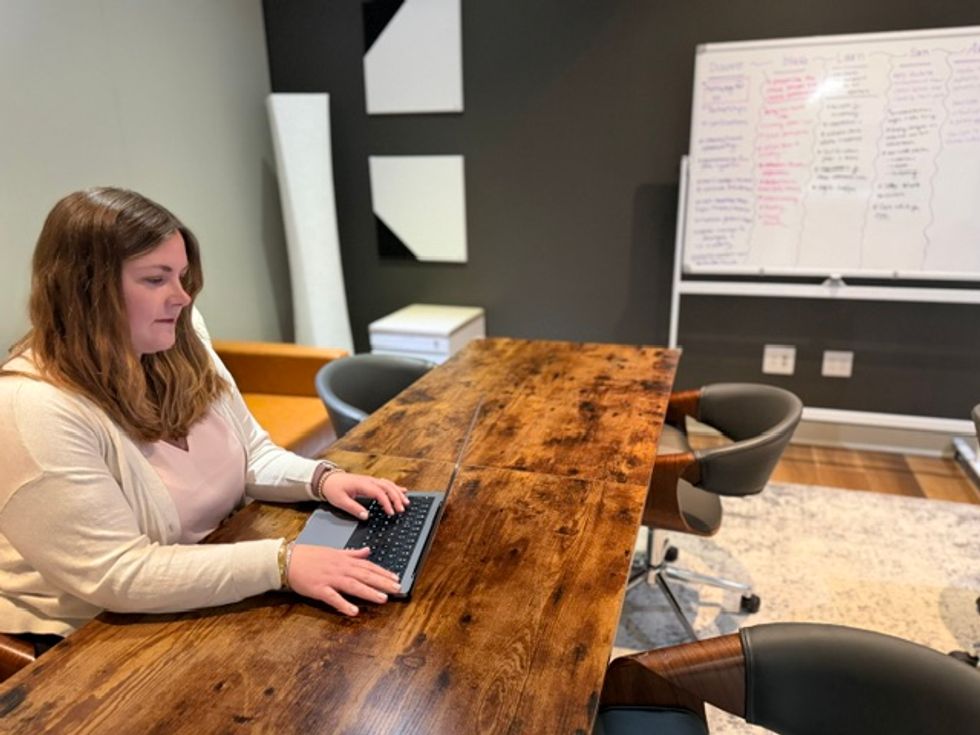
Kayley Bogdon, Chief Growth Officer, Aspiritech
Lisa Fielding/WBBM Newsradio
Opalinski says working at Aspiritech has helped her realize she isn't alone.
"It's a job right in my wheelhouse because it plays to all my skill sets, my conscienceness, my meticulousness, my verbosity and I get to interact from other people from similar walks of life and mindsets. We are different but we all interact that is mutually respectful. There's this courtesy and accommodating nature that I see in this workplace that I haven't seen in other places I've worked." said Opalinski.
"I find the workplace there so accommodating to who I am. It's nice to not have to worry about saying or doing something wrong or needing a non sensory room or whatever we may need to thrive." said Dudasik.
The unemployment rate for adults with autism is as high as 83%, and nearly half of 25-year-olds with autism have never held a paying job. Aspiritech is changing that on a daily basis.
"One of the things we try really hard to do here is to show the world that autistic people are capable of anything, given the right support." smiled Bogdon.
For more information, click here.
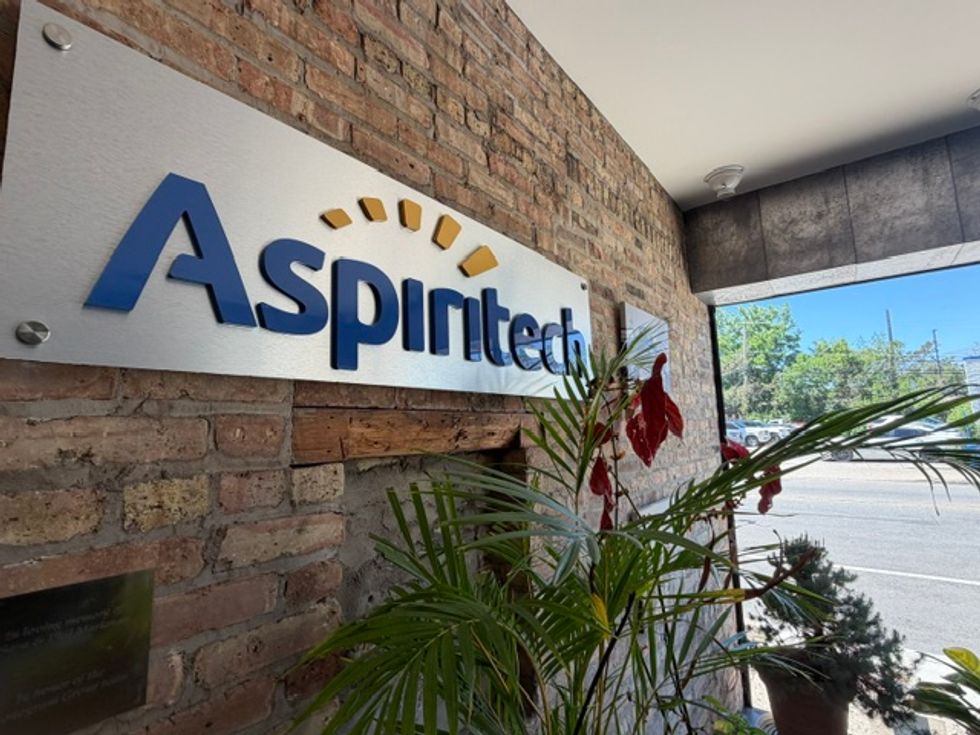
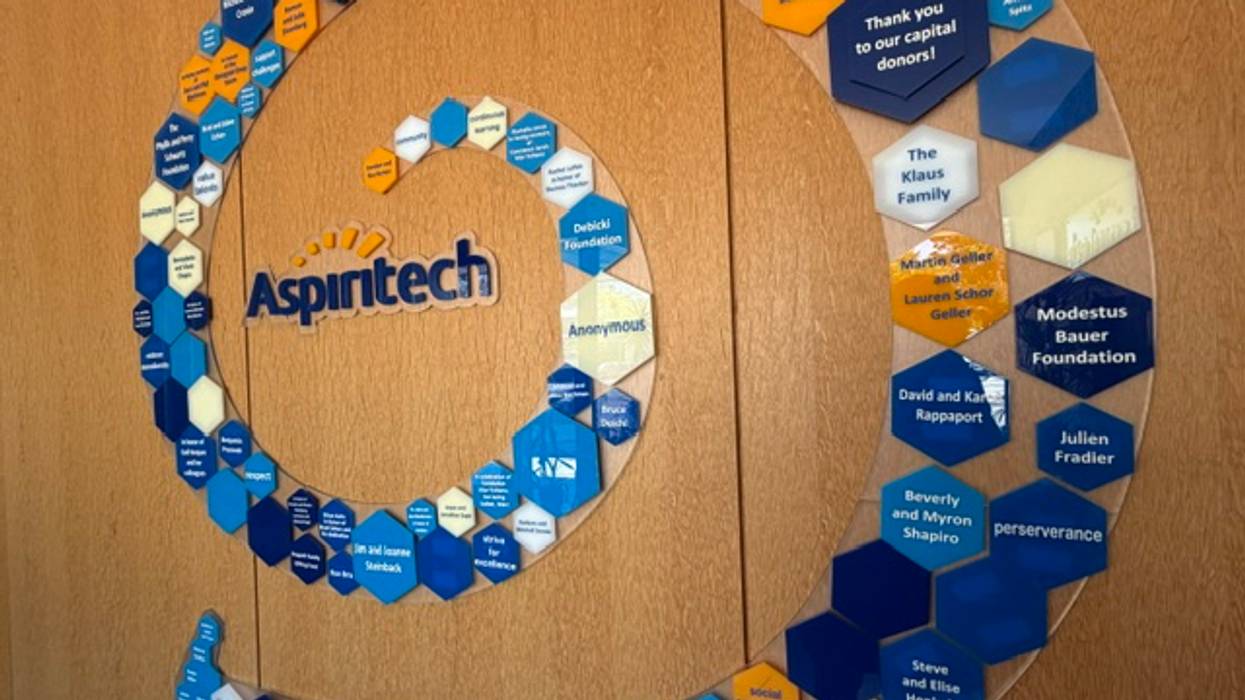
The lobby of Aspiritech in Evanston
Lisa Fielding/WBBM Newsradio