


ShotSpotter, the gunshot detection system, was removed from Chicago in September 2024, after Mayor Brandon Johnson decided not to renew the contract.
The city has yet to find a replacement.
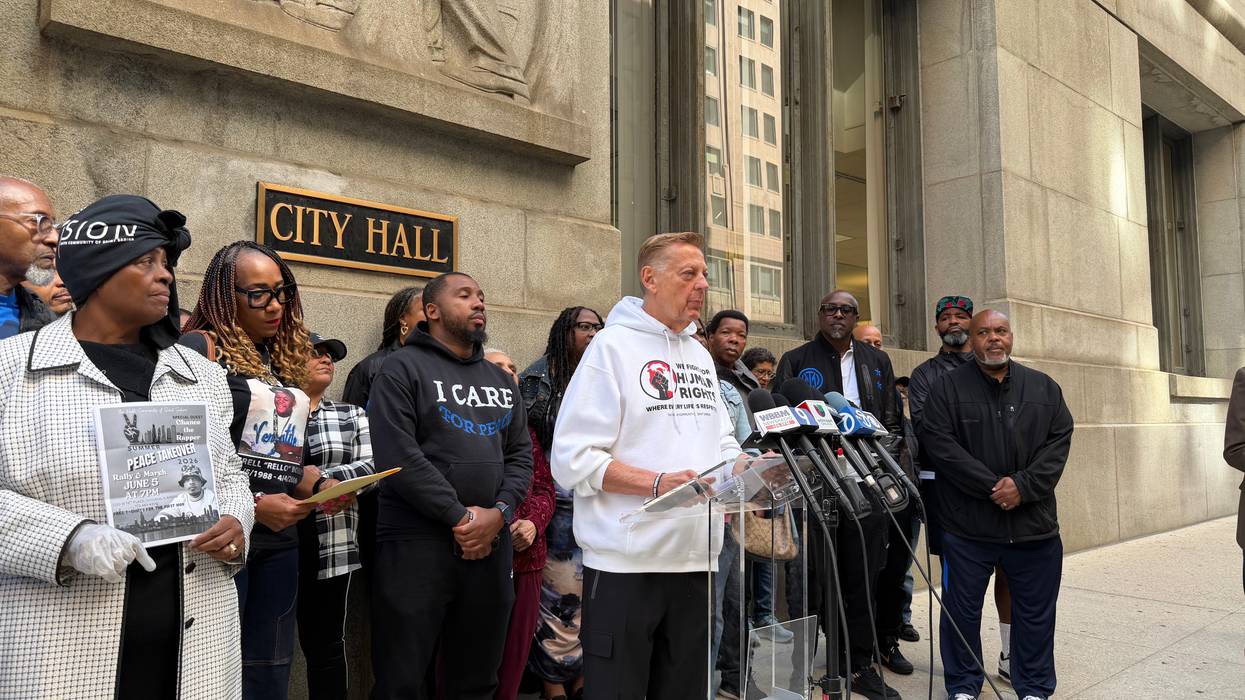
"Two years ago, we were told by the city when they were removing ShotSpotter that they were going to find a better system to put in place," said St. Sabina's Father Michael Pfleger. "Two years later, nothing has happened, and nothing is on the horizon."
He said technology like ShotSpotter is critical in the moments immediately after someone is shot, and without it, solving crimes is more difficult.
"Over the last two years there's been a number of bodies that have been found, victims shot who have laid on the street and nobody knows how long they've been there," Pfleger said. "So, the painful thing for families is, had somebody gotten there earlier, could that life have been saved?"
He said calling 911 is not always sufficient during a shooting because Chicago Police ask for specific details about the location of the shooting when the caller might not know those details.
"I, for one, do not call 911 anymore when I hear gunshots because I've called, and they say to me, 'Well, where is it?' So, unless you see it, where it's exactly happening, I can't tell them," he said.
ShotSpotter uses a network of sensors that can detect, locate and alert police to gunshot incidents. Its goal is to improve response times to crime scenes to better help victims and find witnesses.
"This is a tool that can help us to get to people immediately," Pfleger said. "This is a tool that can save lives. Let's use every tool we can in the toolbox to save lives in the city of Chicago."
Pfleger was one of several advocates rallying outside City Hall Wednesday morning ahead of a ShotSpotter hearing.
Pam Bosley is the co-founder and executive director of support and advocacy group Purpose Over Pain. Her 18 year old son Terrell was shot and killed in April of 2006. She said his case remains unsolved and that reinstating some sort of gun detection technology could help police solve other shootings and bring some solace to families.
"For survivors, it represented one more tool that can help police respond faster, gather evidence and potentially solve our unsolved cases," she said.
She said she has the same questions now as she did two years ago when the city ended its contract with ShotSpotter.
"What would you replace it with? What new investments do you have? What new technology?" she said. "We're asking for solutions, we're asking for accountability, we're asking for these cases to be solved. We're asking to prevent gun violence, we're asking for you to respond to our gun violence and to help solve our murder cases."
Youth pastor Lamar Johnson said he doesn't know why this issue has even become a debate and that there should not be a question about whether or not the city should invest in more resources that improve public safety.
"This should be a foundational tool that we use, considering the times we live in, in 2026," he said. "There's no reason why there should not be technology in our city to help solve crime and deal with public safety."
Johnson compared the issue to other technology the city has implemented to improve safety.
"We have cameras and technology for red light cameras. We have it for school zone cameras. We have it for speed zone cameras, where people in our city get tickets every day in the mail," he said. "It must be some type of coincidence that one form of technology is making money, while this technology will cost money."
The rally at City Hall came about a week after Johnson referenced a University of Chicago study that claimed that CPD had actually responded four times faster to the city's most serous 911 calls in some neighborhoods after ending the ShotSpotter contract.
He highlighted the study again at a separate, unrelated event Wednesday.
"In every single neighborhood where that junk technology existed, violence has gone down and there has been a faster response from law enforcement," he said. "The bottom line is this, the procurement process is ongoing, but what I'm not going to do, as mayor of Chicago, I'm not going to sell a bill of goods so that it can enrich the interests of corporations."
He said the city never stopped looking for a replacement to ShotSpotter and that he's gone through a "very thorough vetting process."
"And here's why I'm incredibly thorough, two administrations ago did not go through a comprehensive process like I'm going through. And what did we get? Junk. It was an ineffective tool," the Mayor said.