


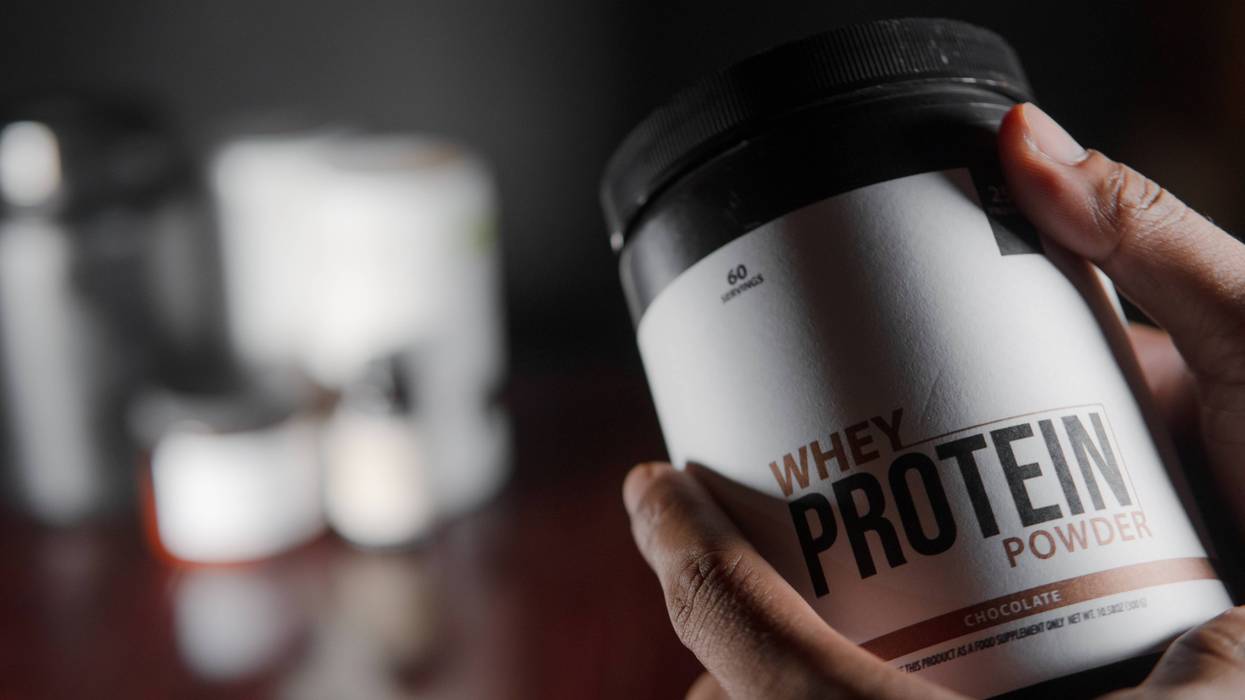

From creatine to protein powder, performance boosting and recovery supplements are growing in popularity among teen athletes.
"I think there's a big trend around kind of bolstering foods with protein. I'm not sure if that is really necessary for the grand majority of people," said Katie Knappenberger, program director of performance nutrition at Northwestern Medicine. "I think another trend is energy drinks, different varieties of energy drinks."
She said if the supplement looks too good to be true, it probably is.
"Examples of that might be fat burners or testosterone-like supplements or detox products," she said. "If anything sounds magical or too good to be true or a really quick fix, I think that that's where our radars should kind of go up."
She said she advises teens to research supplements or speak with a dietician before using them. This can be done by looking at third-party testing agencies, such as NSF Certified for Sport.
When doing research, Knappenberger said there are a few questions families should ask: Is it safe? Is it legal? And does it work?
"We want to make sure that we're supplementing to the individual and the problem that they have," she said. "We want to make sure it's safe by checking for third-party testing and any food medication interactions. It's always good practice to check if it's legal, and then finally, is the supplement effective?"
She said this is important because some supplements could pose some serious health risks.
"The spectrum of maybe not sensing a lot of physical damage, but just losing a lot of money and not getting a lot of benefit from it, all the way to organ systems failures and different things like that. So, it is really important to approach some of this stuff with care," she said.