


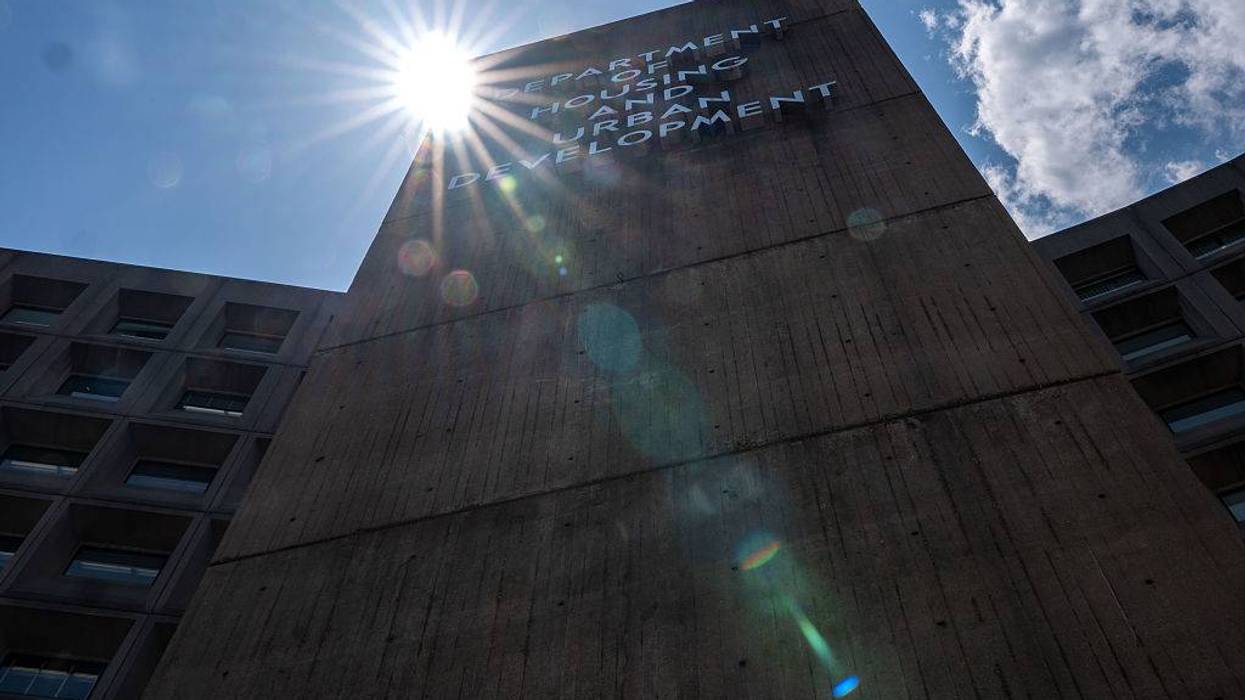

The U.S. Department of Housing and Urban Development is moving to roll back a federal rule that currently gives tenants in federally assisted housing at least 30 days’ notice before eviction for unpaid rent, a change that could affect thousands of households across the Chicago area.
The proposal would rescind a 2024 regulation requiring public housing agencies and HUD-funded landlords to give tenants at least 30 days’ notice before eviction for unpaid rent, effectively providing a window to catch up on overdue payments. If finalized, eviction timelines would instead default to state and local laws, which can be significantly shorter.
The Chicago Housing Authority provides housing assistance to more than 63,000 households, representing over 133,000 residents, according to agency data. Nearly all of its funding, about 98 percent, comes from HUD. Across Cook County, roughly 224,000 residents live in subsidized housing, according to Illinois Answers Project and regional housing data. In suburban counties including DuPage, Kane, and Will, tens of thousands of households also rely on housing vouchers, based on regional estimates.
Advocates say shorter eviction timelines could make it harder for tenants to stabilize finances, apply for emergency rental assistance, or negotiate payment plans, especially in a high-cost region where many households already struggle to keep up with rent. Groups including the Illinois Council on Developmental Disabilities warn the change could disproportionately affect people with disabilities, older adults, and low-income families who rely on stable housing to maintain jobs, access care, and remain connected to support services. Housing industry groups, including the National Apartment Association, have praised the move, arguing that extended notice periods can strain property owners and delay needed rent collection.
HUD is accepting public comments on the proposed rule through April 27, 2026, at 10:59 p.m. Central Standard Time. To submit a comment:
- Go to regulations.gov
- Search for the HUD proposed rule on eviction notice requirements: HUD-2026-0265-0001
- Click “Comment” on upper left
Rule change could shorten time tenants have to catch up on rent
Rule change could shorten time tenants have to catch up on rent