


SPRINGFIELD — Two years after the overturning of Roe v. Wade, a mother of two found herself in an agonizing position.
Abbey Hall and her husband were excited to welcome a baby girl into their family in Carmel, Indiana, but discovered, 16-weeks into her pregnancy, a defect that would make their daughter's life unviable, with lifelong and potentially fatal health conditions. But the state that she calls home has a near-total abortion ban.
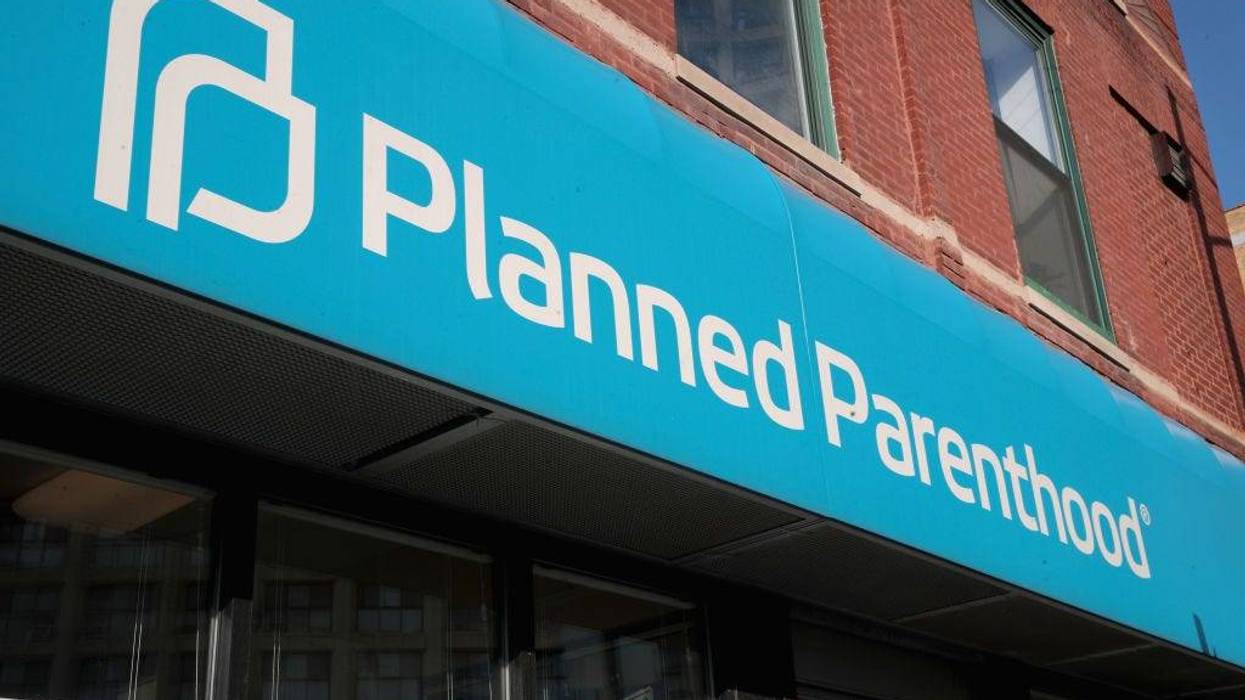
To receive the care she needed, Hall had to travel to a Planned Parenthood clinic in Illinois. She is one of 35,000 people who were forced to travel to Illinois to find care out-of-state in 2024.
"I felt dehumanized; I felt like a criminal," Hall told the Indiana Capital Chronicle. "I would make the same decision 100 times out of 100."
As Illinois marked National Abortion Provider Appreciation Day on Tuesday, states around the country and Republicans in the General Assembly persistently push for bills restricting abortion access. Abortion was a controversial issue long before Roe v. Wade was overturned in 2022, but now, four years later, patients and providers have been met with a new wave of obstacles.
National Abortion Provider Appreciation Day commemorates Dr. David Gunn, who was murdered by an anti-abortion white supremacist in 1993 in Pensacola, Florida. Established in 1996, the day recognizes those who provide care, despite facing violence and threats.
Barriers to abortion care
When seeking an abortion, hindrances to care range from state restrictions to logistical challenges, including child care and travel expenses. Since the overturning of Roe v. Wade, 13 states have implemented a near-total abortion ban, three in the Midwest.
This has forced thousands of patients, like Hall, to seek care in states that protect abortion access. In 2024, nearly a quarter of all out-of-state abortions took place in Illinois, according to the Guttmacher Institute. These numbers have since declined, likely due to shield laws that allow clinicians to prescribe and mail abortion pills directly to patients and to logistical and financial barriers.
In 2025, Gov. JB Pritzker implemented a shield law that protects all Illinois health care workers from being prosecuted in Illinois or other states for performing abortions, even if abortions are illegal in other states.
Nonprofit organizations like the Midwest Access Coalition work to bridge those logistical and financial barriers by covering travel expenses, including flights and hotels, the cost of medical care and child care.
"There are just a million and one things that stop people from accessing care, and that's been the anti-choice movement's goal for the past 50 years," said Alison Dreith, director of strategic partnerships at the Midwest Access Coalition.
The Midwest Access Coalition has also helped supply some independent clinics with physical lock boxes that hold cash for clinics to give to patients to cover immediate costs.
"Some people don't have Cash App or Venmo, and oftentimes those apps charge fees to access that money right away, and people can't wait overnight to get the gas money to get back home or to pay their babysitter to pick up their kids," Dreith said.
While state restrictions pose the biggest obstacle, Illinois residents can still face similar logistical and financial barriers, for example, if they have to drive an hour or two to a clinic to receive care.
"Not having abortion care as just a part of general gynecological or family practice medicine is such a disservice to us," Dreith said. "It's such simple care."
Even something like anesthesia, which can be used in abortion procedures, may require an adult escort to ensure the patient gets home safely. A program called the Complex Abortion Regional Line for Access, or CARLA, helps coordinate trained volunteers to provide that required assistance. The program was launched in response to the overturning of Roe v. Wade, to coordinate care for people who need it.
"This is why I became a nurse, to be able to provide care for folks who need it," said Catherine Degen, a CARLA nurse coordinator at Rush Hospital in Chicago.
Republican pushback
While there are efforts to protect and expand abortion access in Illinois, some state lawmakers are pushing for increased restrictions.
"(Planned Parenthood) will pay for an overnight or whatever, and they pay for the transportation home unless the woman changes her mind," State Sen. Terri Bryant, R-Murphysboro, claimed. "So if she gets here and changes her mind, she gets no help getting home, right?"
Bryant, who is one of multiple state representatives who oppose the work of organizations like the Midwest Access Coalition, has sponsored multiple bills, such as the Ultrasound Opportunity Act, which opponents claim is aimed at deterring abortions. The bill calls for providers to "offer any woman seeking an abortion after eight weeks of gestation an opportunity to receive and view an active ultrasound of her unborn child by someone qualified to perform ultrasounds."
Dreith says Bryant's claims are common but untrue. Whether a patient chooses to get an abortion or not, the Midwest Access Coalition supports them every step of the way.
After Dreith drove a client from jail to an abortion clinic, the patient changed her mind, and Dreith drove her back.
"We are not disobeying the law. We're not paying anyone to have an abortion," Dreith said. "We're just a part of this community care network that puts people above profits."
State efforts to expand access
In addition to organizations like the Midwest Access Coalition, there are multiple funds to help ensure that Illinois access not only remains protected but sufficiently funded and supported.
In January, the Prairie State Access Fund was launched, creating a $5 million, public-private partnership between Michael Reese Health Trust and the state of Illinois to support reproductive and sexual health providers. It also provides rapid-response funding to ensure clinics are staffed for both Illinoisans and out-of-state patients.
The Chicago Abortion Fund is the nation's largest abortion fund, receiving financial support from philanthropy, grassroots donors and the city, county and state. Its goal is stated as making the process of getting an abortion more dignified and compassionate by covering costs, as they consider their work as harm reduction.
"Illinois providers and CAF are playing an outsized role in the national abortion landscape, and sustaining that role requires flexible, additive support," said Megan Jeyifo, executive director of the Chicago Abortion Fund, in a press release. "The Prairie State Access Fund strengthens a constellation of care that has been meeting this moment for years and reinforces the networks patients rely on to access abortion with dignity and compassion."
Still, new challenges continue to appear for health care providers and supporting organizations. In addition to Bryant's bills, which she proposes every year. Sen. Neil Anderson, R-Andalusia, recently introduced a new bill that would classify abortion as homicide. The bill is widely unsupported, even among Republican lawmakers.
Read more: Illinois Republican senator pushes to outlaw abortion, loses leadership spots
Despite Republican pushback, advocates and providers maintain the need for abortion access both in Illinois and across the country. Programs like the CARLA program do this by ensuring that patients—regardless of residency—receive the care they need.
"My hope would be that something like the CARLA program could expand to other places because I think it would be incredibly helpful for us to exist in other parts of the country," Degen said. "We're so happy to be here in Illinois, but it's needed everywhere."
Sam Freeman and Olivia Artito are graduate students in journalism with Northwestern University's Medill School of Journalism, Media, Integrated Marketing Communications, and fellows in its Medill Illinois News Bureau working in partnership with Capitol News Illinois.
Capitol News Illinois is a nonprofit, nonpartisan news service that distributes state government coverage to hundreds of news outlets statewide. It is funded primarily by the Illinois Press Foundation and the Robert R. McCormick Foundation.