


CHICAGO (WBBM Newsradio) – What one McHenry woman thought were lingering postpartum symptoms turned out to be signs of a rare brain tumor that was preventing her from becoming pregnant.
After the birth of her first daughter in 2022, Lisa Fasone began experiencing symptoms she initially attributed to motherhood and nursing. Her menstrual cycle never returned, she continued lactating after she stopped breastfeeding, and she dealt with headaches, night sweats, fatigue and infertility while trying to conceive a second child.
"It was kind of a unique time that I developed this condition, because a lot of the symptoms that I developed are consistent with postpartum period and nursing," Fasone said. "And so I didn't really realize that there was a problem until that process was completed."
As the symptoms persisted, Fasone's medical team ordered additional testing. Doctors eventually discovered a small tumor on her pituitary gland, known as a prolactinoma.
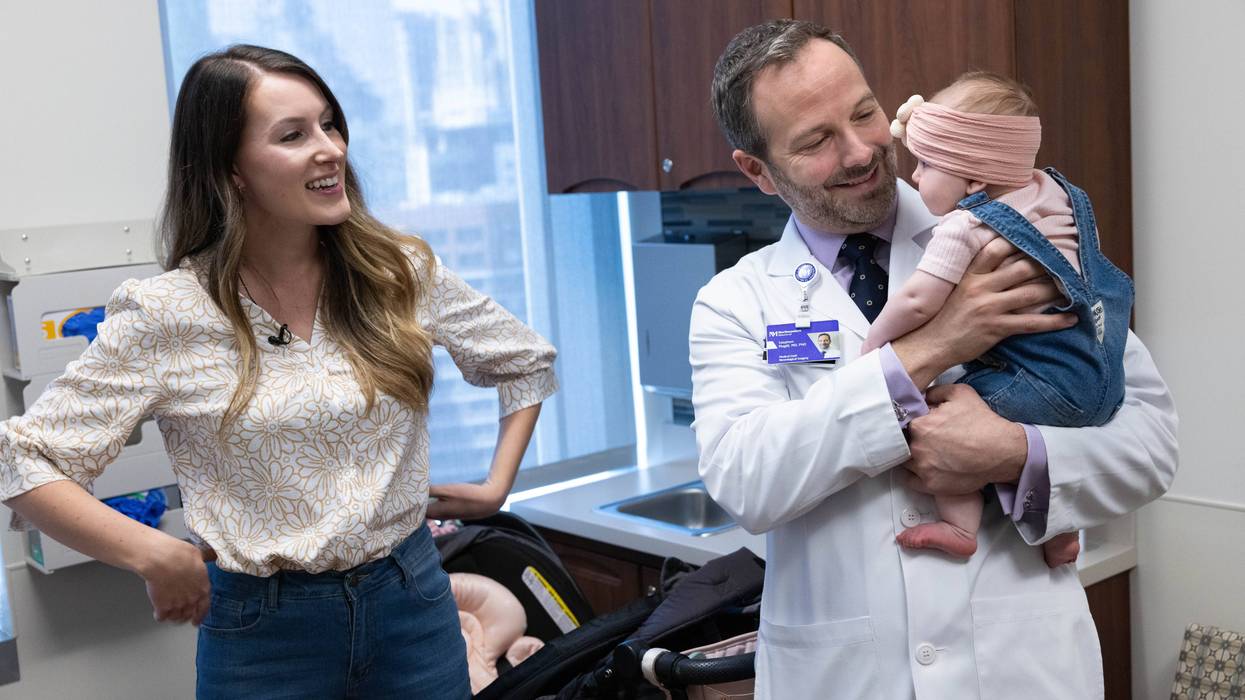
"In Lisa's case, her tumor was secreting prolactin, which is a hormone that makes breast milk," said Dr. Stephen Magill, a Northwestern Medicine neurosurgeon. "If that is high, it keeps you from becoming pregnant."
Doctors first attempted to manage the condition with medication, but Fasone said the treatment eventually stopped working. She ultimately opted for surgery.
On April 14, 2025, Magill and a surgical team removed the tumor. Follow-up bloodwork showed elevated prolactin levels again, causing Fasone to worry the tumor had returned.
"I was like, 'Oh my gosh, here we go. Same problem. He didn't get all the tumor. We're back at square one,'" Fasone recalled. "But it turns out that my prolactin levels were elevated because I was actually pregnant."
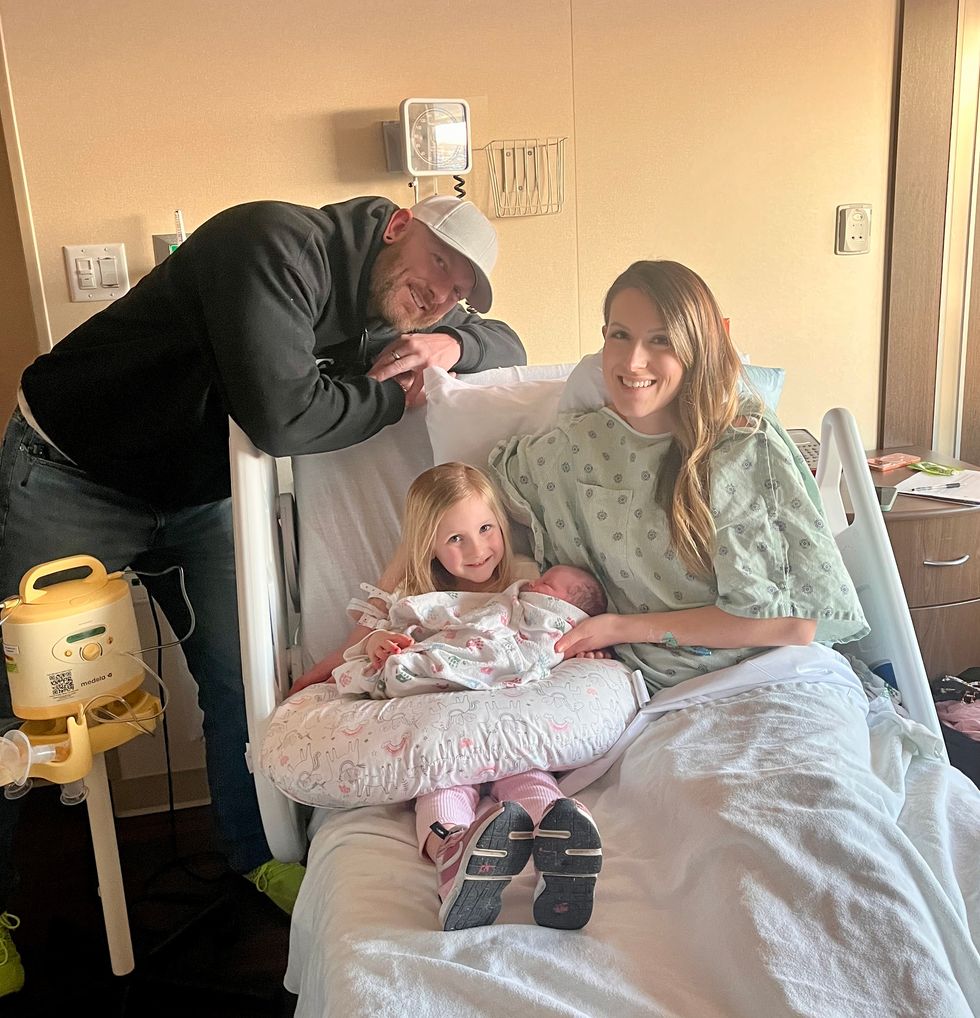
Lisa Fasone and her family
Northwestern Medicine
Fasone gave birth to her second daughter, Natalie, in February. She continues to receive periodic imaging to ensure the tumor has not returned.
Now, during World Infertility Awareness Month, Fasone hopes her experience encourages others to seek answers when something feels wrong.
"I think that infertility looks very different for different women," she said. "You think of the traditional infertility – women not being able to get pregnant. You think of IVF and other things like that, but you forget that there's other types of infertility too."