


Before it reached global festivals, chart-topping artists and Grammy recognition, house music was born in Chicago's underground clubs, where DJs experimented with new sounds that would reshape music worldwide.
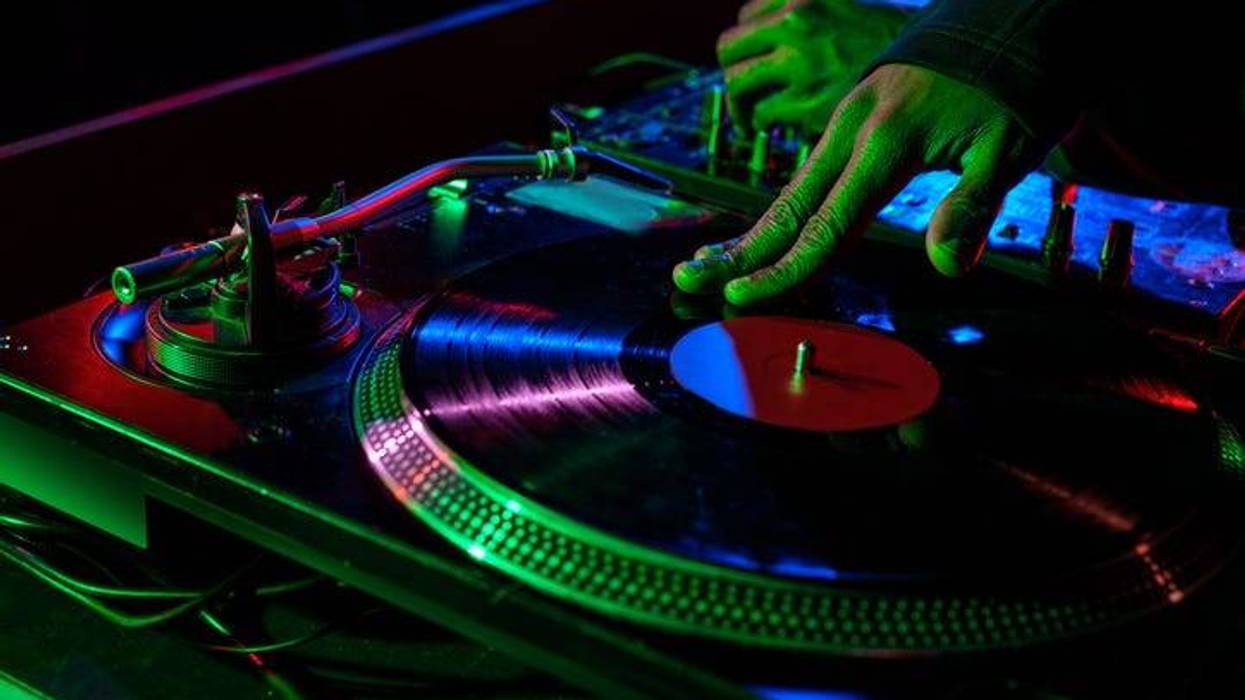
In the late 1970s and early 1980s, venues like The Warehouse and The Music Box became laboratories for innovation. At The Warehouse, DJ Frankie Knuckles blended disco, soul and gospel, extending records and layering beats to create something entirely new. Across town, DJ Ron Hardy pushed boundaries even further, introducing darker rhythms, drum machines and hypnotic loops.
House music pioneer Steve "Silk" Hurley said those early moments were driven by creativity, not expectations of global influence.
Artists including Jesse Saunders, Marshall Jefferson and Larry Heard helped move the sound beyond club walls, producing records that defined the genre and carried Chicago's influence across the world.
Today, Chicago house music remains one of the city's most influential cultural exports, shaping electronic dance music, pop and club culture globally while maintaining its roots in Chicago's creative underground.