


BUFFALO, N.Y. (WBEN) - A 17 year slumber for trillions of cicadas is about to come to an end.
"They come out like clockwork. They live underground and then 13 or 17 years later they emerge and go through their life cycle," said director of museum programs and experiences for the Buffalo Museum of Science, Sarajane Gomlak-Green.
Periodical cicadas are on a 17 year timer. There are also annual cicadas which come out every year.
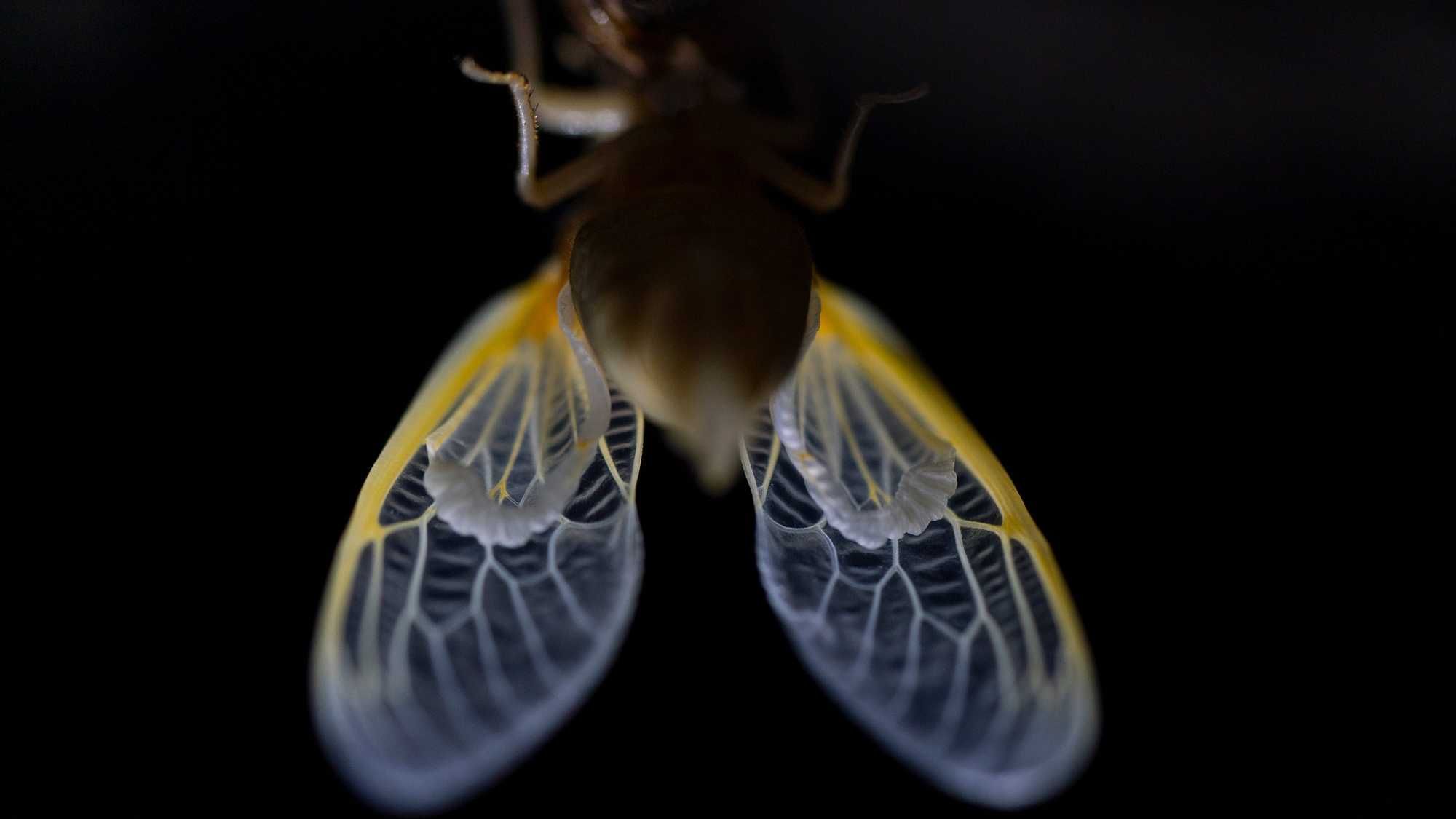
It remains to be seen if the 17 year cicadas will emerge in Western New York. "They used to be in our area," said Gomlak-Green. "Their range has been compressing. They're more likely to be seen in the mid-Atlantic region, central Pennsylvania, D.C., Philadelphia and Baltimore. The range used to be from New York State to Georgia but has shifted over the years.
Could there be some impact in Western New York? "It's entirely possible" said Gomlak-Green, but added that it's highly unlikely. "What's happening this year is based off of what's happened the previous time, so admittedly, there is a lot of guessing."
There is one criteria to determine when cicadas will emerge. "When the soil temperature reaches 64 degrees, that's when they start to emerge." That's expected sometime this month.
Get your ears ready. It could be a loud Summer. Arrival of the cicadas is marked by their signature sound; a loud chirp, which is how they attract mates. "Cicadas have something called tymbals which are membranes that vibrate very quickly when pulled by tiny muscles. It sounds like maracas, honestly," said Gomlak-Green. Cicada chirps can reach 90 decibels, which is as loud as a lawn mower.
Once they come out of the ground, they metamorphose into their adult phase, they mate and then die en masse. "They're basically here to create the next group of cicadas that will spend the next 17 years underground."
What is the role cicadas play in the ecosystem? "They're a really good food source for other predators and organisms that live underground," said Gomlak-Green.
Once they complete their life cycle, they leave their exoskeletons behind. "People will be finding them in areas where broods emerge. Some people describe the sound as similar to the sound while walking through leaves in the Fall. "A crunching sound from the skeletons," said Gomlak-Green.
You'll find more information about cicadas in an exhibit called "Bug Works" at the Buffalo Museum of Science.


