


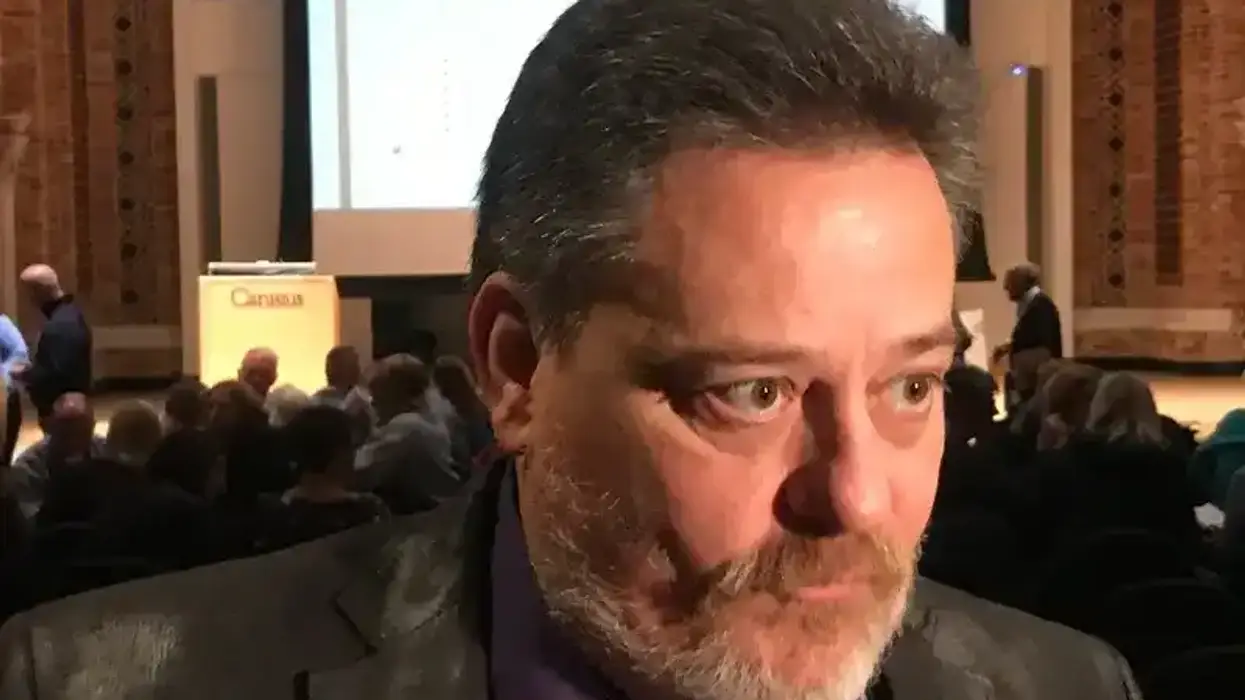

Buffalo, NY (WBEN) Abuse survivor Michael Whalen says he's pleased with the Buffalo Catholic Diocese's settlement with the attorney general's office over the handling of clergy abuse allegations. Another survivor says more should have been included the settlement.
Survivor Michael Whalen says it's a start. "What this means is now to me, it's some kind of policing. Instead of them in-house policing, they have an outside entity policing them, which is all means a lot to survivors," says Whalen. He notes the diocese would cover things up. He says an independent audit each year to check on compliance keeps the diocese in check.
Whalen says this is a long time coming. "Just with them, investigating it and getting involved, that was a big step in the healing process for me, because someone's listening," explains Whalen. He does note he would like to see the audit period become permanent rather than just five years.
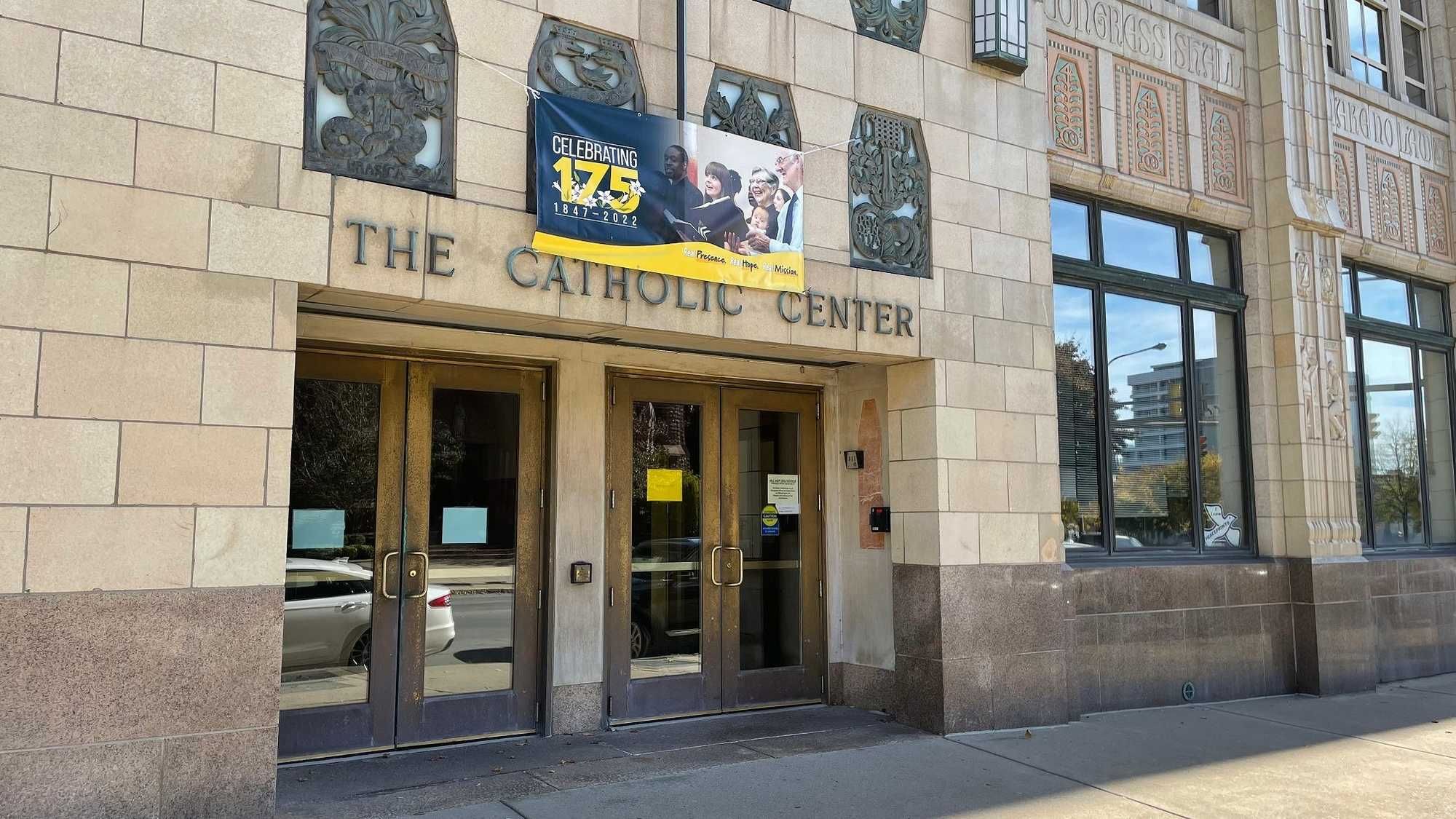
Whalen is also relieved former Bishop Richard Malone and Auxiliary Bishop Edward Grosz are no longer allowed to do anything here in New York State. "Hopefully they can just retire and fade away," adds Whalen.
James Faluszczak, another survivor of priest abuse, says the settlement sets a low bar. "While giving retired bishops who engaged in coverup a slap on the wrist, NY AG Letitia James leaves multiple questionable fiduciary overseers in position as heads of parishes, in active ministry, in control of charitable donations, and able to publicly represent the Church," says Faluszczak.
Faluszczak says he expected much more in terms of history and revelations. "In the original filing two years ago, 25 priests were listed by the Attorney General, as showing the mechanisms of cover up, that the diocese and Bishop Malone, in particular had used," says Faluszczak. He adds the late Bishop Donald Trautman maintained a conspiracy across state lines in to Pennsylvania. He says that is something victims are entitled to know about.
Faluszczak says he's concerned about priests who are pastors in this diocese who still are fiduciary managers. "If that was the attorney general's criteria, why didn't we get information on on those people who have been alleged, through the bankruptcy, that remain in ministry and taking in charitable donations from the faithful?" ponders Faluszczak.
Faluszczak says he's not surprised, saying he's used to disappointment.


