

TORONTO, CA. (WBEN) Canada's capital and Parliament are no stranger to large protests. But the current occupation of truckers in Ottawa is unprecedented. Downtown, an area known as "The Hill," has been paralyzed, with vehicles and tents blocking roads since January 28.
"It's now a national crisis," said Joe Warmington, columnist with The Toronto Sun. He joined Susan Rose and Brian Mazurkowski Monday morning on WBEN. "I've never seen it before where the capital is basically occupied." Adding, "it's a big deal."
The mayor of Ottawa declared a state of emergency over the weekend,
with demonstrators outnumbering police.
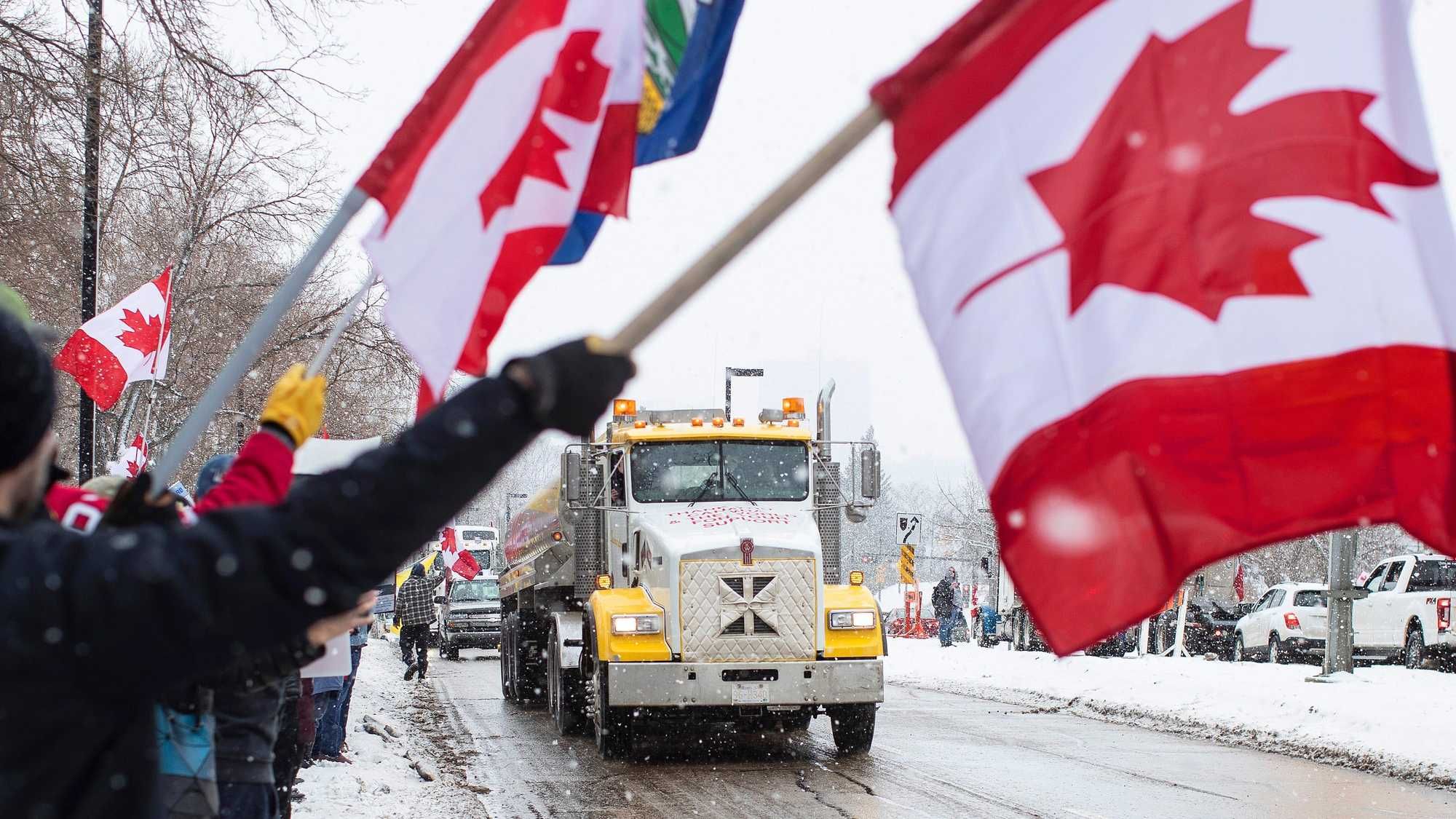
It's also known as the "Freedom Convoy." It was sparked by a new rule last month that all truckers must be vaccinated to cross the US-Canada border, but the protests have morphed into broader challenges to Covid health restrictions.
"This is really an anti-Trudeau government protest," said Warmington. "He [Prime Minister Justin Trudeau] is the one who lit the match to get this going. And now he's no where near it."
Several different movements have converged to become a part of it. Vaccine mandates are at the core of it, but Warmington says that's becoming lost in what's become a larger political battle.
What's next?
Warmington says the order declaring a state of emergency allows the government to be able to pay for tow trucks. "I think they're headed toward hauling the trucks out. But it's a big job. It takes about 30 minutes just to hook a truck up." He gets the sense that police are going to aggressively go in and deal with this.
At the same time, Warmington thinks as trucks are being hauled out, more will come in. "It's just not something you can predict," he added.
Essentially, this is a standoff. Warmington said what's needed is a
negotiator or mediator. But he adds, the political players don't want that.
"You've got Prime Minister Trudeau who is very much invested in the vaccine, as a big part of this."
At the end of the day, Warmington thinks there will have to be a negotiated deal to get the trucks to leave. "I don't think they can stay for much longer, blowing their horns all night, etc."