

Buffalo, NY (WBEN) Late December would normally be the heart of bustling youth hockey seasons across the Western New York region. But on ice competition has been halted and teams are only practicing on multiple rinks across the region as a result of COVID restrictions.
Erie County leaders say there have been outbreaks in youth hockey programs, but some hockey leadership say that's only happened to coaches. And one area hockey facility that was recently hit with COVID violations is now back in business after being shut down a week and a half ago.
Erie County Health Commissioner Dr. Gale Burstein says outbreaks have been identified among several different teams.
"People who are affected aren't just the athletes. But the coaches and the parents, and the parents of the coaches," says Burstein. She says NY Forward rules prohibit teams from scrimmaging, even for practice or pickup, although practices are allowed.
Erie County Executive Mark Poloncarz identified the cases with the Buffalo Regals and Southtowns Stars, as well as the Clarence Mustangs.
"When you see multiple cases among these organizations, it's concerning because coaches coach multiple teams and parents have children on multiple teams, and there were multiple cases on multiple teams in the Buffalo Regals organization," says Poloncarz.
The Regals are based out of Holiday Twin Rinks in Cheektowaga, which was briefly shutdown after sanitarians spotted a scrimmage.
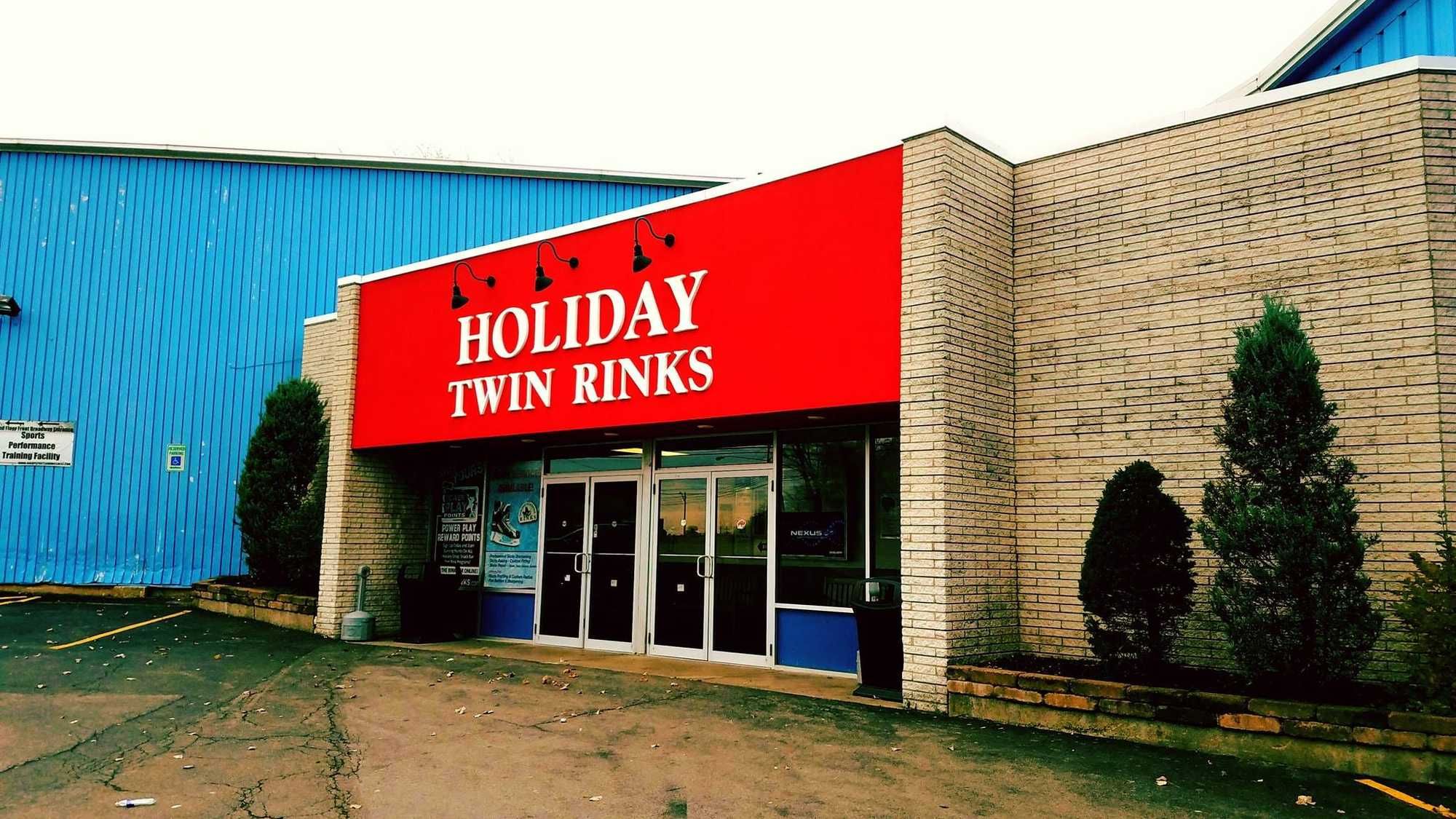
Mark Grunditsch of Holiday Twin Rinks says he only learned about coaches testing positive for COVID19.
"I was made aware by the Regals they had a couple of coaches who tested positive and they were quarantined. Same at Leisure Rinks where a couple of coaches from Southtowns Stars where they were quarantined for two weeks. No cases that we're aware of on children on youth teams," says Grundtisch.
Grundtisch says he wasn't there when the incident in question happened, but he learned a team that picked up a few other kids from another Regals team. "The first hour they were running drills, and then the final portion, they broke into a five on five situation. Not a full scrimmage, but they were playing each other, and we were told by the health department that was not allowed, says Grundtisch. He says he met with the health department and the reopening plan was approved. "The health department was cooperative and easy to work with," notes Grundtisch.
Grundtisch says scrimmaging in hockey is common and a 'gray area' when it comes to being considered a 'game'.
"A lot of times, a team will have game type situations against themselves. They'll have three on two work, power play, offensive and defensive situations. It's a fuzzy area," says Grundtisch. He says hockey by nature is opposing, as one team's trying to score while the other's trying to stop. "We always interpreted a scrimmage as two teams playing against each other, it's more competitive. When a team is practicing, the coach will blow the whistle, he'll set the situation and advise the player what he's doing right or wrong," explains Grundtisch.
Grundtisch says it is confusing but he can't keep an eye on things 24/7. He's sent multiple notifications to customers on the guidelines. "There's no way to prevent it. It's happening at every rink," says Grundtisch.
Eric Haak of WNY Amateur Sports has a strong opinion against the NY Forward guidelines.
"There are way too many rules, and none of them are making sense," says Haak. "They're not allowing hockey games with 15 people on the rink to be played, but I can run a hockey clinic or a camp with 40 kids on the rink, so I don't see any logic at all."
Haak says practices and scrimmages are fundamentally the same. "The only difference is the actual word. To me, it's the same thing. Half the time you practice, you scrimmage," believes Haak.
Haak says he has not heard of any COVID outbreaks among hockey teams. "It's getting to the point where it's getting out of control, and these rules are starting to affect people mentally. For some people, hockey is a mental outlet and I don't know why they would take that away from them. It doesn't make sense," says Haak.
Haak agrees with Grundtisch it's hard to enforce guidelines. "A rink manager has so many tasks and so many things to do. They don't have time to micromanage whether it's a practice or a scrimmage," says Haak. As a coach, he says once he's on the ice, he won't characterize his session as a practice or a scrimmage.
Haak calls the rules overblown and wants the state to let people live their lives again.