



Buffalo, NY (WBEN) New York's hospitals must prepare for an expected surge in coronavirus infections by stockpiling masks and gowns, expanding capacity and identifying retired nurses and doctors who could pitch in, Gov. Andrew Cuomo said Monday.
In raising the red flag about hospitals across the state, Cuomo went further to say, hospitals in Erie County in western New York must stop performing elective surgery as of Friday
Needless to say, the medical community is reacting to the elective surgery halt and the concerns range from specifics to finances.
"We don't know what's going to happen for people who already have procedures scheduled," says Dr. Les Bisson, Chief of Orthopaedics at the UB Jacobs School of Medicine. Clarity is a concern, he says.
"My understanding is everybody's trying to do the right thing, which is saving hospital beds and ICU space for those who need it if the trajectory curve continues to go upward. There's a lot of scheduled procedures that are not necessarily elective, but things that should be done, like colonoscopy, tendon repair and stabilizing joints which have negative effects if left unattended."
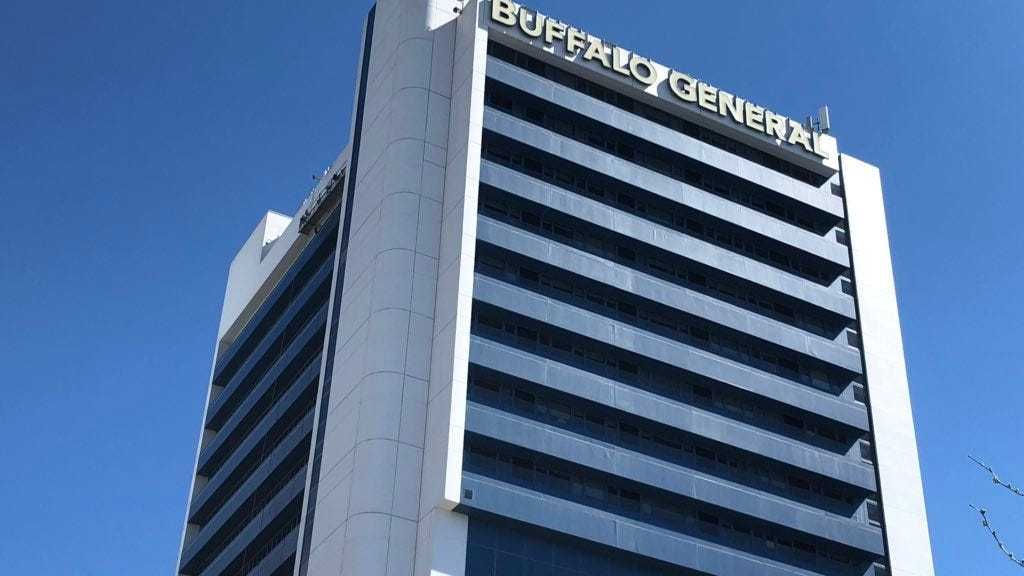
Bisson says he's confident those who have scheduled procedures that are important that they can be moved to a neighboring hospital. "There are different levels of procedures that are time sensitive. I think there will be enough room to care for those patients without moving them to different hospital sites," predicts Bisson.
Financial concerns are on the mind of Dr. James Hereth of Oishei Children's Hospital.
"What we have been doing is trying to organize surge plans so not only we can take of our community, but also take care of those who need elective surgery and bring in revenue," Hereth tells WBEN's Tom Bauerle. "COVID patients don't create revenue surgeries make. That's the bottom line, so the government taking that away makes it difficult."
Hereth says there are upcoming meetings with staff to discuss the next couple of steps. "More than likely, they'll have clear communication with patients who have procedures scheduled to see whether there can be some time where that can be set up," says Hereth.
Kaleida Health issued the following statement Monday:
"Regarding elective surgeries, we have been working since the spring with our physician leaders across the health system to ensure that we are managing patient care and patient hardship during COVID-19. Last week, we began to postpone and reschedule non-emergent procedures that would require lengthy hospital stays. This was done in conjunction with Kaleida Health's Surgical Executive Committee.
As we are just learning about this issue via Governor Cuomo's daily update, we are awaiting official written directives from New York State. (For example, does this only mean elective/planned surgery that requires an overnight stay, does this impact same day procedures, offsite surgery centers, etc.).
Once we get further direction and information from New York State regarding restriction or resumption of cases, we will communicate appropriately with our physicians, staff and patients."
Ken Schoetz of the WNY Healthcare Association says canceling elective surgery presents a number of challenges.
"It impacts hospital operations, finances, and patient care," says Schoetz. He says he's monitoring capacities and tough decisions are already being made.
Schoetz says the governor's announcement did not come as a surprise, but preferred it didn't happen. But if it must happen, he hopes it will only be for a short period of time. "There is a concern we would get to a point, we're not there now, and we hope other policies and rules being put in place will limit the spread of COVID so we don't get to the crisis point we saw in New York City in the spring," says Schoetz.
Schoetz says the goal is to get patients the care they need, while not overwhelming hospitals.
Cuomo said that with more than 3,500 people now hospitalized statewide for COVID-19 and more cases expected in the coming weeks, hospitals must draw up plans to redistribute patients both within health care networks and between networks so that no one hospital becomes overwhelmed, as happened when the pandemic first hit New York last spring.
The 3,500 figure is up from 900 people hospitalized in late June, Cuomo said, and cases will only rise as New Yorkers gather to celebrate the holidays.
"The cases are going to go up," Cuomo said at a briefing in New York City. "I want to make sure our number one priority is hospital capacity. That has always been my nightmare."


