


Batavia, NY (WBEN) Batavia's UMMC hospital is using AI to help better treat heart patients.
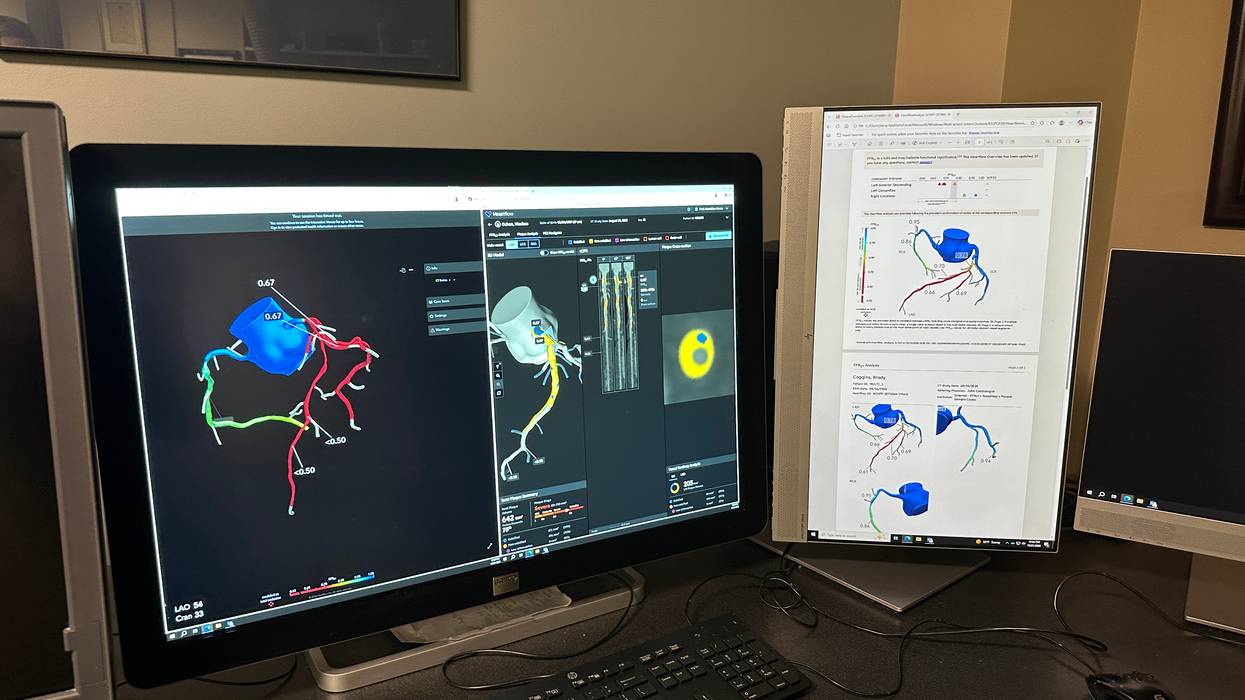
Parent system Rochester Regional Health is introducing Heartflow CT-derived fractional flow reserve (CT-FFR) technolog yat United Memorial Medical Center (UMMC), the first step in a planned expansion of advanced cardiovascular diagnostics across its rural communities and the health system more broadly.
"It's a specialized CT scan for the heart on this new scanner, which is state-of-the-art scanner, and we put an IV, give you injectable dye, and then take pictures of the heart arteries," describes Dr. Bipul Baibhav. "arteries. The possibilities with that are that if the heart arteries look normal and there's no evidence of any blockage or any plaque that is there in the heart arteries, then you know the patient is reshored, and we just recommend follow healthy lifestyle. If you have mild blockage, then we usually just treat it with medications. If you have a severe blockage, then usually patients will need to sometimes, most of the times, go to the cath lab or get an invasive angiogram, and they may need stents or bypass surgery."
"Rural healthcare is changing, and we have to find smarter ways to deliver the care our communities depend on," adds Baibhav. "This investment gives our physicians better diagnostic tools while helping patients avoid unnecessary procedures. It's about delivering exceptional care more efficiently and keeping it close to home." He says many patients have to drive hours for such care, note helpful when gas is expensive. "Having this technology in the community itself is great for the patients because we can leverage remote reading, AI on a very good scanner to provide this care or diagnostic test to the patients in the community themselves," says Baibhav.
Following the launch at UMMC, Rochester Regional Health plans to expand the technology into the St. Lawrence Region, with additional Finger Lakes locations anticipated in 2027.
Goal is to improve access to less invasive diagnostics in rural areas
Goal is to improve access to less invasive diagnostics in rural areas


