


BUFFALO, N.Y. (WBEN) - Polls are in the spotlight with a week to go before the presidential election.
While polls have always been described as a "snapshot in time", there is still plenty reason to trust them, according to Amherst pollster Barry Zeplowitz, who sat down with WBEN to discuss the ins and outs of polling and the process to garner a result.
"I think that most major pollsters, if you just look at the big names today, that they're credible and I have confidence in what they're reporting," Zeplowitz said. "If anybody's really interested, they look at Real Clear Politics and they look at the daily averages over the next three to four days of the major polls, they'll have a pretty good handle on things. I think the thing I watch is if the national numbers drop below five or six percent (lead) for Biden...then I think he's slipped."

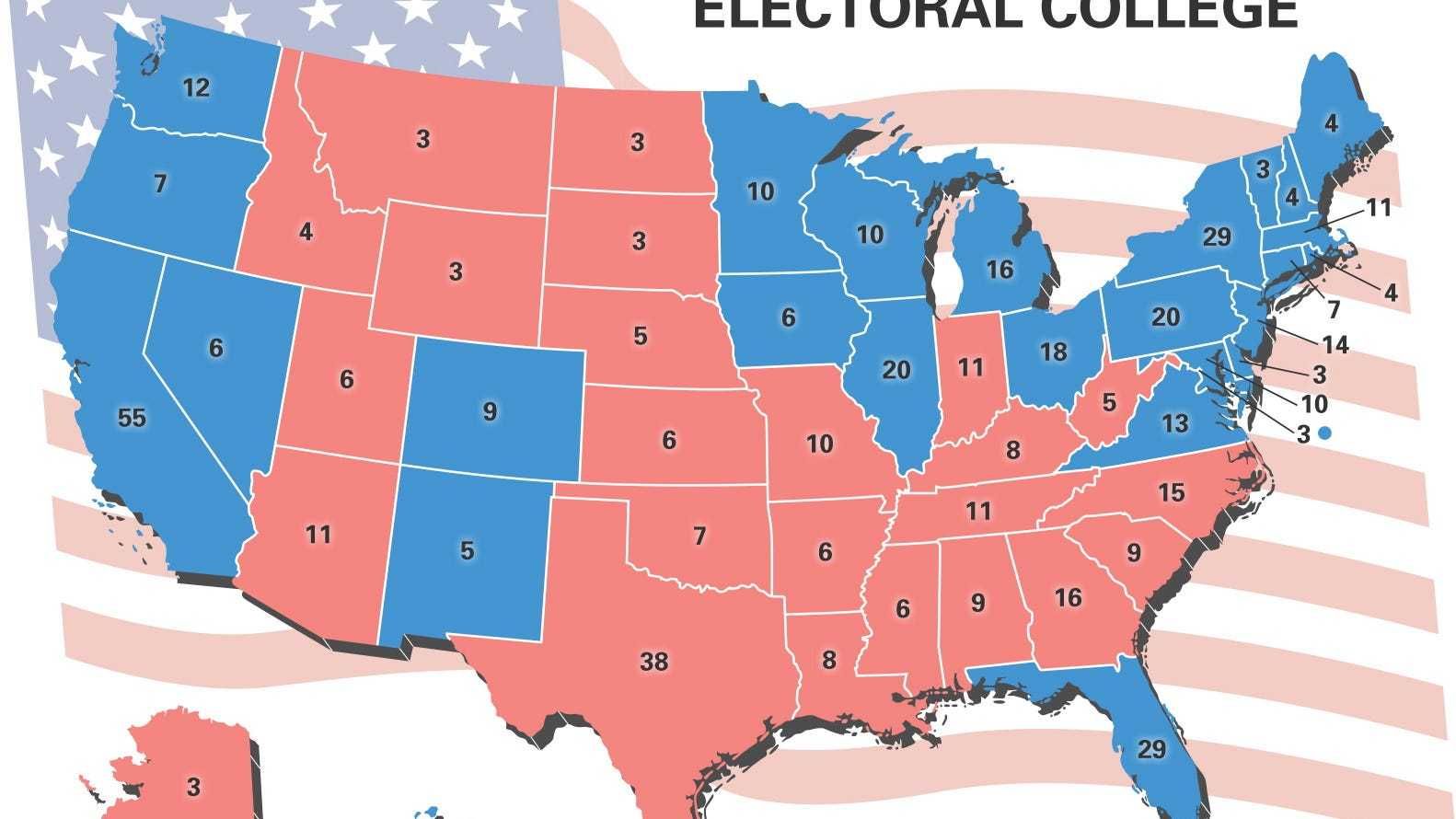
New York State is expected to go for Biden, though Zeplowitz said it's important to look at the battleground states like Florida, North Carolina, Pennsylvania, Wisconsin, Michigan, Minnesota, and others.
"If the president polls even or ahead in Pennsylvania or Michigan, in particular, I think then Biden is in trouble," Zeplowitz said. "But if Biden wins Pennsylvania and Michigan, he's likely to also be winning other states as well."
Polling is a complicated science that can be done several ways. Zeplowitz said the most credible polls involve live interviewers, rather than automated messages.
"The major, well respected companies, do live interviewers," he said. "It's a matter of which we feel most confident in terms of having a good confidence level at the end of the day. When a poll is conducted today, there's a whole lot of steps to it. It's not just doing a poll that people are reading in the paper...We try to write an objective questionnaire so that when the client gets the results, it's usable material and not just something that is misleading that gets them a level of confidence when they really shouldn't."
When there is an automated voice that's conducting the polling, that's known as IVR, or Interactive Voice Recording. Zeplowitz said there may be five times as many people who are surveyed in the poll, but it's limited to those who utilize a landline and not a cell phone.
Other methods of polling include text messages sent to phones, though Zeplowitz said it's only getting people who are interested in participating rather than a representative sample. He also said there's a method where they survey half of the people who were previously asked for their thoughts on an issue, though he's personally not a fan of the issue.
He said the coronavirus pandemic hasn't had too much of an impact on their ability to poll. In fact, he said it's been easier to reach more people because more people are now at home.
When Donald Trump won the 2016 election, he did it despite several polls indicating he would lose to Hillary Clinton. Zeplowitz said, in hindsight, the national numbers were actually very close to what the end result was.
"Michigan shifted very late and unless you were polling up through the night before the election, you weren't going to pick up the shift that was occurring," he said. "One of the biggest differences in Florida, which I'm very familiar with, we do a lot of work in Florida....The race was very close in Florida. But the difference was it was impossible to engage not the number of turnout in republican areas, but the intensity levels."
He said Florida's panhandle, which is predominantly republican voters, went substantially more for Trump in 2016 than it did for Mitt Romney in 2012.
"It was the intensity level that these rural areas and these highly republican areas brought out," Zeplowitz said. "That played a big role in Florida and...in Pennsylvania, they got these huge net wins for him in parts of the state where it really impacted."
He said many polls end up being burned on their turnout models. For example, African American voters and Hispanic voters came out more to vote for former President Barack Obama in 2008 and 2012 compared to Hillary Clinton in 2016.
Zeplowitz said President Trump is a unique person in history because of his relentless attacks on polls that do not favor him. He also said the that voters who have faith in polls and in the media tend to lean more democratic while those who do not have faith in polls and media lean more towards republicans.
RealClear Politics on Wednesday showed Biden with a 7.1 percent lead over Trump in overall numbers. However, the polling data on Wednesday afternoon showed Trump leading Florida and Ohio. Biden has a lead over the president in Pennsylvania, Wisconsin, North Carolina, Michigan, and Minnesota.
Hear the full conversations with Zeplowitz below: