


Buffalo, N.Y. (WBEN) - It has become more of a common practice for police departments and other law enforcement agencies across the country to release body cam footage some time after an incident involving a law enforcement official.
This includes several local law enforcement entities in Western New York, including the Buffalo Police Department, which has had a Body Worn Cam Policy since 2019. Over the last few years, this policy has allowed for Buffalo Police to equip officers with body cameras, that have been used to help with several investigations surrounding incidents involving officers
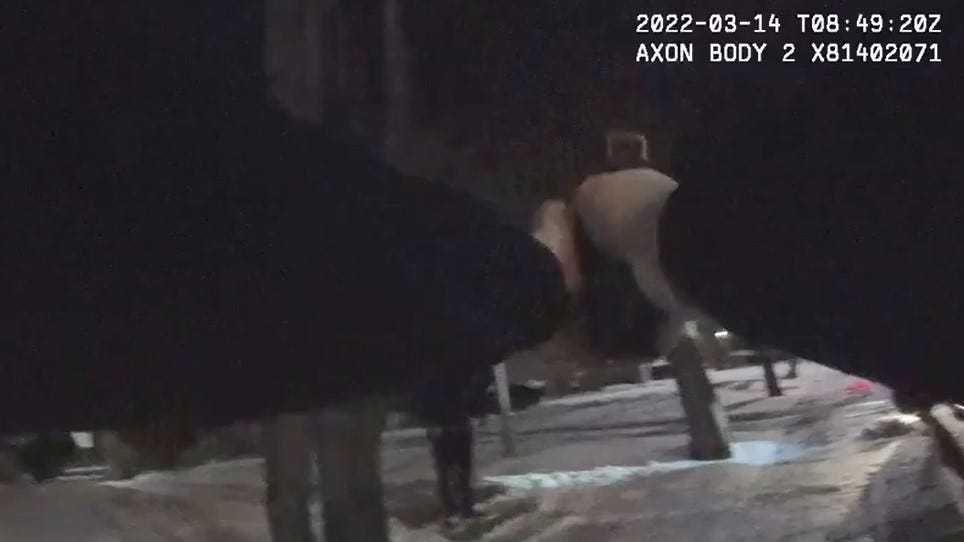
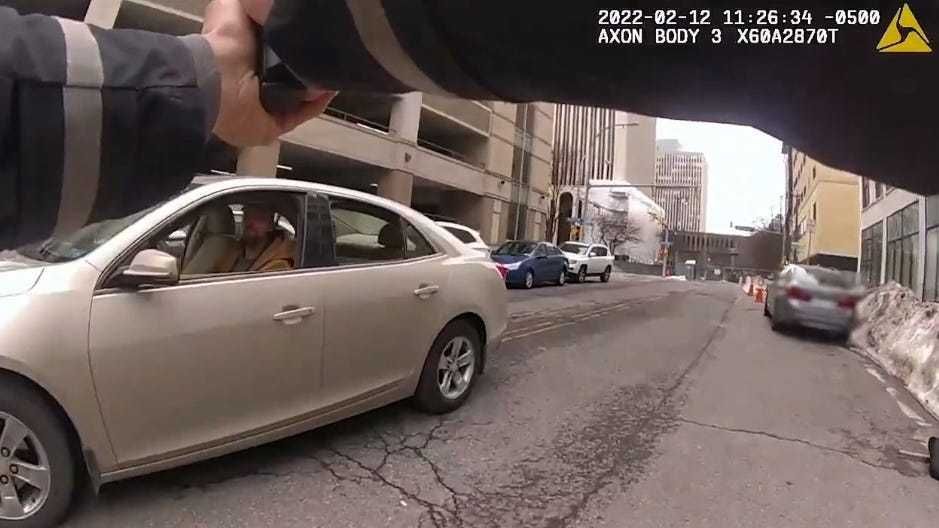
Just on Thursday, Buffalo Police released body cam footage of an incident that took place in the Broadway-Fillmore District of Buffalo last Friday involving a number of officers and their pursuit of a 27-year-old suspect.
After fatally shooting a 63-year-old man near Broadway at Sears Street, the suspect allegedly jumped on the hood of a patrol vehicle and shot one round through the windshield that struck the gun holster of one officer. After that, a foot pursuit took place that ended with the suspect being shot a total of eight times by a pair police officers. This after the suspect allegedly attempted to fire more shots at officers chasing him on foot.
In a very detailed video released by Buffalo Police on Thursday, it showed a number of different videos from four officers responding to the scene, including the two officers who fired shots at the suspect.
The compilation of footage from the officers involved captures a number of different elements of the incident, including the shots that killed the 63-year-old being heard from about a block away, to the foot chase of the suspect, and the actual shooting of the suspect and the actions that followed, where officers attempted to provide medical aid to the 27-year-old.
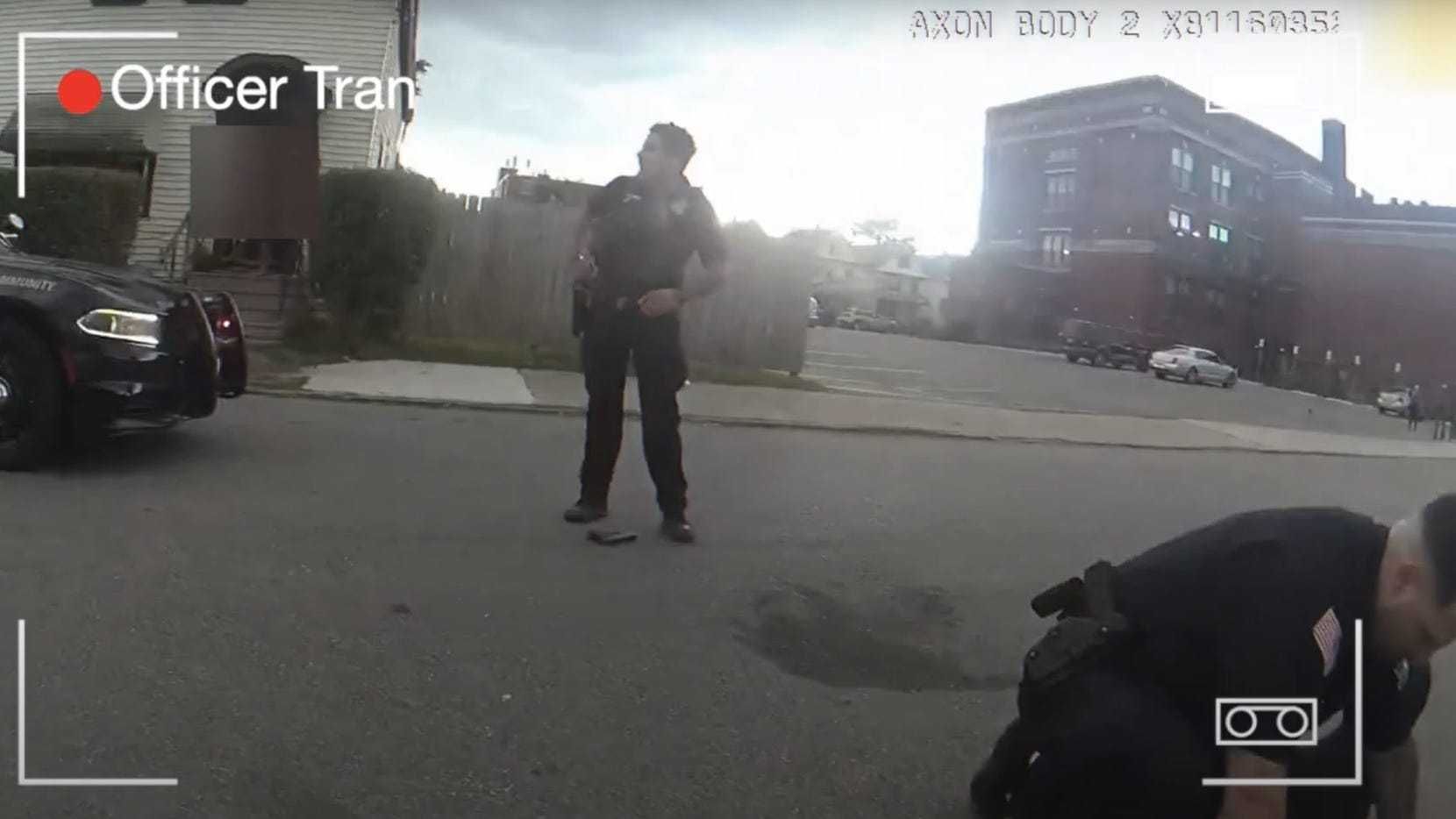
"The officers that discharged their weapons, they did not have their body cameras activated, because they were on routine patrol. They were not on an active call, and our policy does not mandate officers to keep their cameras on active recording. The cameras are not designed for a 10-hour shift of actual active recording at all times. The batteries will die, it's too much video," explained Buffalo Police Commissioner Joseph Gramaglia during a press briefing of the incident on Thursday. "When they are responding to a call and if there is not a danger to themselves - keep in mind, they're on routine patrol, immediately pulled up on a shooting homicide, and within split seconds have a bullet coming through [the windshield], one of the officers actually ended up being hit - they have to turn their cameras on as soon as it is safe to do so. I applaud them for getting their cameras on as quickly as they did while they were in a foot pursuit. So we have video that we would not have had before, because they got their cameras on."
It is actions like this, as well as other similar incidents over the years that has created an importance for body cam footage to be released to the public, in order to try and provide more clarity on the matter.
"I think what we've seen over the last number of years is an increased call from the public for officers and departments to have higher levels of transparency. So, obviously, a picture, of video of an incident occurring between a citizen and a police officer can answer a lot of questions," said former Buffalo Police Captain and current partner with Vista Security Group, Jeff Rinaldo.
While body cam footage will never always answer all the questions surrounding an incident, Rinaldo believes the calls to release footage will help show the public that a large number of law enforcement officials are doing the right thing.
"They're following their policies, they're procedures in the law, and it also shows the dangerous situations that officers encounter every single day that they go to work, and the life-and-death decisions that they sometimes are forced to make in a split second," he said.
"Of late, having a commitment to transparency - good, bad or otherwise - it was very important for citizens to recognize when their police did the right thing, which is most of the time, or if they did the wrong thing," added Buffalo Police Benevolent Association (PBA) Trial Counsel, Tom Burton. "It makes it easier for all of us to be committed and trust our policing operation, when incidents like this can be aired publicly."
With Thursday's body cam footage release, it also allowed the Buffalo Police Department to introduce their new YouTube page and a new way of making incidents like this available to the public.
"There's other major city police departments or other police departments across the country that use a YouTube channel. Seeing that, I thought it was great idea," Commissioner Gramaglia said. "We wanted to get ourselves to that point to do that. Getting the video together with factual detail - not opinionated detail, but factual detail - it takes time to do that."
A new way of presenting information to the public may be very helpful when it comes to being able to analyze and observe what went right or wrong with police body cam video.
"The upside is transparency and careful pronouncement on the record as to what happened," Burton said of the benefits of body cameras.
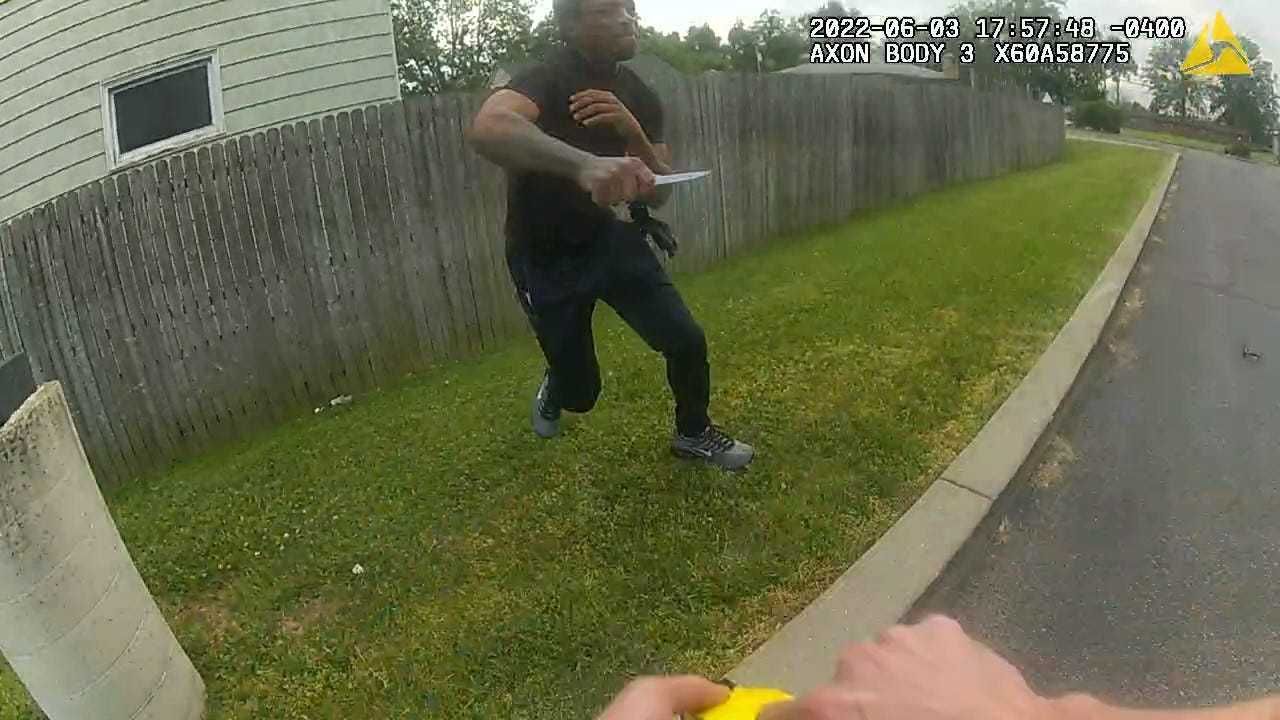
"In a very clear-cut video, like what we saw released in Niagara Falls a couple of weeks ago - an individual pulled a knife and attacked and stabbed an officer, leaving them no choice but to use deadly physical force to stop that attack - it can become a very easy way to end public scrutiny to answer questions and to show that the officers are doing something right," Rinaldo added.
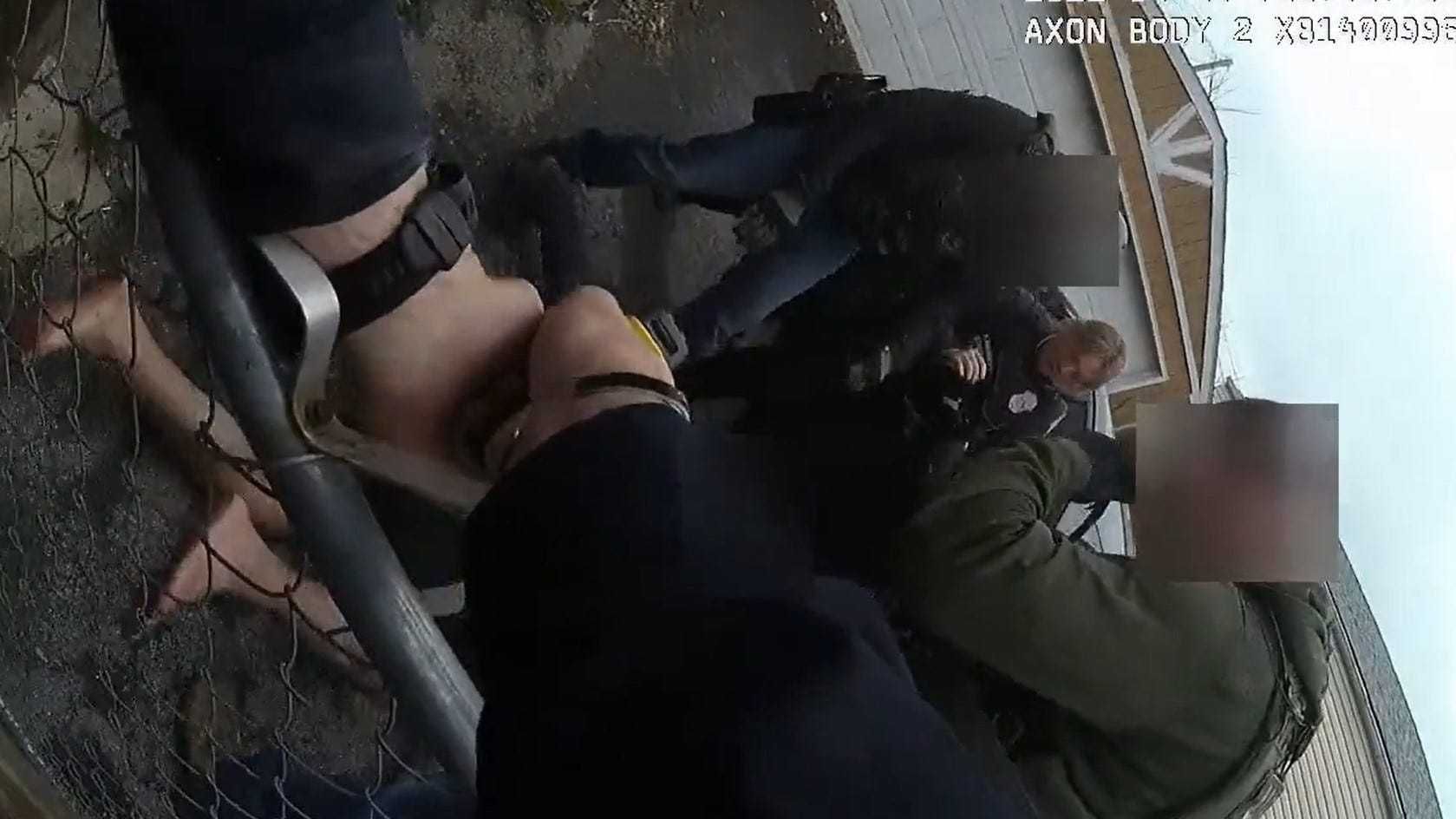
While there are the pros of the availability of body cams for police officers and the footage becoming available to the public at times, there are, of course, the cons to this practice.
"The video is not always clear. Sometimes it's dark, sometimes the camera is not pointed in the direction where the incident or the altercation takes place because of where it's mounted on the officer. Sometimes officers are using a high level of force that the video doesn't necessarily explain or justify, but that the law allows. It can sometimes lead to more questions than answers when it's released early," Rinaldo said.
"Some of this stuff has to be looked at very carefully during the course of an investigation to ensure that what you're looking at is the whole picture," Burton added. "My only concern about that is everybody rushes to get in front of a TV camera, it would probably be helpful for all of us to slow things down a little bit with an eye toward releasing this footage in the context in which things occurred."
One example Burton mentioned to support this is the incident back in 2020 with the two officers shoving Martin Gugino in front of Buffalo City Hall. He explains while the initial video footage taken initially looked terrible, the time took analyzing the incident with other resources painted a different picture.
"When we got into the rest of it, it showed a different story, and that's why it never hurts just to give a little breathing room between an event when this stuff gets released," Burton said.
As Commissioner Gramaglia also explains, police departments, in the past, would follow a process that saw them put out a statement on what happened in a police-involved incident and then send that information to a court. That sometimes has not led to clear and concise information about the incident, which has led to some instances of "he said, she said" during a trial.
With the availability of body cameras for police departments in today's age, those type of instances can now be better avoided in the court of law.
"We now have that video, we can be the producers of our own show, if you will - for lack of a better term - to show, 'No, this is exactly what happened, and this is what's happening.'," Commissioner Gramaglia said. "It professionalizes our police department, it professionalizes our police officers, and it holds the public more accountable, as well."
When it comes to the legal side of it with body cam footage being shown to everyone before litigation begins, Burton doesn't believe it's a wrong practice to follow. He feels it's actually more helpful to quickly determine whether an officer's actions were deemed right or wrong.
"I can tell you when the cops do well and do right, which is the overwhelming percentage of the time, these body cam captures have been incredibly helpful, and it makes it really hard for someone with an agenda to try to malign the police when you've got a videotape of what's going on. That's damn near unassailable proof, in a legal setting," he said.
Meanwhile, Rinaldo presents another side of the argument that may make these body cam footage releases more troublesome than a helpful asset.
"The last thing that you want to do is potentially find yourself in a situation where a criminal, or even a civil trial is getting played out in the court of public opinion," he explained. "A challenge with releasing this evidence is that a potential jury pool has now been exposed to, and allowed to form opinions ahead of a proper disclosure in a court and a controlled setting. So it definitely does present some challenges for both the police, as well as the public when it comes to these decisions."
In the end, though, Rinaldo also realizes this practice certainly isn't going to go away any time soon.
"I think what you'll see is a continued release of these videos," he stated. "I believe you're going to see the continued push for even less controversial issues, release a video ahead of time, when there is a question as to the officers' conduct."