


Buffalo, N.Y. (WBEN) - The University at Buffalo's South Campus acted as host to a seminar held Thursday educating the public on the progress of cannabis legislation in New York State.
Many were in attendance for the event and the speaker list was filled with educators, cannabis operators, representatives from the Office of Cannabis Management and New York State Assembly Majority Leader, Crystal Peoples-Stokes, who opened the event.
Assemblywoman Crystal Peoples-Stokes opened her speech with a little background history of the Marijuana Regulation and Taxation Act (MRTA) which was signed into law on March 31st, 2021. This legalized adult-use cannabis in New York State, giving birth to the Office of Cannabis Management, which has been slowly issuing licenses to grow, process and distribute as well as develop regulations for the developing industry. In addition to this, they also continue to maintain the current medical marijuana program in New York.
"It [the law] reduced criminal penalties for the possession and the sale of cannabis. New Yorkers 21 years and older will be able to legally buy cannabis from an authorized retail outlet and possess up to three ounces, they will also be able to grow their own plants. We've further expanded the expungement process for people who had previous convictions and to make it easier for that to happen. As a result of that, some 400,000 New Yorkers now have had their records expunged," said Assemblywoman Peoples-Stokes.
Peoples-Stokes also talked about the tax revenue that will be generated from this industry, an expected $300 million dollars a year and the benefit that the money will have on overpoliced communities and communities of color.
"The revenue will first pay for costs such as managing the cannabis program, training police drug recognition experts, assist in the expungement of records and create incubators to help social equity applicants trying to get started in the cannabis industry. Then the rest of the revenue will be spent as follows: 40% community reinvestment to rebuild the communities and the lives of the people that were negatively impacted by cannabis prohibition, 40% on education and 20% on drug treatment, prevention and education," said the assemblywoman.
The legislation passed over a year ago now and the regulations for retail still have not fully developed and as a result, there is grey area. Some stores have opened up in New York and are offering marijuana as 'gifts' and you see Indian reservations selling as well, without licenses. Indian reservations have sovereignty, so state officials say they can sell, but other stores can not, which prompted a warning and an apology from the Assembly majority leader.
"There are a lot of people who are thinking, it's okay, I already have a store, I'm just going to open it up, I'm gonna go into the storefront down the street and start selling it. That's illegal. That's illegal, there have not been regulations put in place to allow you to sell adult use in the state of New York. There has not been regulations put in place to allow you to sell adult use in the state of New York. Now, if you do that and you think that you're going to gain an advantage to get a license, think again."
"In many ways, I apologize to people sometimes for passing legislation and not having regulations immediately in place. Because if we had them immediately in place, the market wouldn't be running around and people thinking they can just open up and sell. Well, I'm gonna apologize because it should have happened quicker and should have happened faster, but it didn't," said Assemblywoman Peoples-Stokes.
The education portion of the event also featured Dr. Lorraine Collins from University at Buffalo's Associate Dean for Research and Director of UB's Cannabis and Cannabinoid Research Center, who discussed the complex properties of the cannabis plant as well as provides warning to people who want to try cannabis. She also notes that medical professionals need to educate themselves more on cannabis so when patients come to them, they can be armed with information so that cannabis use can be done in a safe manner.
"Healthcare professionals, nurses, physicians, physical therapists, all of these professionals interact with the public and need to know more, because right now, they tell me that they're in a fog, they don't know. They kind of nod their heads, and they can't provide well informed information," said Dr. Collins.
She also says that they are developing ways to monitor cannabis use in people's systems, which could help law enforcement.
"All of the people who use cannabis, who are healthcare professionals, they will not have answers, unless we do good research and I'm hoping that some of the money that comes from the taxes will go to research. Because, yes, you heard it here, it will go to research. Because there's so many questions, and there's so many populations that we need to understand," Dr. Collins adds.
The University of Buffalo is not the only college in Western New York that is looking into cannabis research, Niagara County Community College is one of the first colleges in New York state to have a cannabis curriculum in higher education and is receiving a $1 million grant from New York state to expand their cannabis cultivation programs, according to Brian Michel, Assistant Vice President of Academic Affairs, Economic Development at NCCC. In addition, NCCC is hosting their first cannabis conference,
"Much like this conference that I'm here taking notes on, we're going to be hosting a cannabis conference annually for all three years. It is going to be not just a regionalized conference, but we're going to be bringing in speakers and players in the industry from across the state as well as the country and I hope that some of you will consider joining us. We're looking at having our first annual cannabis conference at Niagara County Community College this January.
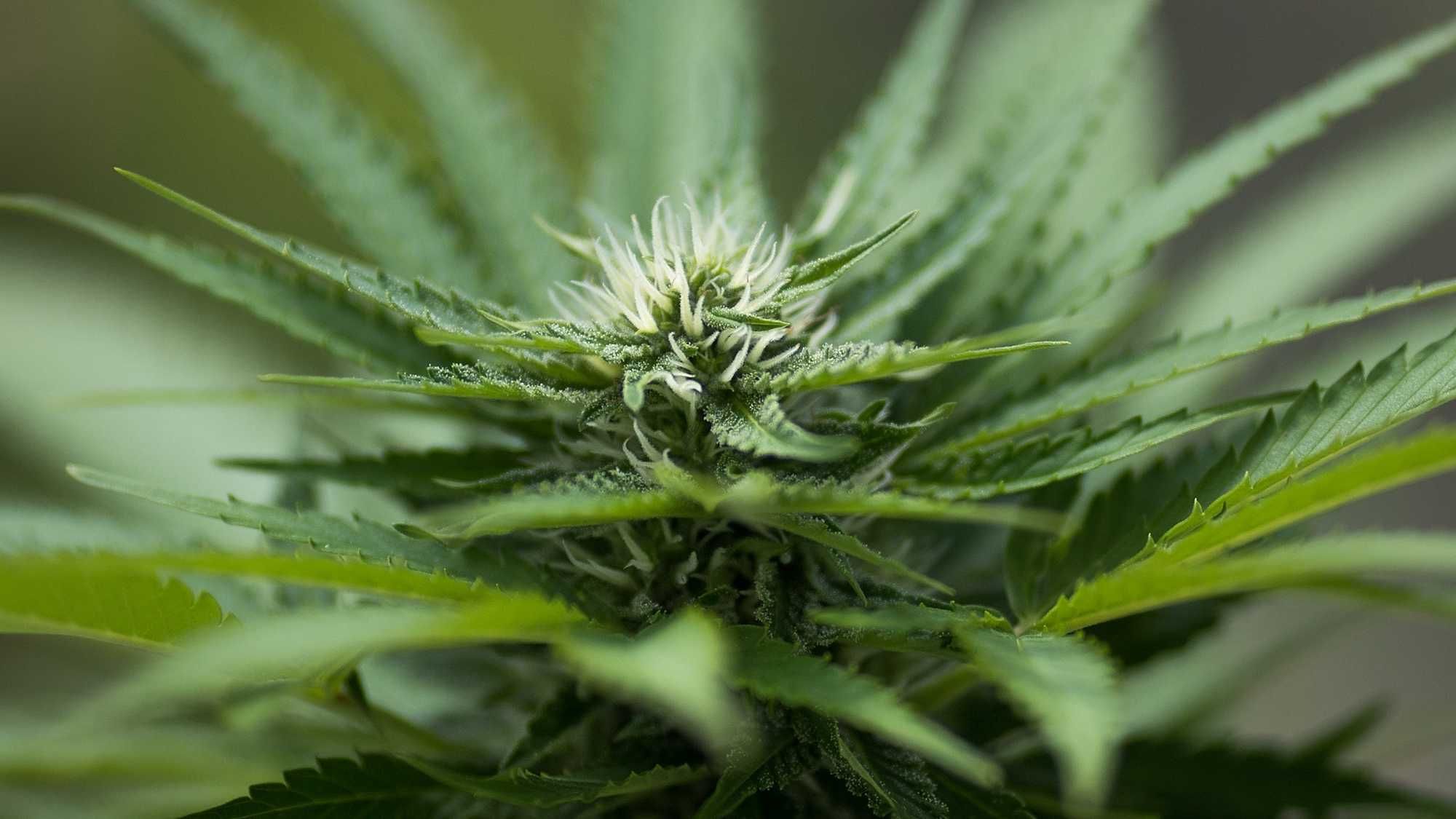
Licensing for processing and cultivating cannabis has been slow, but the licenses are there and cultivators have been growing. Next on the docket for the Cannabis management team, as they enter the home stretch, would be to create licenses for distribution and retail, which will allow retail stores to open legally and sell.