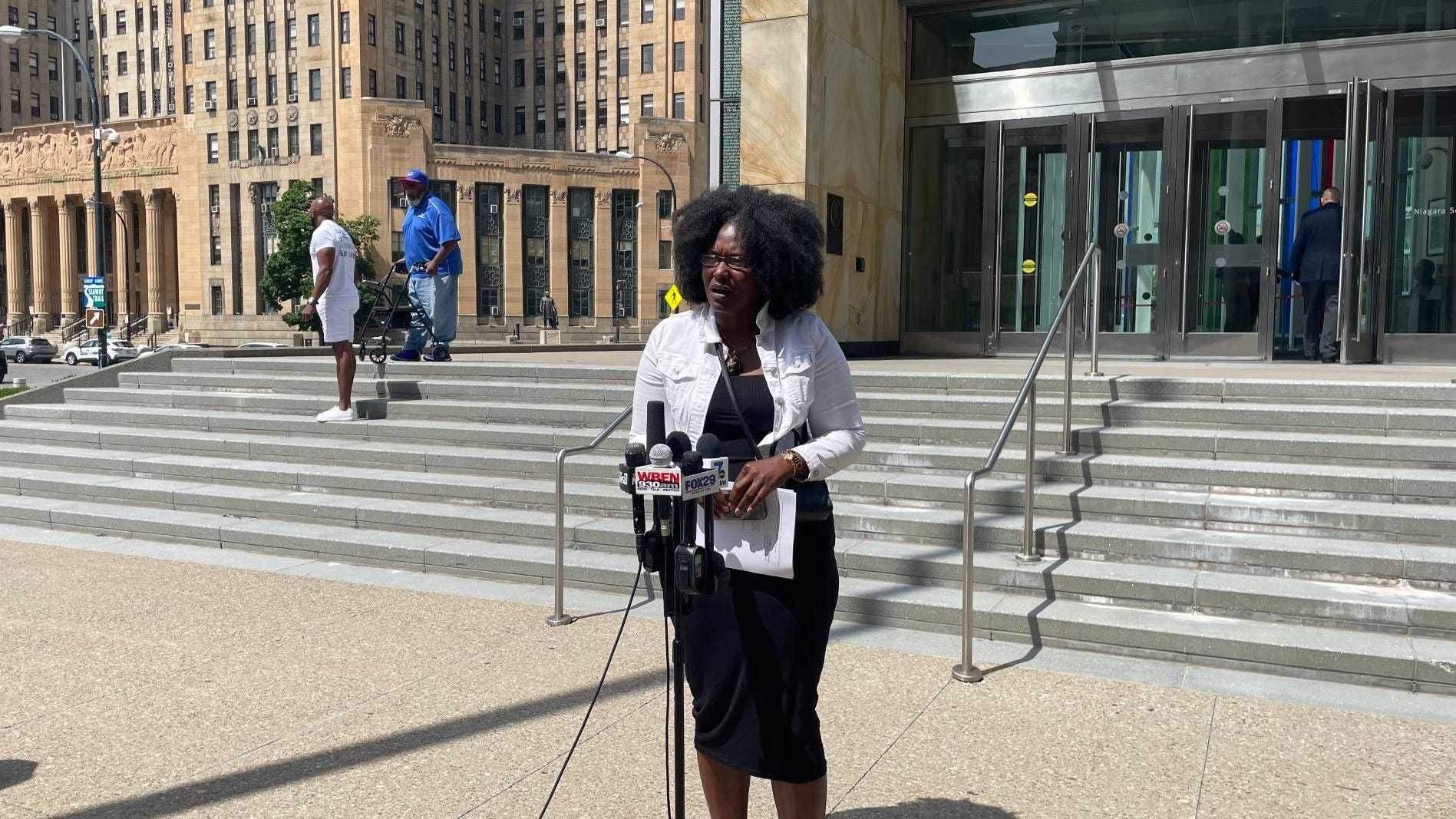



Buffalo, N.Y. (WBEN) - The legal maneuvering and strategy is in play now after accused Tops shooter Payton Gendron went before a federal judge Thursday in Buffalo.
Gendron now faces federal charges following the mass shooting May 14 that claimed the lives of ten and injured three others in an attack identified as racially-motivated.
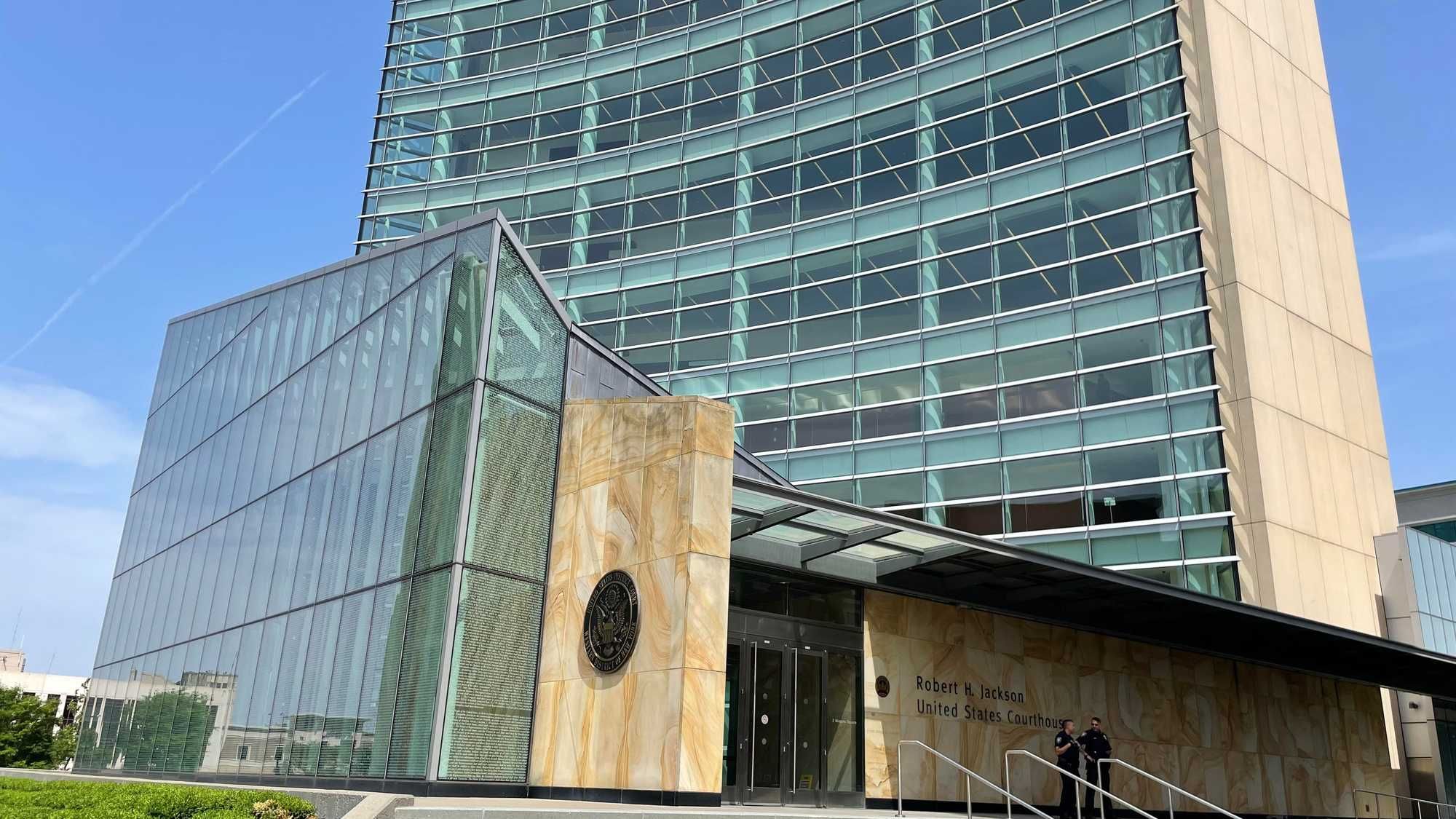
During a court hearing Thursday morning, Judge Kenneth Schroeder urged prosecutors to decide on whether or not they want to pursue death penalty charges given the legal parameters and large costs associated with death penalty cases.
Initially, the case will unfold in a legally straightforward manner.
"I think it's fairly routine, the sense that he's been arraigned on a complaint. It now goes to the grand jury and if they vote for charges, which we expect them to do, he'll be arraigned again. The indictment and then a case will be scheduled for motions, and eventually scheduled for trial or other disposition," said Buffalo Attorney Paul Cambria.
Whether or not to pursue the death penalty is the more complex question and that decision will be made by the attorney general. That process requires certain protocols.
"They evaluate the case and determine whether or not they're going to ask for the death penalty and if they do, then there's certain protocols that are put into place, discovery and opportunities, especially in a case where it appears that he's without funds to defend himself. There will be requests for funding for mitigation experts and for mental experts," said Cambria.
How long will it take for the U.S. Attorney General to make his decision? It could be tough to say given a moratorium or temporary ban on death penalty cases.
"I think it's complicated by the fact that in July of 2021, the Biden administration decided to put a moratorium on seeking the death penalty. So it'll be interesting to see how that plays out. Politically and practically, given so many shootings around the country, that's gonna be an interesting issue," said Cambria.
The timeframe for this case is going to be lengthy and preparing the budget and gathering testimony is a detailed process itself.
"It's hard to say how many people will be approved and so on. $50,000 to $100,000 may not be such an outrageous figure, depending upon how many experts are authorized. It's going to take a while. I think it'll take longer than a year for the whole process to unwind. It's very complicated process, as it should be when the penalty is death," said Cambria.
"I think that as things go forward, one of the things you see in death penalty cases is a request that a plea be entered with the agreement that they won't seek the death penalty. So it'll be interesting to see whether such an application is made and if it is made or whether it's entertained favorably. We see this quite a bit in cases that start off as death penalty cases," Cambria added.