



One hundred and twenty-five years ago today, Buffalo became the center of the nation as Theodore Roosevelt took the oath of office and became the 26th President of the United States.
It happened under extraordinary and tragic circumstances.
President William McKinley died in Buffalo on September 14, 1901, eight days after he was shot while visiting the Pan-American Exposition.
Vice President Theodore Roosevelt, was rushed to Buffalo by special train.
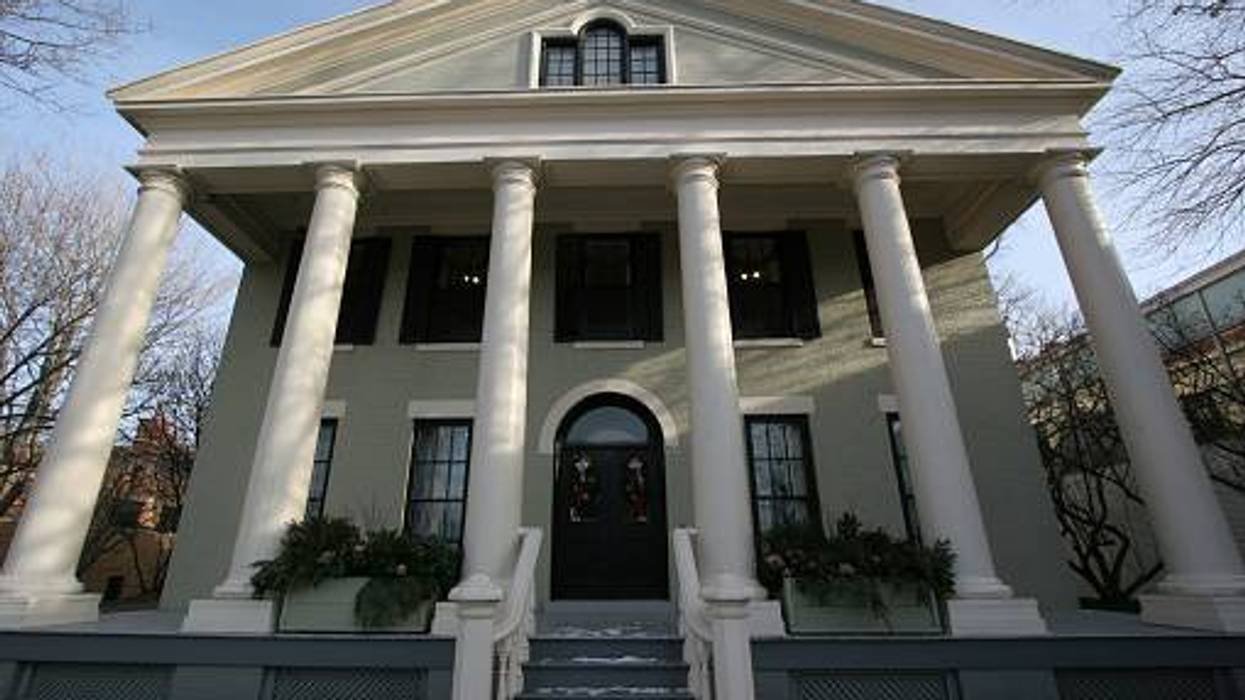
Roosevelt was met at the train station by his friend, prominent Buffalo lawyer Ansley Wilcox, and taken to Wilcox's home at 641 Delaware Avenue.
Today, that home is the Theodore Roosevelt Inaugural National Historic Site.
There was no time to organize a presidential inauguration. No parade. No massive crowd. No Capitol steps.
Instead, Roosevelt took the oath in the library of his friend's home.
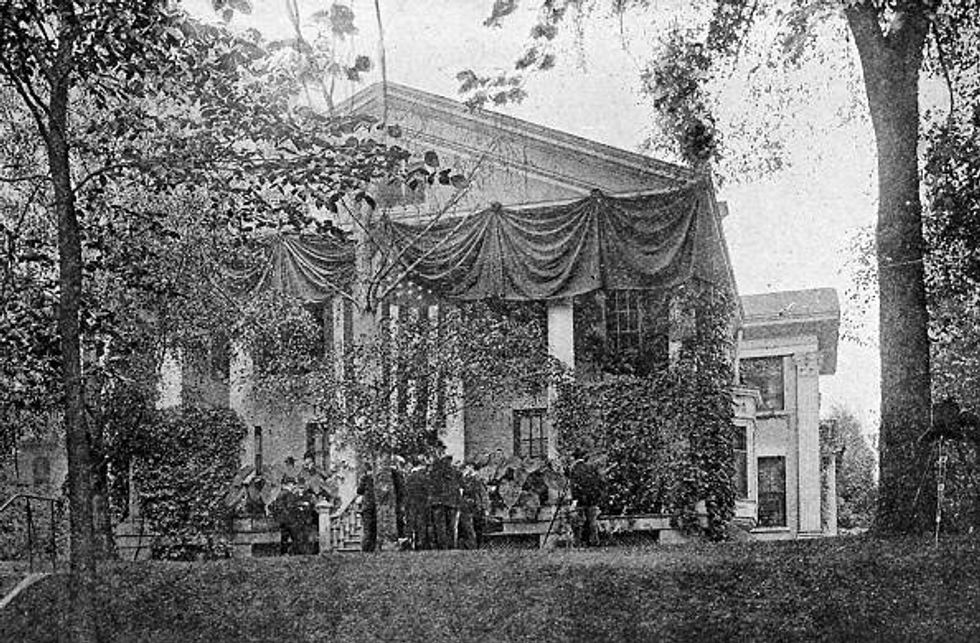 Ansley Wilcox residence, decorated with banners and the American flag, where President Theodore Roosevelt took his oath of office, Buffalo, New York, September 14, 1901. Getty
Roosevelt was just six months into his vice presidency when McKinley's assassination suddenly elevated him to the presidency.
Following the ceremony, Roosevelt met with his Cabinet in the library and then used the home's morning room as his office. There, he drafted his first presidential proclamation, announcing McKinley's death and calling for a national day of mourning.
The quiet ceremony at 641 Delaware Avenue represented something much larger: the peaceful transfer of presidential power during a moment of national crisis.
And it happened here in Buffalo. One of the most consequential moments in Buffalo history, and one of the most unusual presidential inaugurations in American history.
Events Monday, September 14th include a wreath-laying ceremony at Buffalo's McKinley Monument, in Niagara Square and a live reenactment of the ceremony of the swearing-in. The reenactment will take place in the very room where TR was sworn into office.


