

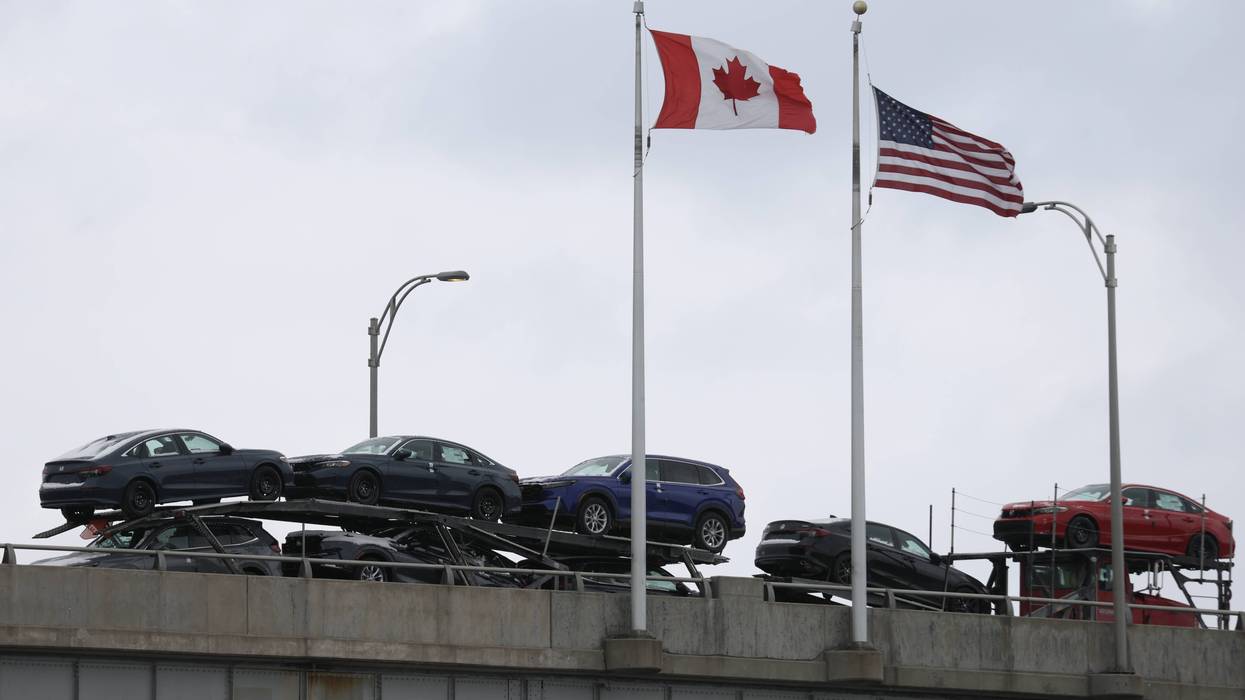

Buffalo, N.Y. (WBEN) - After trade talks between the United States and Canada broke down this past weekend and into Monday, resulting in the Trump administration enacting 50% tariffs on $20 billion of Canadian goods, Canada announced retaliatory tariffs on more than 700 U.S. goods on Tuesday, including steel, dairy products, appliances and farm equipment.
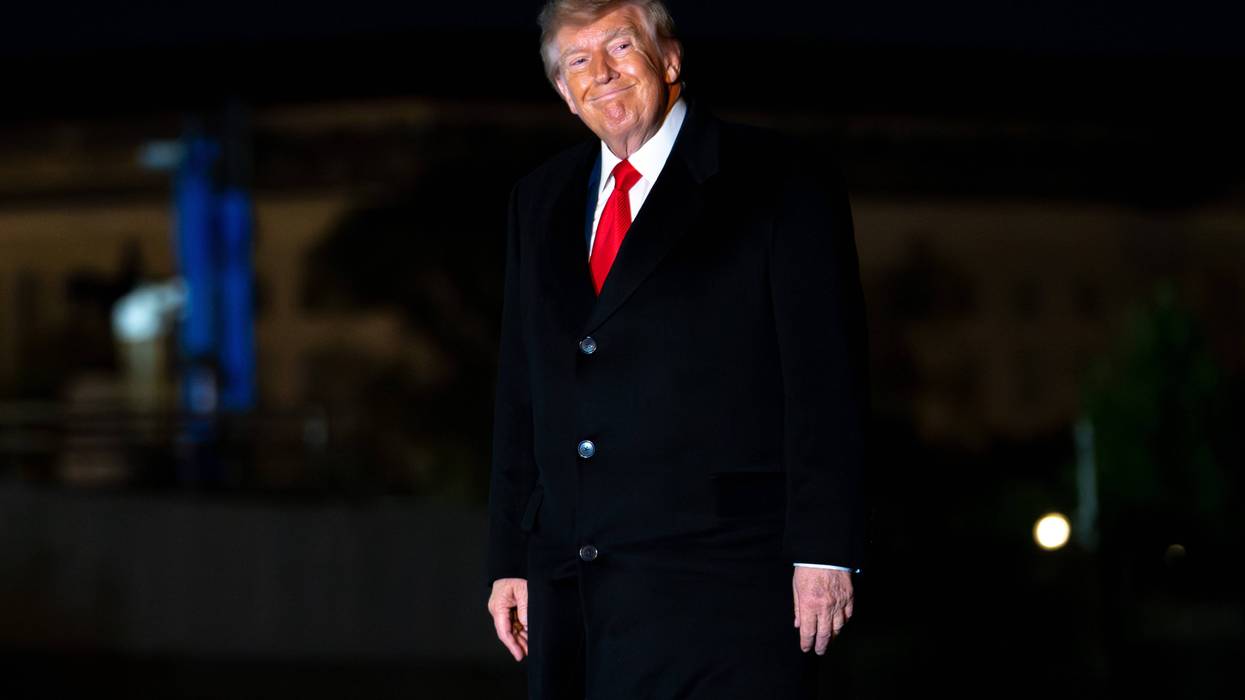
U.S. President Donald Trump told Canadian leaders to “fall in line” or face consequences “far WORSE” than existing tariffs, while Prime Minister Mark Carney accused Washington of trying to subordinate Canada. Trump also threatened new 50% tariffs on Canadian vehicles, auto parts and steel, while Carney said U.S. trade demands showed Washington wanted to “destroy our major industries,” including autos, steel and aluminum.
While Art Wheaton from Cornell in Buffalo says the tariffs will hurt people across the board, he knows the tariffs will especially be felt by the people of Western New York.
"It makes everything more expensive, and I think we're already having problems with inflation," said Wheaton in an interview with WBEN. "So when you have the tariffs, that can create some problems on trade. That can also hurt the outlet malls, it can hurt some of the shopping. But I'm more concerned with the tariff talks that are talking about the auto sector, which are going to start in January, if they can't negotiate a deal. Those will have a massive impact on the U.S. if they put a 50% tariff on all auto parts and steel, and all of the autos coming from Canada. That would be huge."
Some of the other goods facing tariffs from Canada includes seafood, cheese, clothing, cosmetics and toilet paper, with some facing duties as high as 50%. Wheaton says there are other industries set to be impacted as a result of these tariffs.
"Hockey sticks were one of them, so the hockey players, kids' hockey, getting things from Canada will be impacted. Then there was a few other items on that list that are being impacted. We're already being impacted from the U.S. perspective on the alcohol, because Canada has pretty much shelved most of the spirits coming from the U.S. in response to previous tariffs. So I think there's some impact that's going to happen on these newly acquired tariffs," Wheaton noted.
With this latest break down in trade talks, resulting in Trump, Carney and Ontario Premier Doug Ford lashing out at each other, Wheaton feels the tensions could linger for a very long time.
"If they break down and don't get a deal before Jan. 1 - I study the auto sector, so I'm more concerned for the auto for what's happening - that would be massive," Wheaton noted. "We have the GM Tonawanda powertrain plant sending engines up to Canada, we have the Ford stamping plant sending a lot of their stamped parts to Oakville, Ontario for that assembly plant. And if there's a 50% tariff, would they still get those products? Would they still ship them there? Would they do something else? It's a big impact for a lot of different products, and the 50% on steel can hurt as well.
"Every time you raise prices, it hurts the the pocketbook of the average consumer. The tariffs are paid by the people who buy the products."
While the tariffs could have a massive impact on the Western New York region, Wheaton is not ready to panic just yet.
"I don't panic until it's actually implemented. So the threat between what's going to happen between now and Jan. 1 is not as scary to me, because I think there's still time, and I think there will be some maneuvering before Christmas time comes around," he said.
Wheaton further notes there have been several examples where President Trump has changed his mind on tariffs, or changed his mind on what he's negotiating.
"For right now, they're making these big ominous threats, and they will try to scare people to say, 'Yes, you better agree to this.' And then at the last minute, they will change. It happens in negotiations between union and management all the time. There's always the threats and we're going out on strike, and then you'll find out at the last minute at midnight, they make a deal because sometimes it's just trying to put your best case forward or your hardest or toughest case forward. I think that's what's likely to happen for the tariffs between the U.S. and Canada," Wheaton said. "I don't really think they should, and I'm hoping they won't jeopardize the long-term trade relationship we have between the U.S. and Canada."