



BUFFALO, N.Y. (WBEN) – Despite billions in COVID relief coming to restaurants devastated by the pandemic closures, there is uncertainty about when these businesses will get the money from the federal government and how much they will receive.
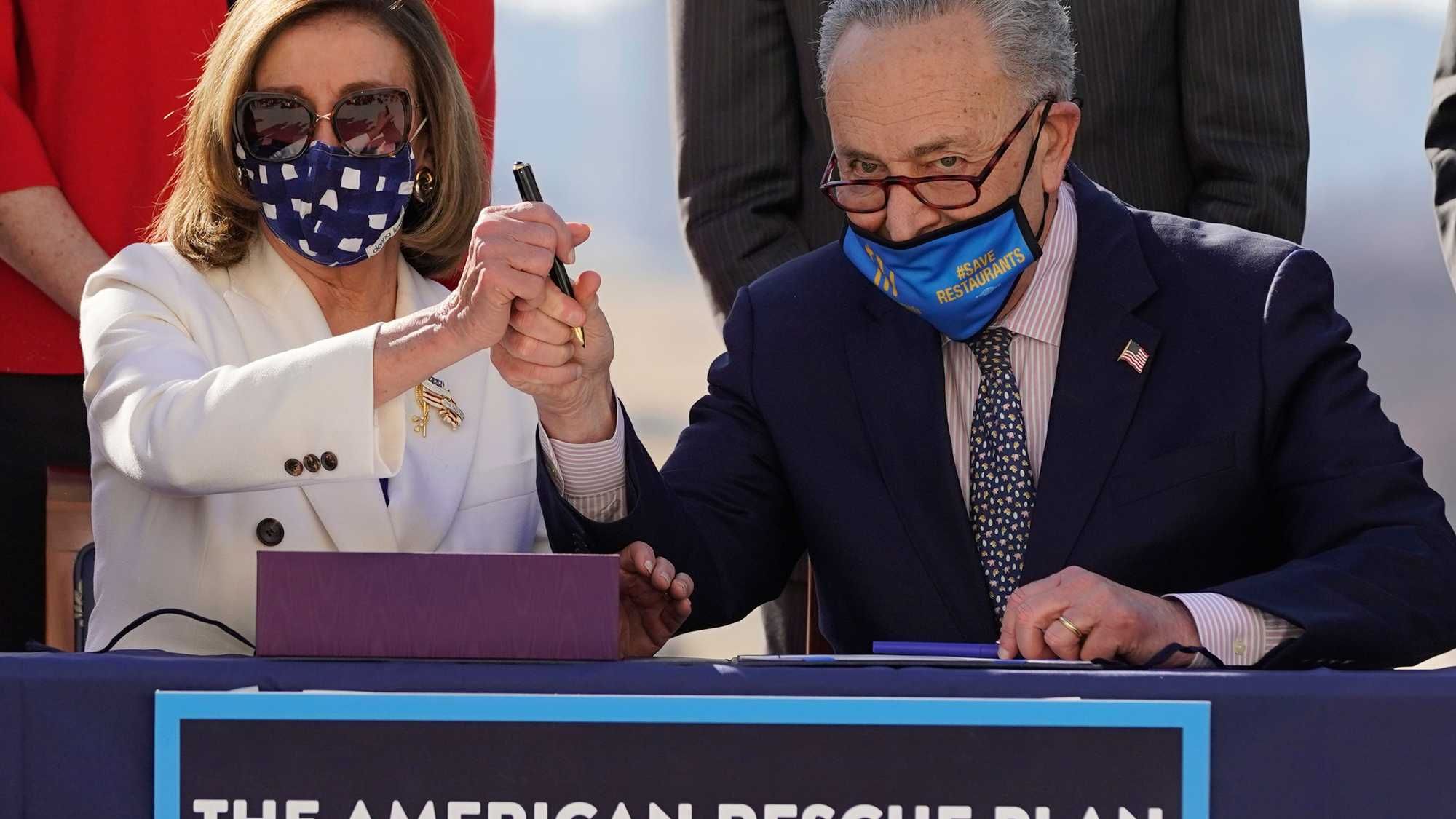
Congress on Wednesday finalized the $1.9 trillion COVID-19 relief package called the "American Rescue Plan". It will bring $28.6 billion in grants to restaurants whose revenue fell in 2020 because of the pandemic. President Joe Biden said he will sign the relief package on Friday.
No one knows for certain when restaurants will get the money.
The Small Business Administration is tasked with administering the grants to the businesses, which has some local restaurant owners worried.
"They're not used to doing grants," Ellie Grenauer, co-owner of Glen Park Tavern in Amherst and Director for the New York State Restaurant Association, said. "They're used to doing loans. So this is going to be a huge learning curve for them and how long is that going to take? When will the money actually be given to the restaurateurs?"
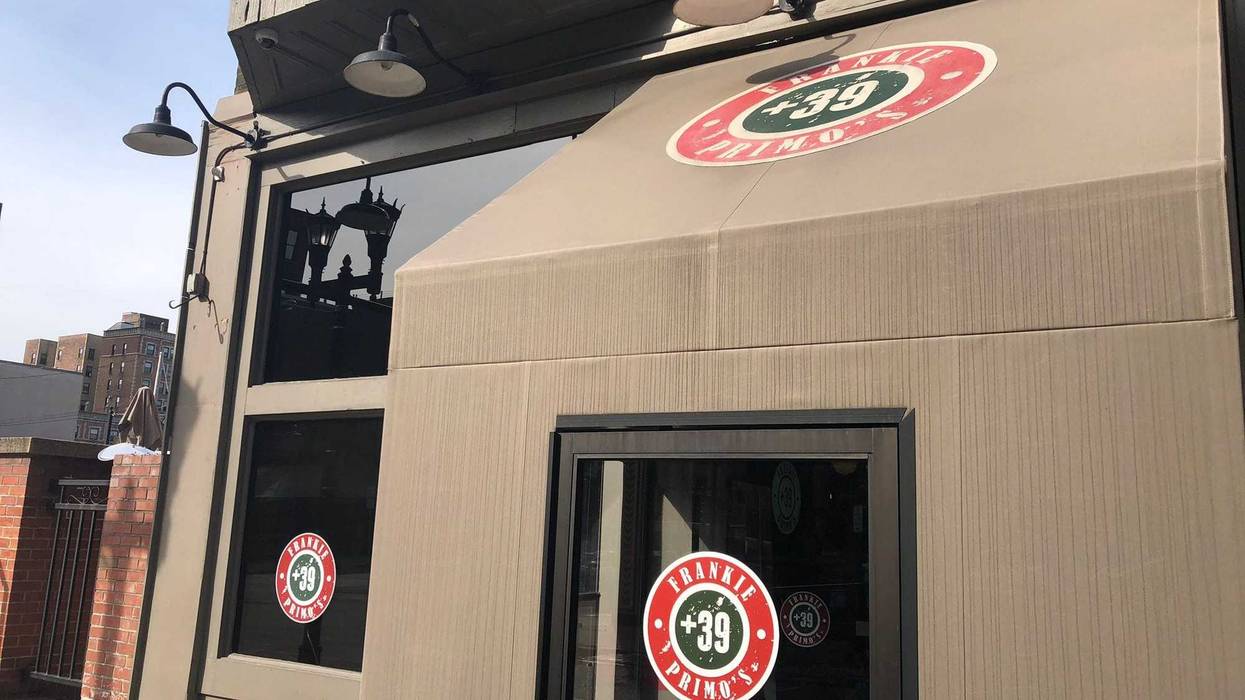
Amy LaFond, operations manager at Frankie Primo's +39 and Soho Buffalo, echoed those concerns with the SBA. She said more information will come out as part of a webinar next week from restaurant advocacy groups, but she believes the money won't be given out until May.
"The restaurants that are just hanging on right now have to wait two more months before they potentially see any of this money coming from the federal government," LaFond said.
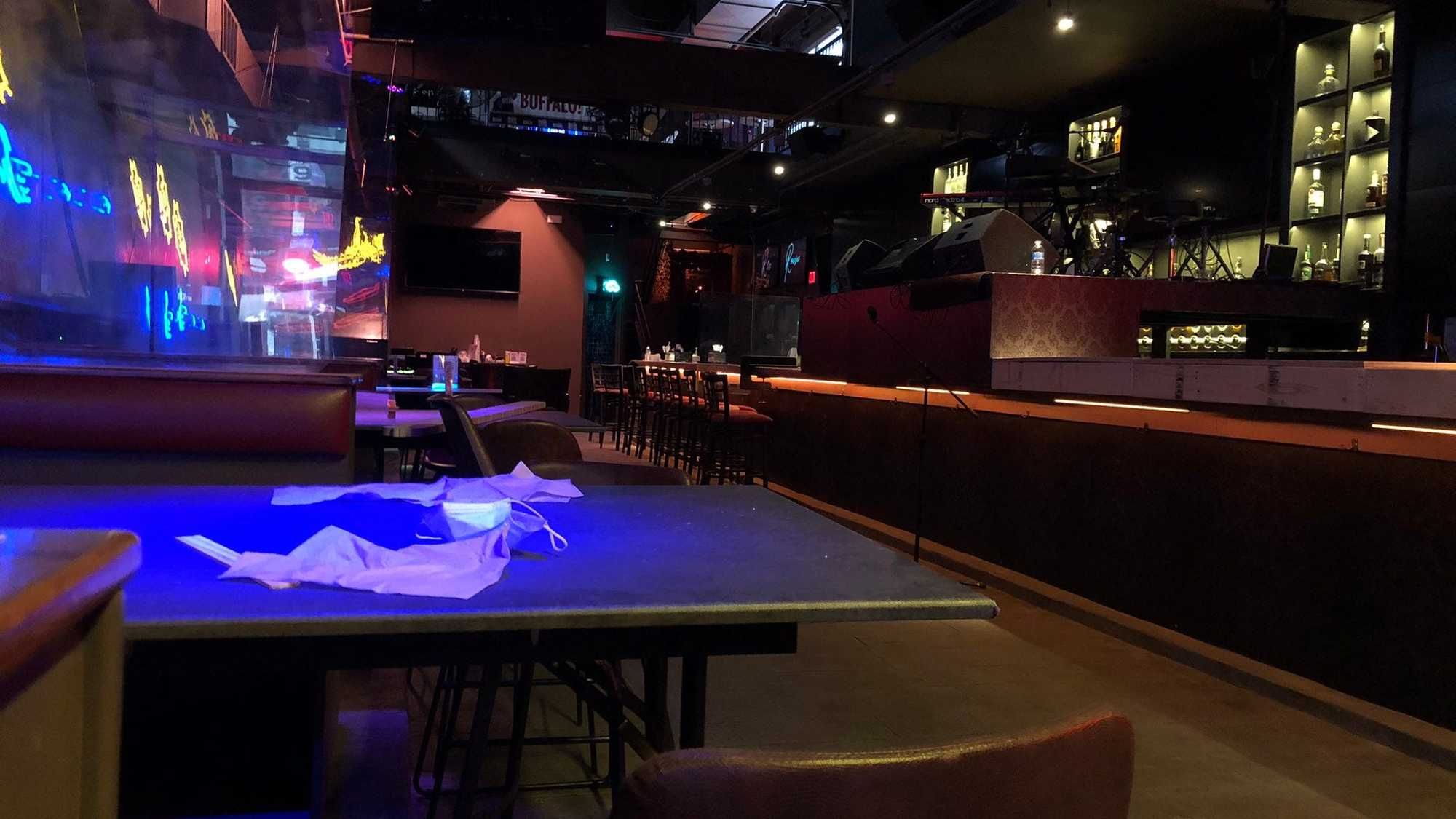
The SBA still has not set up a grant application process for previous industries that had money allocated to them from the federal government. Music venues are still waiting for the SBA to set up applications for the $15 billion "Shuttered Venue Operators Grant" that passed in Congress last December. The SBA told WBEN last month they were ensuring all mechanisms related to the grant awarding were in place to ensure the grants were delivered to those the law intended to assist.
Will restaurants now run into the same issue as the music venues?
"Oh they will," Grenauer said. "The music venues will, for the SBA, be the testing ground…The restaurants might be quite a ways down the road."
LaFond encouraged restaurant owners to sign up their restaurant through the IRS website in anticipation for the grant funding to be made available by the SBA.
Restaurants owned by women, veterans, and those who are "socially and economically disadvantaged" will get priority in receiving grants from the SBA. The exact amount received will be determined by pandemic-related revenue loss between February 15 and December 31, 2020. LaFond said the figure is determined by determining the difference of 2019 and 2020 gross revenues in that window, then subtracting the amount a restaurant received in payroll loans from the federal government. Restaurants will receive a maximum of $10 million in relief
Once restaurants receive the grant, they can use it for restaurant-related expenses like supplies, rent, utilities, maintenance, paid sick leave, and other operational expenses.
Despite the concerns over the SBA, the restaurant owners are optimistic it will help them in the long run.
"It certainly is going to get a jump start to whoever can get their applications in first and file for these grants," LaFond said. "It will be a first come first serve."
"It's been a tough year," Grenauer said. "Most restaurants have lost a lot in sales and also in product and other items we had no relief from. Yeah, the PPP was great and helped keep our staff employed and helped them pay their bills. This is good news because it's going to help us catch up from the loss."
While these restaurants wait for the grants to be made available, they hope New York State can relax some of their pandemic guidelines such as the social distancing requirement for restaurants, saying the 75% occupancy is a moot point if they have still follow the social distancing requirements. Grenauer suggested the state could waive fees related to renewing liquor licenses and giving them tax breaks. LaFond said she wants the state to lessen the burden on caterers for testing employees every two weeks.


