


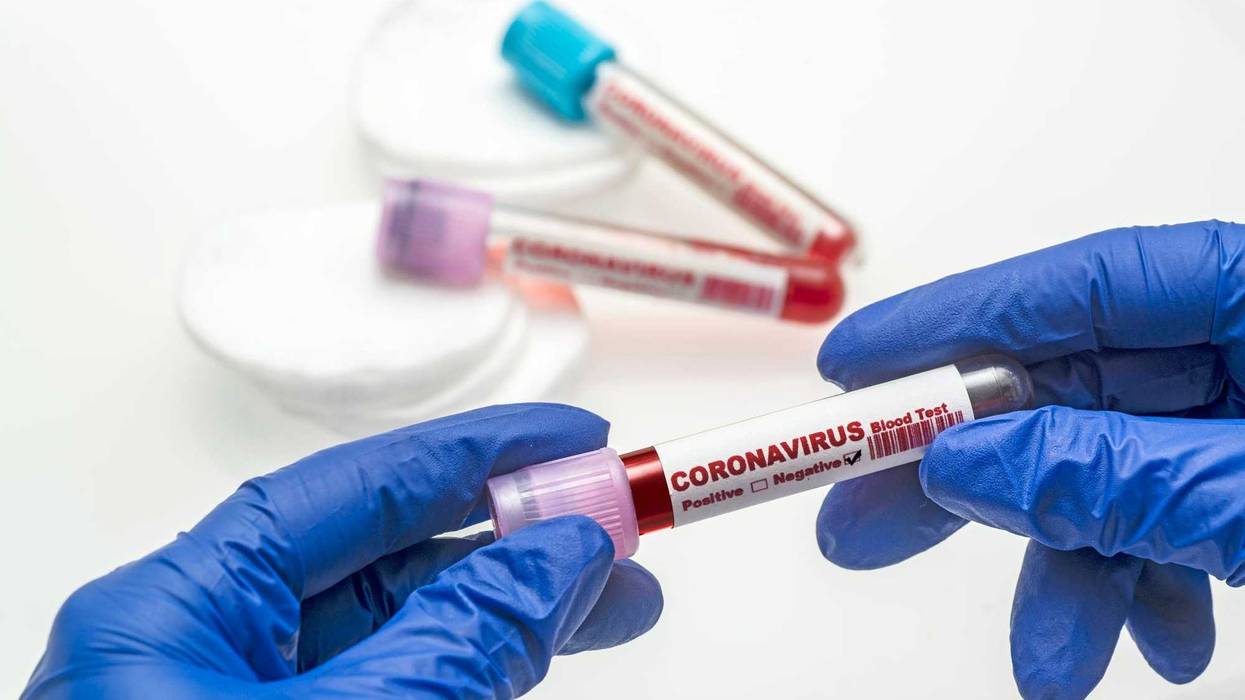

Minnesota is further restricting who can get tested for COVID-19 due to a national shortage of lab testing materials.
The Minnesota Department of Health (MDH) says they are shifting the testing criteria to focus on the highest priority cases, like hospitalized patients, ill health care workers and ill residents of group homes, such as long term care facilities.
"We need to be focusing on testing those individuals for whom the positive test will make a significant difference either in their care or for our health care system," said state epidemiologist Kris Ehresmann.
MDH informed healthcare providers of the new policy on Tuesday morning. In practice, this meant that some people who were told they needed tests were turned away at clinic doors, including Dan Edwards, 39, of Minneapolis.
Edwards, who works as a digital content manager here at News Talk 830 WCCO, started noticing flu-like symptoms on Monday morning, such as a sore throat and a headache. By late afternoon, he had developed a bad cough and shortness of breath.
That evening, he couldn’t reach his primary care doctor, so he filled out an online survey that indicated he should get tested. He called to schedule a test Tuesday morning, and eventually got through after being put on hold for more than an hour.
“I'm going to be sick regardless. And there's no vaccine for it. So it would've been nice to know instead of leaving my house,” he said.
Edwards' story mirrors the experience of patients across the state and country who have been unable to get tested. Governor Tim Walz sent a letter to Vice President Mike Pence last week calling for an increase in the number of COVID-19 lab tests available in Minnesota.
“We have been forced to ration the number of tests performed at our public health lab,” the letter states. “I call upon you to help ensure we appropriately prevent and mitigate the spread of the COVID-19 pandemic.”
According to MDH, older adults or people with severe underlying health conditions who suspect they have COVID-19 should reach out to their doctor or healthcare provider for recommendations. Anyone with symptoms should call ahead before seeking in person care.
As for people in relatively good health who suspect they may have COVID-19, like Edwards, MDH recommends that they stay at home while they recover. It’s advice Edwards says he'll follow, and he plans to use his self-quarantined downtime to learn to be a better cook.
“I'm reasonably young and reasonably healthy… it feels like a really bad flu. And after I've run a marathon,” he said.
MDH has set up a COVID-19 public hotline that is open 7 a.m. to 7 p.m. The hotline number is 651-201-3920.