

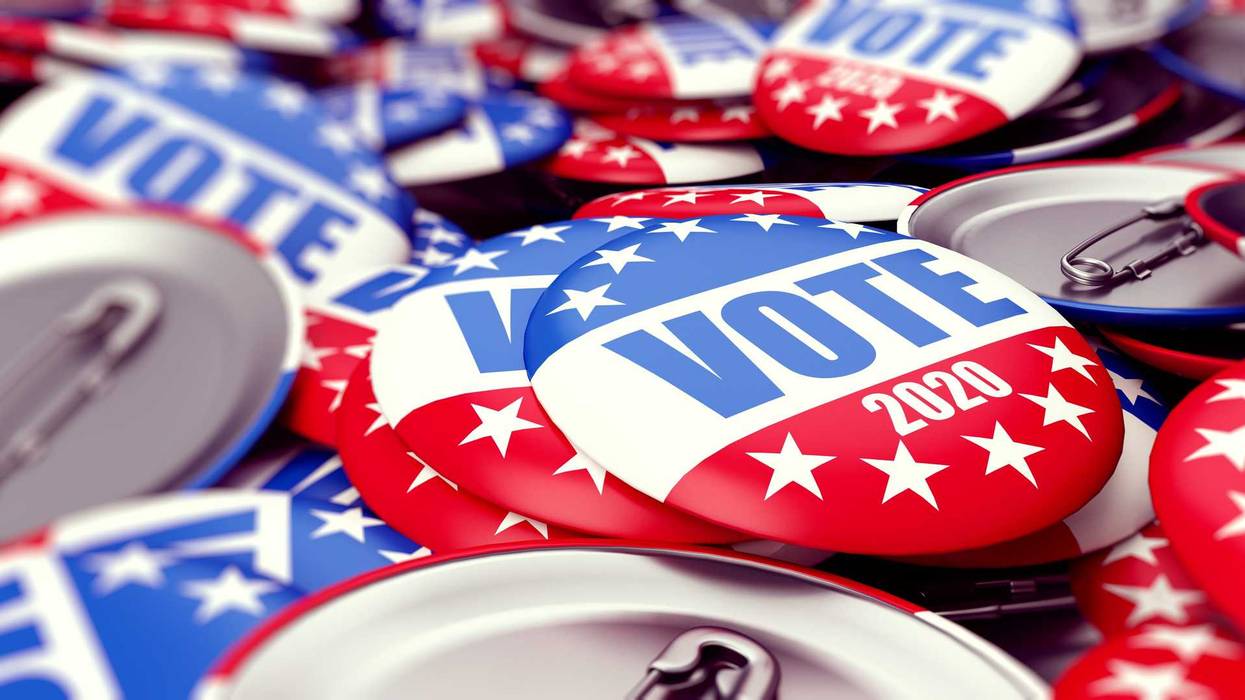

Amid a back-and-forth between parties over concerns about voter privacy in Minnesota's first primary election since 1992, officials reveal bipartisan legislation they hope to have in place by Super Tuesday.
According to Minnesota Secretary of State Steve Simon, it would do three things: restrict the sharing of voters' party preferences only to national party representatives, only for the narrow purposes set forth by the party and only for verifying participation; classify preference information as private data under state law which carries specific requirements for those receiving information; create an opt-out system where voters can choose to be taken off the list shared with parties altogether.
"The law does need to change," Simon said. "The national parties insisted in 2016 that their rules required a close primary that keeps track of who is a Democrat and who is a Republican. Voters in March 3 or beforehand will have to choose a partisan ballot. Their choice of ballot will be made available to all four major political parties in Minnesota. That creates a backdoor party registration system.
"And we have ever had anything like that in Minnesota. We don't register by party here, most states do. And even worse, there are no limitations in the law whatsoever on what the parties can do with that data. They can sell it. They could take it to a vendor. They could give it to a friend group. They can even post it online if they wanted to."
Simon mentioned small business owners, public employees, judges, clergy members, journalists or anyone who wants to keep their affiliation under wraps having a stake in this legislation.
Lawmakers were concerned the changes approved in 2016 would negatively impact voter turnout.
"I've had people connect with me and say I'm just not going to vote this year," Sen. Jim Carlson said.
Simon says his office has reache out to the RNC and DNC hoping the opt-out clause will be approved but he has "no reason to believe" that it violates rules.
Lawmakers voiced optimism the bill could be done as soon as March 3, but at least by the end of the legislative session which convenes Feb. 11.