


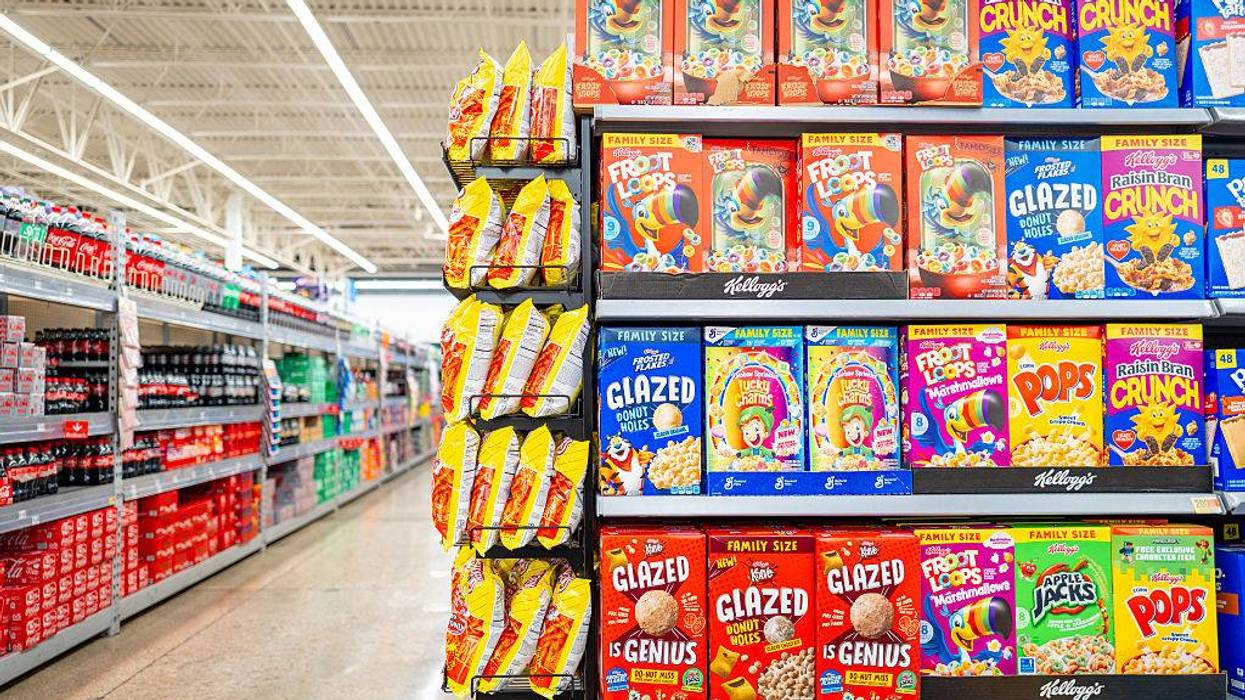

Some experts go so far as to say the typical American diet is killing us. At the same time, entire industries profit immensely by promising to help us get the weight off quickly.
How we got here is complicated, but how we get out may not be. WCCO's Laura Oakes has more in this month's “A Closer Look.”
Almond croissants encrusted in sugar. Hot honey focaccia. Sky high banana nut muffins. Not exactly foods one would consider healthy.
Or are they? Every ingredient in each of these sweet treats at a St. Paul neighborhood coffee shop is real. And while yes, there's plenty of sugar involved, none contain ingredients you can’t pronounce, unlike the long list of chemicals and additives often found on most packaged foods in our grocery stores.
What other things end up in our ‘food’?
“Corn syrup, corn syrup solids, maltodextrin, dextrose, xylose, high fructose corn syrup. And then these ingredients are subjected to industrial processing so that our systems can't handle it,” says former Food and Drug Administration Commissioner David Kessler.
He appeared on a recent episode of CBS's 60 Minutes.
"Over the last 40 years, the United States has been exposed to something that our biology was never intended to handle," says Kessler. "Energy dense, highly palatable, rapidly absorbable, ultra-processed foods that have altered our metabolism and have resulted in the greatest increase in chronic disease in our history. Type 2 diabetes, pre-diabetes, hypertension, abnormal lipids, fatty liver, heart attacks, stroke, heart failure. From our food."
According to the Centers for Disease Control more than 40-percent of adults in the U.S. are obese and more than 30% are considered overweight. The Midwest is among the regions of the country with the highest prevalence, though in Minnesota the rate has been dropping slightly after increasing for decades.
Experts say that may correlate with the rising use of GLP-1 medications, but it’s not clear if it’s the cause. Still, a trip through most any grocery store reaffirms ultra processed foods are a mainstay of the typical American diet.
Britni Vincent is a dietician at Nutritional Weight and Wellness in St. Paul.
"These foods are convenient. They're everywhere. They taste good. And so individuals are overconsuming them," says Vincent. "I'm not talking about real carbohydrates and avoiding fruits and vegetables, but it's these ultra-processed carbohydrates that are going to turn to glucose very quickly in our blood. Consuming them consistently over time, they're going to contribute to inflammation in our body. That can manifest as joint pain, high cholesterol, inflammation, high blood pressure, weight gain. And what I see too, just working with people individually, is that it often shows up as fatigue, brain fog, aches and pains. It can be disruptive to sleep. And the more we eat of these, the more we want."
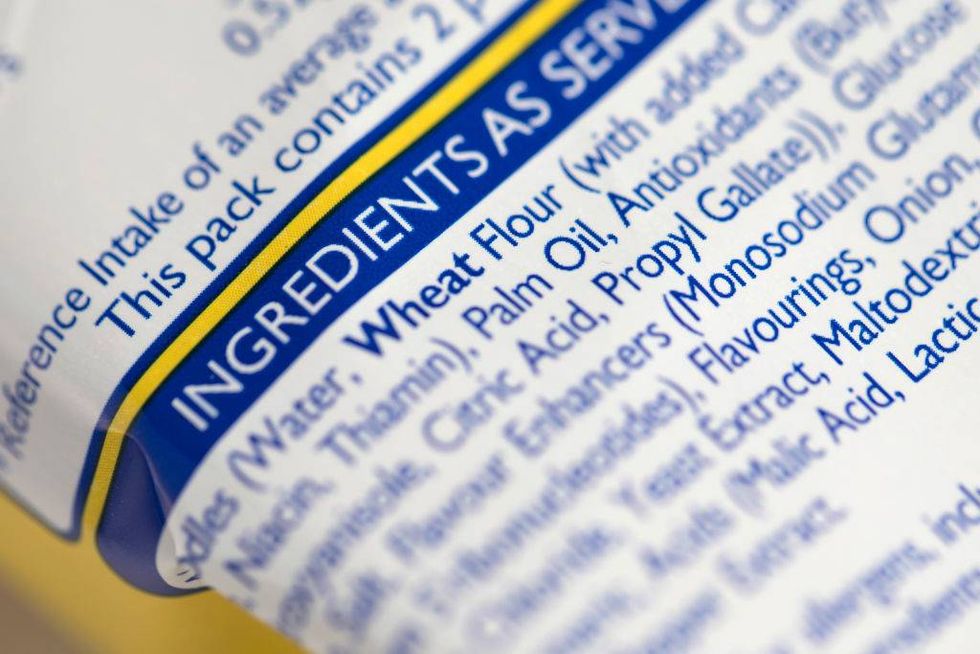
A typical nutrition label often contains ingredients you'd have a tough time identifying as "food."
(Getty Images)
The mounting evidence that “highly-processed” is bad for us
Yet, the world’s major food manufacturers continue to profit from the sale of ultra processed products like snack foods, soda, candy, and some lines of frozen meals marketed as healthy.
According to the public health journal Globalization and Health, ultra processing is a core strategy for maximizing company profits, and has been since the process was first introduced in the late 19th century.
That said, some so-called “Big Food” industry leaders have been responding to public health concerns, including Minnesota-based General Mills. The company has removed artificial, petroleum-based dyes from its school food service products and plans to remove them from all food products by the end of 2027.
In a statement provided to WCCO Radio, the company says it has been “committed to food safety for 160 years,” and has been “nourishing families with foods that are delicious, accessible, and meet a range of health needs,” adding they will continue to do just that.
However, in 2024 Consumer Reports and other watchdog groups called out General Mills for plastic chemicals known as phthalates in some of its food lines such as Annie’s, Yoplait, Progresso and Cheerios.
Phthalates can disrupt the body’s endocrine system and interfere with the production and regulation of some hormones. They’re not intentionally added to food, but are believed to leach into food through manufacturing equipment like PVC tubing and conveyor belts. A General Mills spokesperson says the safety of their food is, and always has been, their top priority and they stand by its quality.
At the federal level, Health and Human Services Secretary Robert F. Kennedy Jr. recently outlined new dietary guidelines that for the first time advise against highly-processed foods.
"We're seeing in our population people who are obscenely obese and at the same time malnourished," Kennedy said recently.
At David Kessler's and others' urging Kennedy is also working to get rid of a federal exemption enacted by Congress in 1958 known as 'GRAS' in the food industry - meaning "generally recognized as safe."
GRAS allows food companies to independently verify the safety of their ingredients without government oversight.
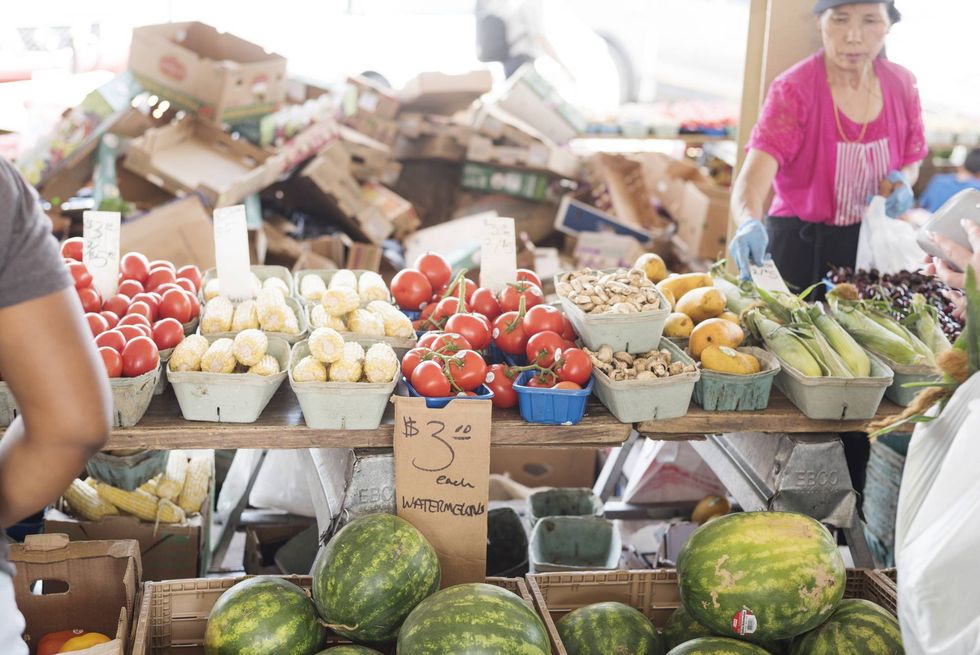
Food stand full of locally grown produce at farmers market, including watermelon and tomatoes.
(Getty Images / Ben Harding)
People are finding ways to “buy fresh” more often
Hence the boom in local farmer’s markets.
A recent University of Wisconsin Extension study showed there were more than 8,700 recognized farmers markets in the US, with 41% of Americans saying they visit one at least six times a year, and 75% reporting farmers markets help them eat healthier diets.
At the Linden Hills farmers market in south Minneapolis on a recent Sunday, Andre LaSalle was selling pasture-raised meat and eggs from his ForageScape Farm in Onamia, Minnesota.
Oakes: What have you been seeing in the last couple of years in terms of people trying to eat better, supporting local farmers, and eating organic? Are you seeing an increase in that?
LaSalle: I think so. I think a lot of people are aiming to do it for community resilience, trying to make their food chain a little shorter, doing it for their own health. And for environmental reasons as well.
Oakes: What are some of those environmental reasons?
LaSalle: Water quality is a big one. Big Ag and lots of row crop production can sometimes affect nutrient runoff into streams and rivers and whatnot. Also, there's effects like CAFOs, factory farm operations. So I think some people are trying to choose to spend their food dollar a little more locally with intention.
Oakes: What do you think the average person doesn't know that they need to know? What's been overwhelming to people who maybe don't come to farmer's markets and don't realize what they're buying at the grocery store sometimes?
LaSalle: I think marketing is a pretty big (one) that's pulled over people's eyes, all of ours, in every facet of our life. But especially food. There's lots of stuff big companies can get away with advertising as being homegrown or farm fresh when it's actually an industrial production. Marketing is a big one to look out for.
Across the parking lot, Menomonie, Wisconsin farmer Els Dobrick didn't have much fresh kale and other produce left. She says she’s noticed a big jump in awareness when it comes to eating locally-sourced, organically grown, real food.
"I think once people think about what they're putting in their bodies and what is put on the things that they're ingesting, they kind of start to think about it. I think people also recognize quality. They recognize that they can't get this anywhere else. They just can't. It's right out of the ground. It's been harvested so fresh, a day or two before, cooled properly, stored properly, and brought to market. They can buy it and it doesn't go bad on them. It hasn't been on a truck for three weeks."
From an overall health and awareness perspective, things are looking up. Dietitian Britni Vincent says it’s consumers who are driving that change.
"I am seeing more kinds of healthier convenience options like riced cauliflower in the frozen section, things like that," says Vincent. "And we're seeing less of those refined oils in products... like the seed oils, soybean, canola. You look at the salad dressing aisle and you know even five years ago there were not that many options that had an avocado oil or an olive oil base. But now you go there and you might find a few options, a few different brands, and I do think that that's just consumer-driven because people are more aware. They're wanting to eat more real food, they're trying to avoid these additives. I'm hopeful that's just going to continue to change over time."