



If you suffer from seasonal allergies, you might want to start taking medications now.
Pollen counts expecting to increase as we move through August, and Allergy and Asthma Specialists nurse practioner Kristen Weber says it's best to try to get ahead of the symptoms. She says some people find out the hard way. Weed pollen counts in Minnesota skyrocket by mid-August.
"They end up taking it for a few days and then stopping to see if they're better," Weber says. "But then they're not better, so they try to restart it and then they can't catch up. The nasal inflammation is already there, the eyes become irritated and that's hard to get rid of."
She says it's also a good idea to get a test to see what you are actually allergic to.
"Maybe it's not a pollen, maybe it's a mold that they're reacting to," Weber adds. "Or maybe it's an indoor trigger like a dust mite or a pet."
Due to the warmer temperatures we've had so far, and expect well into September, Weber says expect the allergy season to linger into late fall. The historical season for these pollens in Minnesota has also been increasing, with studies showing they've grown two to three weeks since the mid-1990s.
"You know that fall pollens bother you, you should be on your medications right now, and you're probably going to need to stay on it all the way into the first freeze," Weber says.
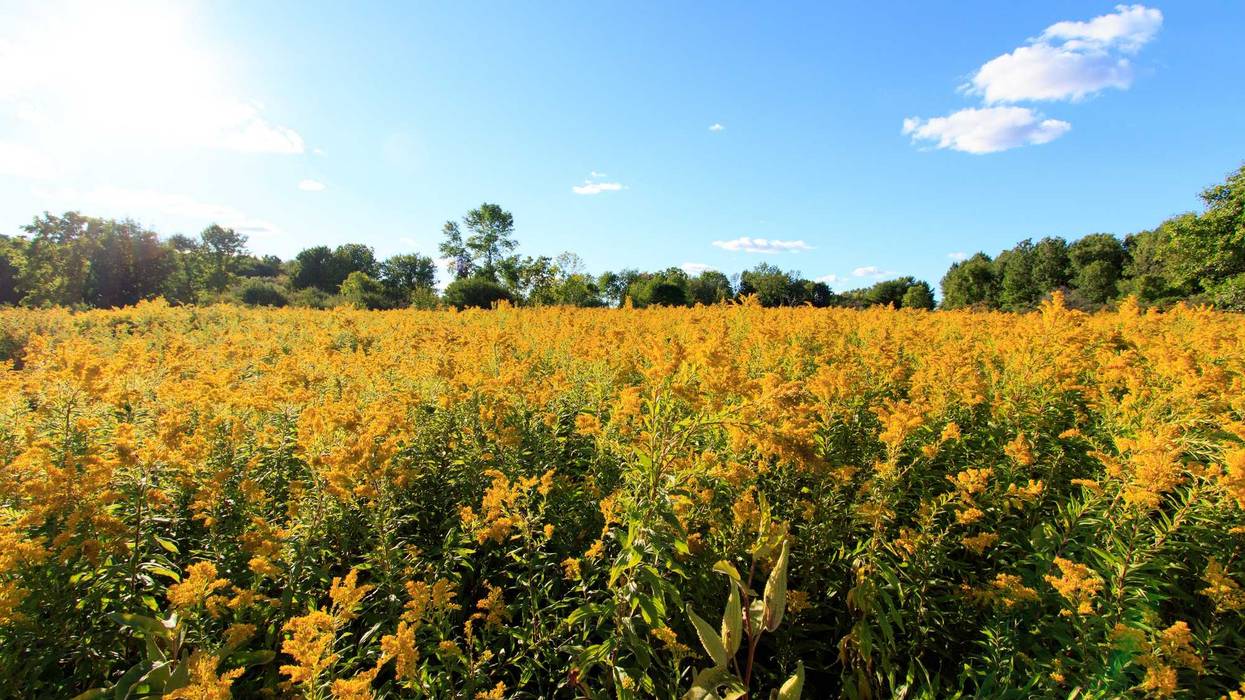
The lightweight pollen produced by weeds such as ragweed or goldenrod can travel on the wind for many miles. There are a few ways you can mitigate exposure, like keeping windows closed, avoiding the outdoors, especially in the morning, and showering at the end of the day to wash pollen off.
The most common ways to treat symptoms are with oral or nasal antihistamines and nasal steroids. You can also help your symptoms with saline sprays and rinses, like a neti pot, which can help remove allergens from the nose for natural decongestion.