


Bird flu appears to be expanding in Minnesota.
That is according to data from the Board of Animal Health.
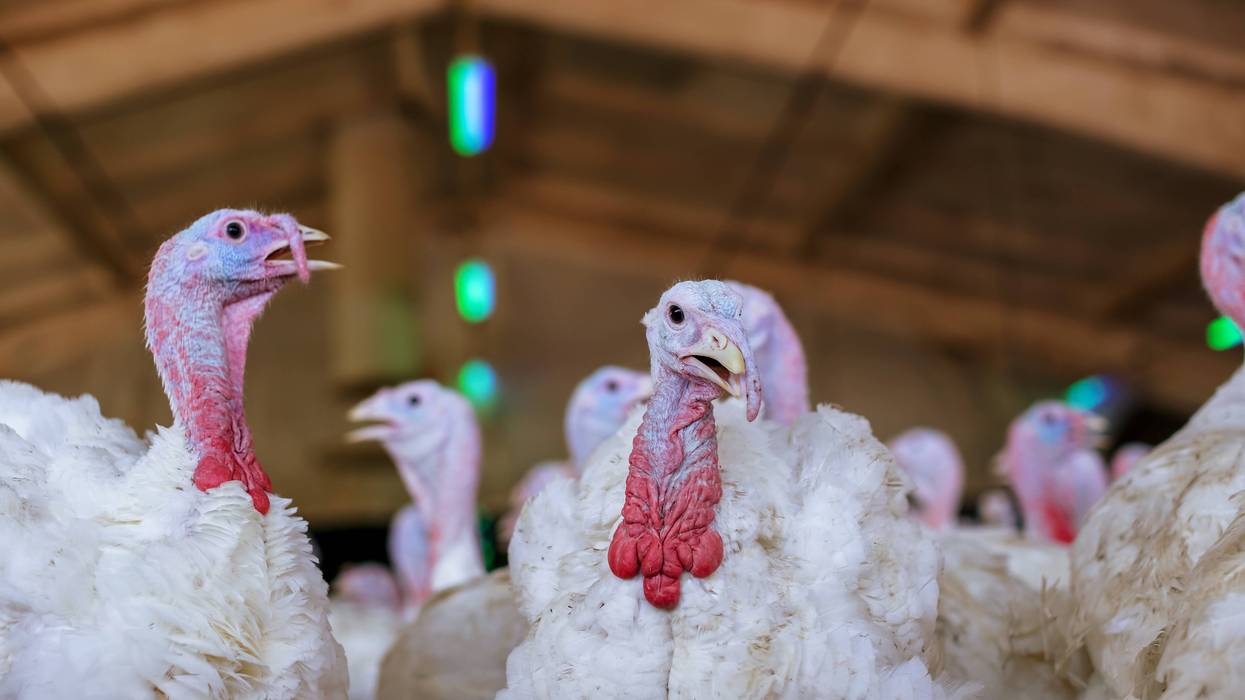
Three outbreaks were reported from September 10 through the 15 impacting over 118,000 birds, including at a pair of turkey operations in Big Stone and Becker County. There was also some reported and at a poultry breeder in Otter Tail County.
The Center for Infectious Disease Research and Policy at the University of Minnesota is reporting that 16 flocks have tested positive for highly pathogenic avian influenza in the past 30 days. That impacts roughly 400,000 birds statewide.
The issue facing producers is the spread of Avian flu from wild birds is something that's almost unpreventable, according to Shauna Voss with the Minnesota Board of Animal Health.
"During our spring and fall migrations when birds start to move, it kind of kicks off new outbreaks as the wild birds are carrying the virus with them," says Voss. "And then it does occasionally spill over into our domestic poultry populations despite some of our best efforts that we are using to try to control it."
The flu is fatal and can wipe out an entire flock in days but Voss says it doesn't put a producer out of commission.
"While it does mean the end of that flock, that does not mean that that producer is out of commission," she says. "They do have to go through virus elimination activities to make sure that the virus isn't contained on their farm, but then once they've met all of those requirements, they are allowed to restock with birds and start over."
Voss adds that while it can be alarming, the state and federal government have resources to help.
"We work well as a team in Minnesota with our USDA colleagues, with our Minnesota Department of Ag colleagues, with the Board of Animal Health and the producers to make sure that we detect these viruses early and take action to prevent it from just spreading uncontrolled within our domestic populations," she explains.
So far, the five affected flocks in Minnesota, along with four in South Dakota and one in Wisconsin, North Dakota, Montana and Idaho, are the only reports of Avian Influenza so far in the U.S. over the last 30 days.
Last winter, bird flu outbreaks in the U.S. helped drive up the price of eggs and poultry.
Minnesota Grocers Association President Patrick Garofalo told WCCO Radio in January that the destruction of those flocks is a primary driver in high prices.
"Consumers and businesses are suffering the consequences of this bird flu epidemic and all the chickens that have been slaughtered as a result of it. And your your independent grocery stores, they're suffering the pain just as much as everyone else."