

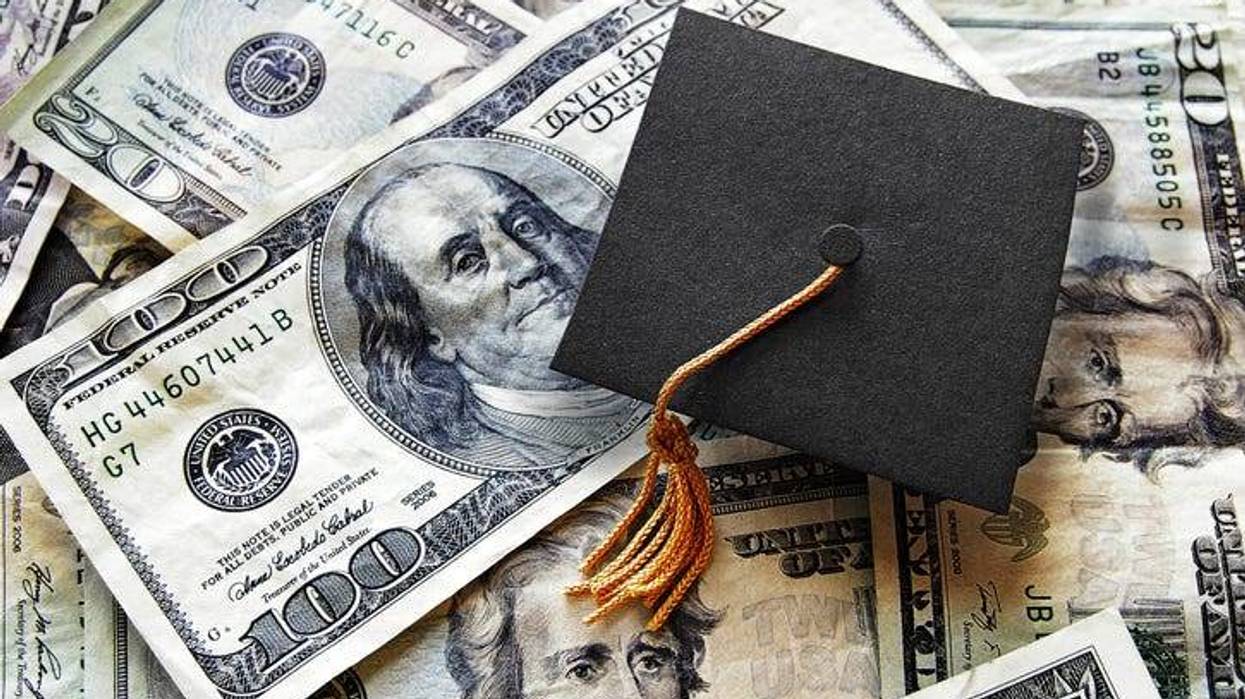

Major changes to federal and state student loans took effect on July 1. This includes stricter borrowing caps on graduate/Parent PLUS loans and condensed repayment plans under the federal "One Big Beautiful Bill Act," alongside the launch of a new Minnesota state loan program for graduate students.
Understanding what you're doing when you're borrowing this money and what ramifications there are when you have to repay it, is more important than ever, and families need help guiding students through it.
Jabra Kawas is Minnesota's first student loan advocate, part of the Department of Commerce. As part of Minnesota’s Student Loan Borrow Bill of Rights, the Student Loan Advocate works within the Minnesota Department of Commerce Enforcement Division to assist and protect student loan borrowers by helping them to resolve complaints about loan servicers related to student loans and repayment.
Kawas spoke to the WCCO Morning News with Vineeta Sawkar to clarify what is changing, and what parents and students should know.
Vineeta Sawkar: Tell us a little bit about what you have been doing these last two years in working with students, and navigating this very complex system of borrowing money for higher education?
Kawas: My role has been in existence for almost 3 years now. It was created by the legislature to kind of address the issues that we've been seeing in the world of student loans, and things have changed drastically over the last 3 years. (They) just changed once again July 1st with new repayment plans, new terms, new restrictions on financial aid, and loans for various programs. So it's really been shifting, but you brought up a good point. It's so important for people to understand where they're at and if they're just starting their student loan journey, to understand what the ramifications down the road may be.
Sawkar: Families get caught up in the spirit of it and say, 'all right, we're gonna figure out how to pay parent plus loans.' There's all sorts of different ways to do it, but once they leave college, those bills start coming and it looks like from what stats are showing, from the Federal Reserve Bank of New York, nearly 1 in 4 student loan borrowers across the country behind on payments. That's a significant chunk of people when you think about millions of Americans who just are not able to pay back these loans. What are the biggest things you advise students as they navigate it?
Kawas: I think the first thing is understand what you're getting into. It's a lot harder to do maybe when you're 18, 19, 20, might not have that foresight. But understanding the difference between the various loans, subsidized loans, unsubsidized loans, private loans, there's a lot of different restrictions. And private loans, for example, they don't carry a lot of the same protections that the federal loans do. So there's all sorts of different things that students and parents should understand, especially if the parents are helping their student by taking out, for example, a Parent PLUS loan like you mentioned.
Sawkar: When we're looking at the changes at the federal level that you mentioned at the beginning of July, how will that really impact things? Would these numbers increase where you're seeing more defaults?
Kawas: In my opinion, probably. I guess it's hard to be definitive about that, but from what I've been seeing and from what I've been hearing, student loan payments potentially are going up for many consumers. Doesn't mean all of them, but for many of them. And I think that's something that people need to be aware of. So one of the things that I encourage people to do is, hey, keep your contact information updated with your student loan servicer and with federal student aid. That way you're getting the most up to-date information, you're getting the most current updates that are going to be coming out regarding your repayment plans. That is probably one of the most basic things that I can encourage people to do. And if they are running into issues, if they're having questions, if they're having difficulty with their servicer, they can reach out to my office, and we will kind of advise where we can assist. We can't give legal advice, but we can certainly help people kind of understand what options there may be and help kind of untangle some of the confusion that may be around their student loans.
The changes impacting Minnesota students and borrowers include:
Graduate & Parent PLUS Limits: Federal Graduate PLUS loans are eliminated, and annual borrowing is capped at $20,500 per year with a $100,000 lifetime limit for graduate students. Parent PLUS loans are capped at $20,000 per year and $65,000 lifetime per student.
New Minnesota Graduate Loan: In direct response to the federal cuts, Minnesota launched the SELF Grad Loan, offering fixed interest rates determined by your choice of repayment term (10, 15, or 20 years) rather than your credit score.
Repayment Plan Overhaul: All existing Income-Driven Repayment (IDR) plans (including SAVE, PAYE, and IBR) are being phased out. Borrowers are now restricted to two federal options: the traditional Standard Repayment Plan or the new income-based Repayment Assistance Plan (RAP).
Learn more about Minnesota's Student Loan Advocate program here.
Jabra Kawas, Minnesota's first student loan advocate, spoke to the WCCO Morning News with Vineeta Sawkar
Jabra Kawas, Minnesota's first student loan advocate, spoke to the WCCO Morning News with Vineeta Sawkar