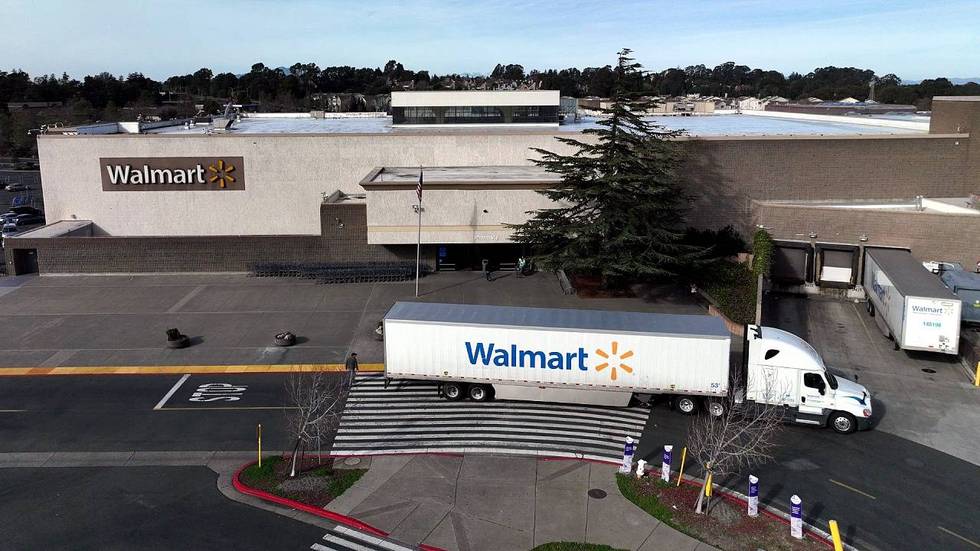


Retailer leaders are warning that rising diesel prices will inevitably hit consumer wallets as the holiday shopping season looms.
Diesel is now over $6 a gallon nationally, and that spike at the pump is quietly pushing supply chains to their absolute limit, according to Minnesota Retailers Association president Bruce Nustad.
He says while local stores are currently trying to absorb those expenses, you might already be paying more for certain items.
"Furniture, and appliances, and building materials, those things that are very obvious that they're heavy and bulky," says Nustad. "However, you think of clothing, electronics, even in some cases some seasonal merchandise that are imported long distances, you might feel that pressure a little more."
Nustad says industry leaders will now watch closely to see if these sustained fuel pressures collide head on with upcoming holiday sales, and specifically Black Friday discounts.
Those high fuel costs are also putting mounting pressure on food supply chains.
According to Minnesota Grocers Association President Patrick Garofalo, surging operational expenses and record diesel is weighing on local supply networks. He says these extra expenses will inevitably lead to one thing.
"Whether it's higher diesel prices, higher property taxes, higher labor mandates from government, it's important that people realize grocery stores don't pay these costs," Garofalo adds. "They get passed on to consumers like any other input cost."
Garofalo says industry leaders and lawmakers will now have to figure out whether temporary tax relief or policy tweaks will need to be made to keep grocery bills from climbing even higher.
In August, the year-over-year increase of gasoline jumped over 27%, and is significantly responsible for the increase in inflation numbers. It's pushed year-over-year jumps in energy costs (+16%) and groceries (+2%).
U.S.-Iran and Ukraine-Russia wars continue to drive up prices
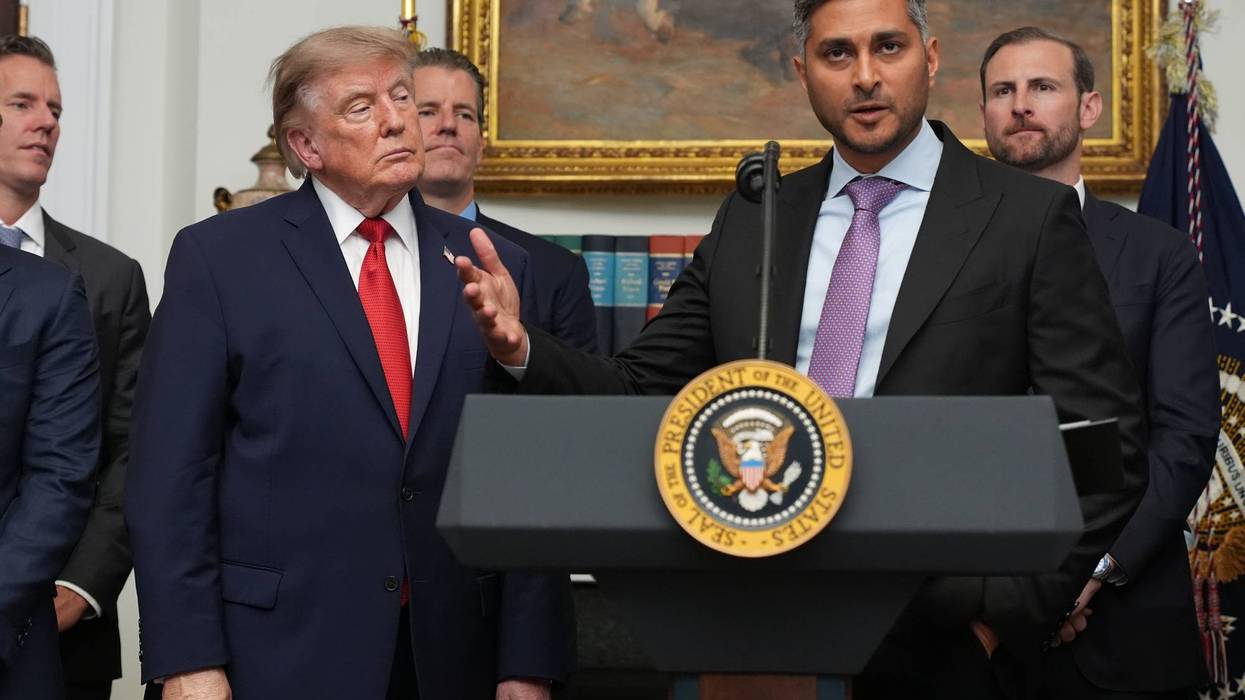
Must of the increase is tied to the ongoing war in Iran, and the issues with getting shipping through the contested Strait of Hormuz, which is driving down supply and driving up prices globally. As President Donald Trump proclaims the U.S. is open to a possible deal with Iran, oil and gas prices spiked again overnight.
"Supply chains all feeling this from top to bottom," says fuel analyst Patrick De Haan of Gas Buddy. "Truckers paying more for diesel, record-setting prices. In California, we're now seeing diesel prices close to $9 a gallon. So the next time consumers go to the grocery store, the next time they buy something online, they will likely be noticing an impact of a trickle down effect."
That is worrying some Americans as some low cost options are beginning to dry up. Gas is now averaging $4.29 a gallon, and diesel $6.19 if you're keeping trac that's up 32 cents in just the last week. Many families turned to big box stores for savings, but now Costco is rationing its Kirkland Signature Motor Oil.
That could also be an issue going into winter, especially in the Northeast where there are a number of families that still use oil to heat their homes. They could see a more than 30% increase in their bills this fall. Those using electricity for heat could pay 9% more.
President Trump has tried to temper Americans' concerns, blaming the rising cost of diesel on the Russia-Ukraine war, not Iran. Trump announced Monday that Ukraine and Russia have agreed to stop attacks on energy and fuel supplies but Ukraine's President says "that's only a proposal."
Markets initially dropped prices on the news, but that was short-lived. Oil is trading back up above $100 per barrel. De Haan told ABC News that the war in Ukraine has a lot to do with that.
"Traditionally, Russia is a producer of one out of every nine barrels of diesel produced globally," he explains. "That number is now zero. They have banned the export of diesel. And that is a primary ingredient for why diesel has gone through the roof."
"It's important that people realize grocery stores don't pay these costs, they get passed on to consumers"
"It's important that people realize grocery stores don't pay these costs, they get passed on to consumers"