

Minnesota-based Target is among several companies, including nine airlines, being investigated by the Federal Trade Commission on the use of personal data to set prices and compensation.
In a statement, the FTC says consumers deserve to know whether companies use their web-surfing habits or other personal data to estimate the highest price they can charge each consumer.
The orders were issued to Delta, United, JetBlue, Lyft, Uber, DoorDash, Instacart, Target and Walmart.
“We intend to scrutinize the opaque methodology that some companies in these industries may be using to determine how much consumers pay or how much gig workers are paid for the same product or service,” said FTC Chairman Andrew N. Ferguson. “Consumers deserve to know whether companies use their web surfing habits or other personal data to estimate the highest price they can charge each consumer. Workers also deserve to know if their compensation is affected by how companies use their personal data.”
Target has already gone on record saying they do not use personal information to raise prices for guests, based on who they are, where they live, or when they shop.
"Everything we do starts with our guests," Target recently said in a statement. "That means delivering value guests can count on and being transparent about the prices in our stores, on Target.com and in the Target app."
Thrifty Traveler's Kyle Potter told the WCCO Morning News with Vineeta Sawkar that what the FTC suggests about the airlines likely isn't even possible for U.S. airlines, and believes it is driven far more by high demand.
"I will say that for as frustrating as airfare is for as certain as everybody out there, is that every time that they've ever looked at a flight, gone back an hour later and seen that fares are up to $50, and they're certain that that means that airlines are tracking their searches and adjusting prices accordingly, that is just not how airfare works," Potter explains.
He says that airlines are far more 'old-fashioned' in their approach to setting airfares. And their technologies are shockingly old.
"The way that airlines set airfare, the technological systems that they have are so out of date, shockingly out of date, like from the 1990s," Potter told Vineeta Sawkar on the WCCO Morning News. "They don't have a mechanism today to actually personalize pricing in the way that the FTC is suggesting."
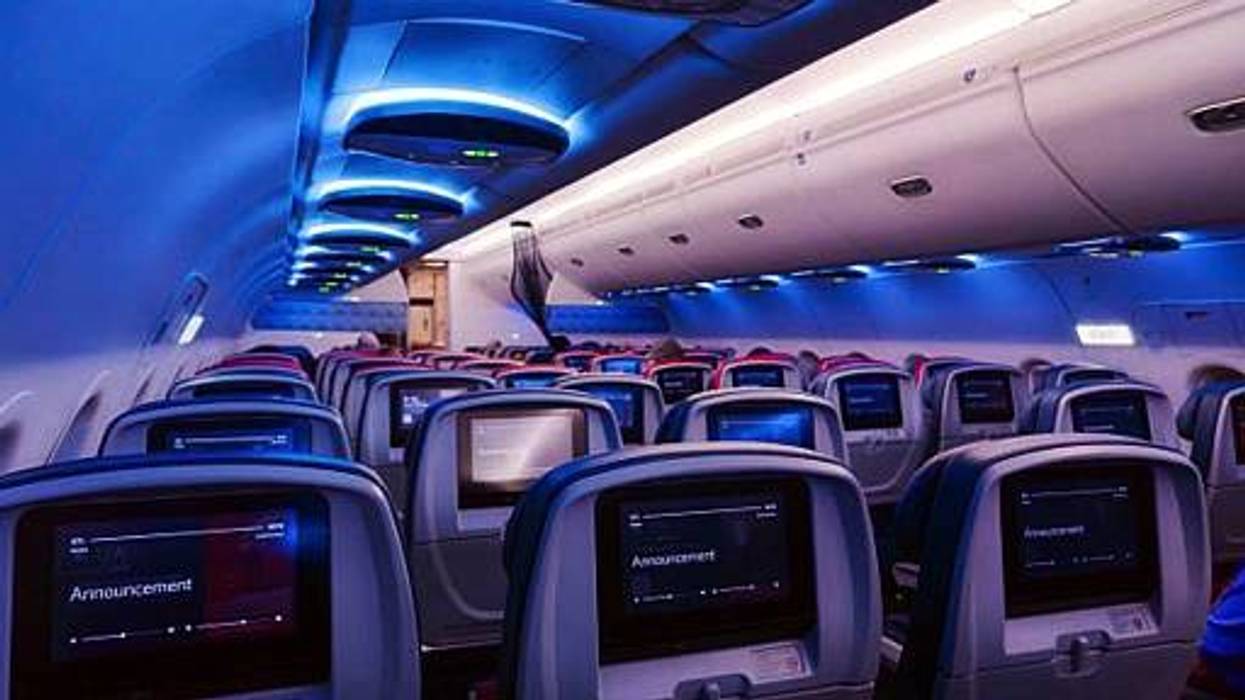
Airline prices are already sky-high, with fuel costs and high demand - especially for premium airfare - forcing travelers to fork over significantly more money heading into the holiday travel season. Average domestic round-trip tickets for Thanksgiving have climbed approximately 31% to 39% higher than last year.
MSP Airport is among the most expensive in the U.S. along with Detroit. Both are Delta hubs where the airline has dominated routes and faces little competition. Potter says that even if they're not personalizing prices for individuals, there is little reason to trust that airlines are doing right by travelers.
"Let's be clear, for as much as I want to caution people to not jump to conclusions or believe that the assumptions that they have about airfare is that is how this world actually works, there is no reason to trust airlines," he says. "Airlines do plenty of things that are questionable at best. That may still not be true surveillance, personalized pricing, whether it's charging solo and business travelers more. Even the highway robbery prices that travelers here in Minneapolis see right now. But a lot of that is just dictated by the good or not so good old fashioned way of setting fares, which is really just about supply and demand."
The exit and collapse of Spirit Airlines and struggles among other ultra-low-cost carriers, such as Allegiant-owned Sun Country in the Twin Cities, have reduced budget capacity on many popular routes. That loss of competition is allowing Delta, America, United, and Southwest to drive prices much higher.
Potter also says that he's hopeful there are several areas the FTC will explore, including upgrades that he says are full of 'shenanigans.'
"Once you're in the airline's ecosystem, I think there might be much more opportunity for them to play these kinds of shenanigans using your personal data," Potter adds. "And looking at your purchase history with the airline and saying, 'you know what, we know that Vineeta, because you paid $300 to upgrade to Delta First flying to San Diego a year ago, that we don't need to offer you $250. We can probably get $450 out of you next time.' Those are the kinds of things, and again, I'm just kind of throwing some things around here, but that is a different beast than just the airfare question."
The FTC says that each company must turn over information that will "allow the agency to assess whether the pricing for a ticket, ride share, food delivery or other product or service varies from one person to the next based on factors such as participation in loyalty programs or analysis of personal data by superintelligence algorithms."
They also add that if a company fails to turn over the required information, the Commission has the power to compel them to comply in federal court.
FTC says consumers deserve to know whether companies use personal data to estimate the highest price they can charge
FTC says consumers deserve to know whether companies use personal data to estimate the highest price they can charge