

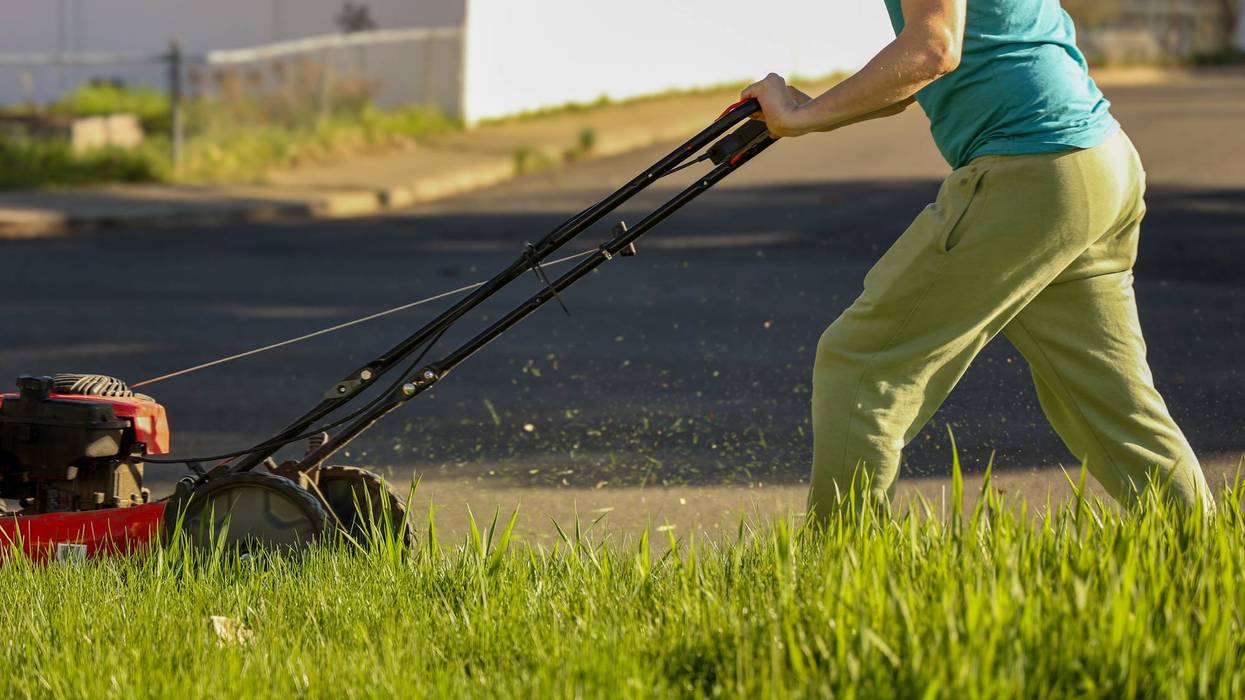

University of Minnesota experts are recommending a "slow mow summer" instead of a "no mow May."
The reason? To better support Minnesota's bees and pollinators. This shift is meant to protect vital habitat and chemical-free foraging spaces at the beginning of spring. But really, it is important all the way through fall.
"If you just don't mow your lawn in May, if you don't have flowers in your lawn, that's not going to do anything for pollinators," explains Pollinator researcher at the University of Minnesota Elaine.
She says by avoiding herbicides and leaving messy corners in the yard for bees to nest in, residents can protect habitat for various species that don't emerge until later in the season. Although it can be tempting to clean up your yard in spring, hibernating pollinators often need a bit more time under the leaves before they can safely emerge.
"Make sure that you're making safe homes for those pollinators as well, because they don't just need food to eat, they need places to live," explains Evans.
She says for local gardeners looking to get more involved, there are online resources like the University of Minnesota Bee Lab to help them select native seeds that can thrive under regular mowing schedules.
"It can be not great for your lawn to just let it grow too long and then mow it," says Evans. "So, the idea with changing to slow-mo summer is having more attention to what you're doing. When there are things flowering that are in your lawn, waiting for those things to be done flowering, and then mowing."
In order to set seed and reproduce, many plant species rely on animal pollinators to move pollen from flower to flower. There are thousands of insect pollinator species in Minnesota, including over 500 species of native bees. Bees are the most efficient of the pollinators, making their presence crucial for habitats all around the world.
According to the Department of Natural Resources, Minnesota’s pollinators face challenges on many fronts, including habitat loss, pesticides, climate change, diseases, and parasites. Some native species, like the rusty patched bumble bee (Bombus affinis) and Dakota skipper (Hesperia dacotae), have experienced drastic declines in population and distribution. Several Minnesota insect pollinator species have been listed as threatened, endangered, or species of concern, but for many others we lack data on population trends.