

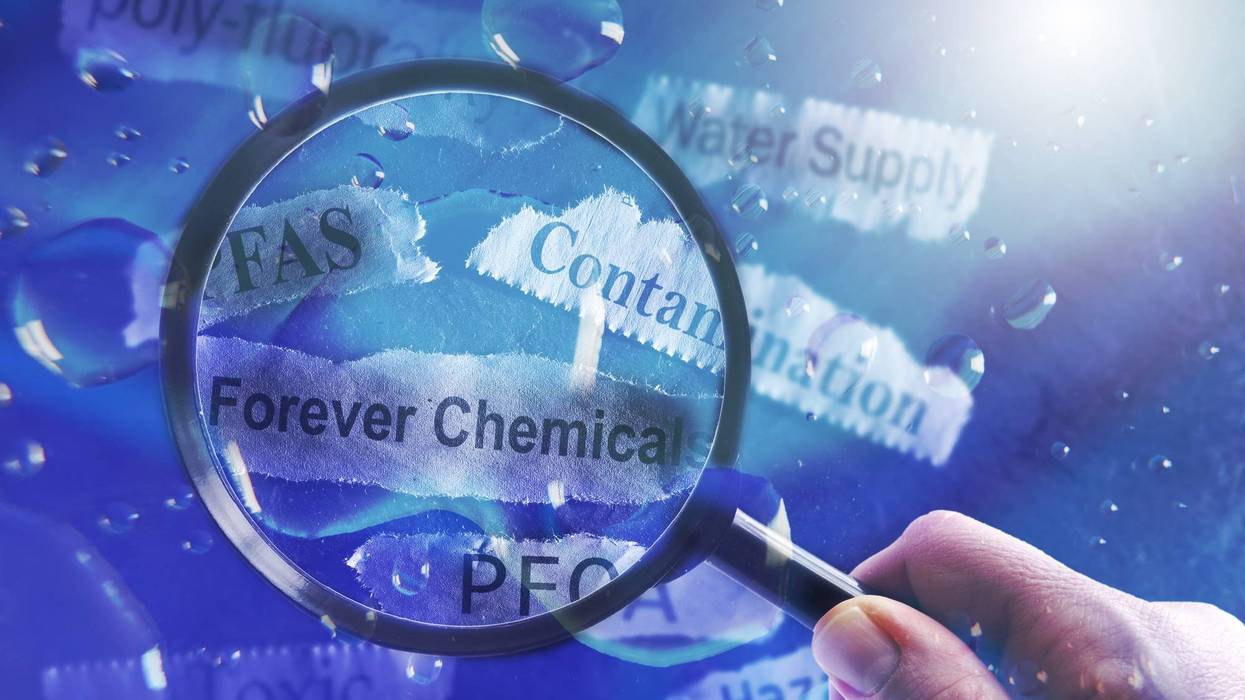
The Minnesota Pollution Control Agency's has launched a first of it's kind "forever chemicals" tracking system.
The new database tracks chemicals coming from consumer product manufacturers to prevent contamination before it reaches waste streams.
MPCA Assistant Commissioner Kirk Koudelka says it's designed to help both businesses and the public identify and phase out these toxic substances.
"In 2032, all intentionally added PFAS and products will be banned," Koudelka explains. "So this puts companies on the path of knowing, this is where we have our PFAS footprint in our products, and now I need to spend from now until 2032 determining how I'm going to remove that, and put in alternatives."
He says they estimate that about 5,000 to 10,000 manufacturers will use the reporting system that's set to be fully functional by July 1.
The system, called PRISM, is designed to detect and intercept these chemicals from manufacturers already in Minnesota, and those shipping to the state.
"We'll have a really good understanding of where PFAS is in our products, and so if there's a sector that's heavily invested in PFAS and we wanna phase them out, we can then build technical assistance or financial assistance efforts to help with that transition," Koudelka said.
Despite some industry pushback, Koudelka says the project is vital to public health, and that the state would face a staggering $28 billion cost if it tried to manually clean it's water rather than stopping the chemicals at the source.
The problem might be what already exists. A new report from the Associated Press says there is growing concern about these chemicals showing in in drinking wells. Studies have suggested drinking even a small amount of them over a lifetime can be dangerous. Government estimates suggest as much as half of U.S. households have some level of PFAS in their water — whether it comes from a private well or a tap.
And while the federal government has set strict limits on forever chemicals in drinking water that comes from public utilities and requires testing. But those rules don’t apply to private wells, which can leave people near industrial sites unaware they are consuming contaminated water.