

Welcome to Minnesota, where it refuses to snow? That's a new twist.
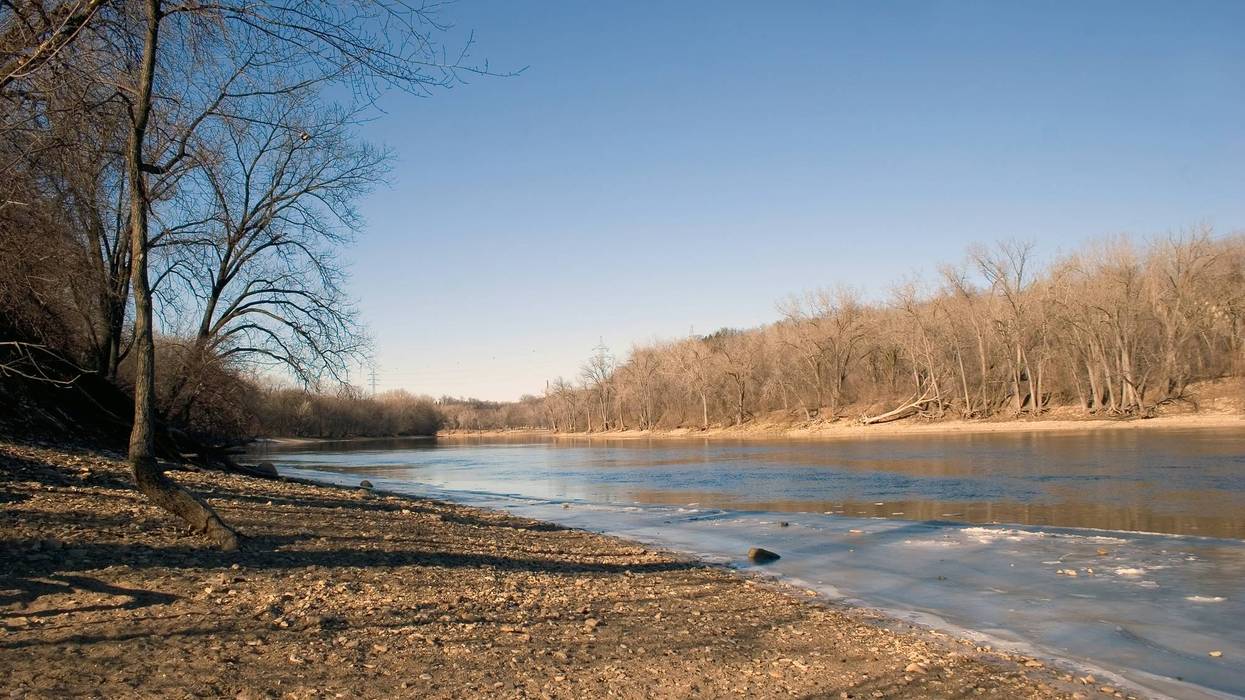
Already, the Twin Cities has set a record for the latest date without any snow. And that looks like it'll continue for a bit.
November 22nd set the new record for the latest the metro has gone without any flakes. And Thanksgiving week looks dry, even if it is a little colder.
The National Weather Service said the region's first measurable snowfall typically arrives in early-November. But not this year, and it's actually leaving the state in a snow drought, says DNR climatologist Pete Boulay.
"Obviously we're way behind in the Twin Cities here," Boulay explains. "We're 5.1 inches short of normal so far. It seems like it should be more, but we don't really get going with the snow season until really we start getting into December around here. So, you know, there's hope for snow yet."
The northern part of the state did get a little snow, but even there it's been way short of normal. You can blame El Nino, which has an outsized impact on temperatures in the Upper Midwest, or you can blame climate change - either way, it's way past normal in 2026.
"Duluth had tenth of an inch of a measurable snow Sunday, November 22nd, so they're the first station to measure snowfall," Boulay says.
As for what lies ahead? Well, above normal temperatures after this week, which looks dry according to WCCO-TV Chief Meteorologist Chris Shaffer who adds that's at least good news for Thanksgiving travelers.
"The best news is there's no snow or rain in this forecast," Shaffer said on the WCCO Morning News. "So any travel you have, whether it's northern Minnesota, Wisconsin, heading to Iowa, the Dakotas, no problems. It's gonna be dry right through Thanksgiving."
That dry weather continues right through the weekend, and temps will warm up slightly from early this week, reaching the low to mid 40s. That means no snow into December, which has never happened as long as records have been kept in the Twin Cities.
The long term forecast shows that warmer than average bias continuing into the first full week of December. Anything that does fall is likely to be more rain than snow.
Boulay also says the ground is not frozen, so even if we get rain, it's helpful to adding moisture to the soil.