


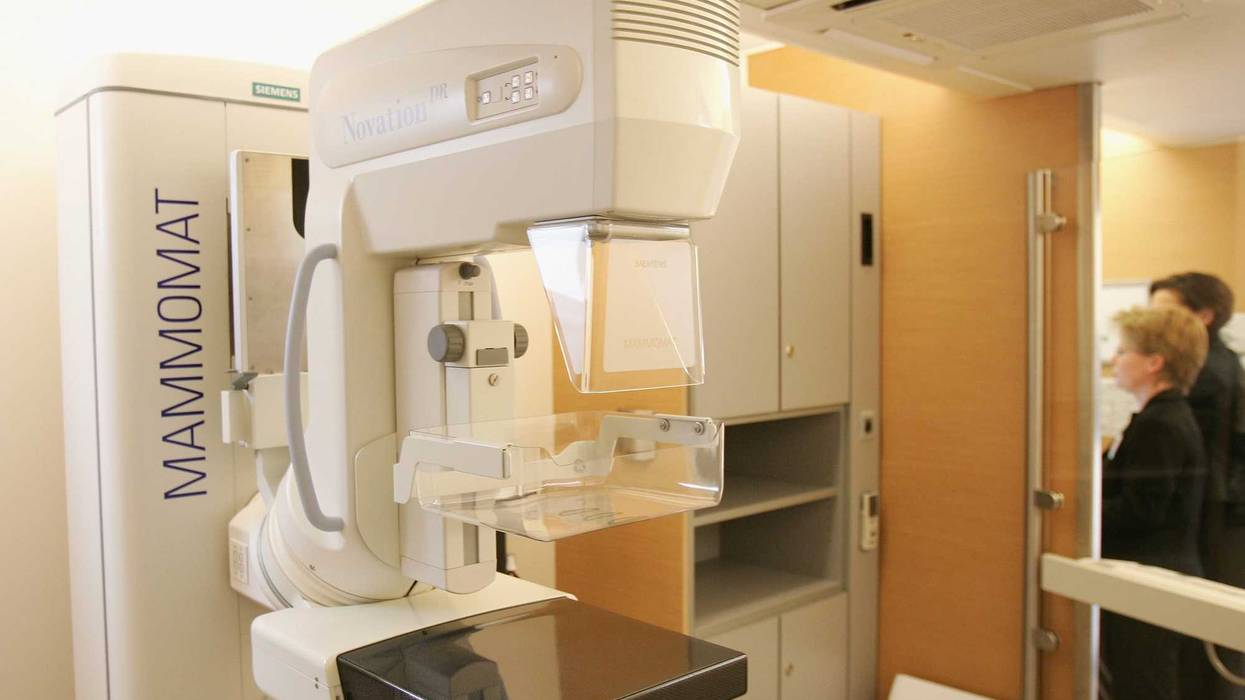

Sometimes transgender patients don’t know if they should get screened for breast cancer—but sometimes the doctors and mammography technicians don’t know, either, said one health provider who is working to help change things.
“Many providers just weren’t sure,” said Nicole Owens, a mammography technical consultant for Allina Health. “If the providers weren’t sure, and the patients aren’t sure, and the mammo techs aren’t sure, there’s this really big question mark over everybody’s head.”
Allina and other providers have come up with a guideline for who should get screened for breast cancer and other common illnesses—and when.
“The current guideline that Allina Health is using is if a person has taken feminizing hormones for over five years, they should be then be screened at the same regular interval that patients that are born as female are screened,” said Owens. She said the goal is to educate as many providers and patients as possible to make sure everyone is staying on top of catching preventative conditions in a timely fashion.
Too often, she said, transgender patients—including men and women—were anxious about getting screened for a variety of reasons.
“To see patients physically sick and anxious and in tears about having this exam I’m usually excited about giving to people really made me shift the way that I approach my job,” Owens said. She’s helped form advisory committees made up of providers and transgender patients to help spread the word and educate as many people as possible.
Owens also said many transgender men should consider screenings, especially if they have not had any type of surgery to reduce the breasts they were born as females with.
“Now has it has become something almost traumatic for these patients to get that body part screened--a body part they’re completely attached to, even sometimes ashamed of,” she said.


