

"It's about time." Or? "What have we done." Those are the two most likely reactions you'll hear or see now that a moratorium on mining near the Boundary Waters Canoe Area Wilderness has been lifted by the U.S. Senate.
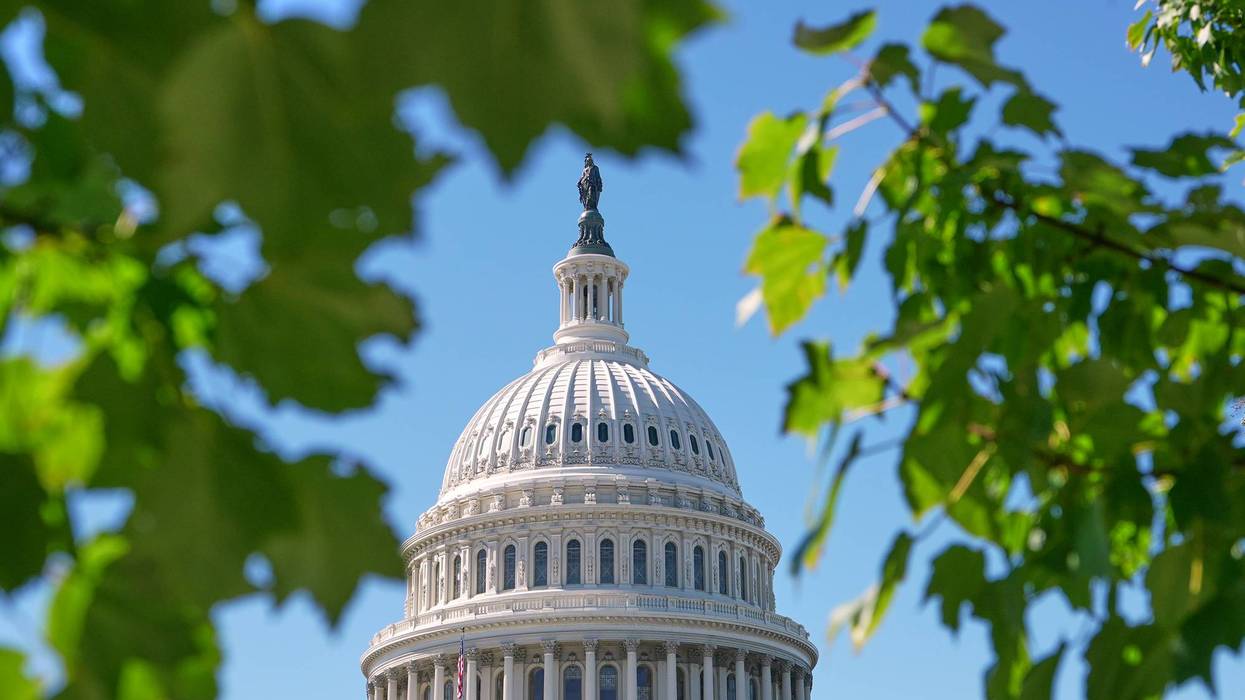
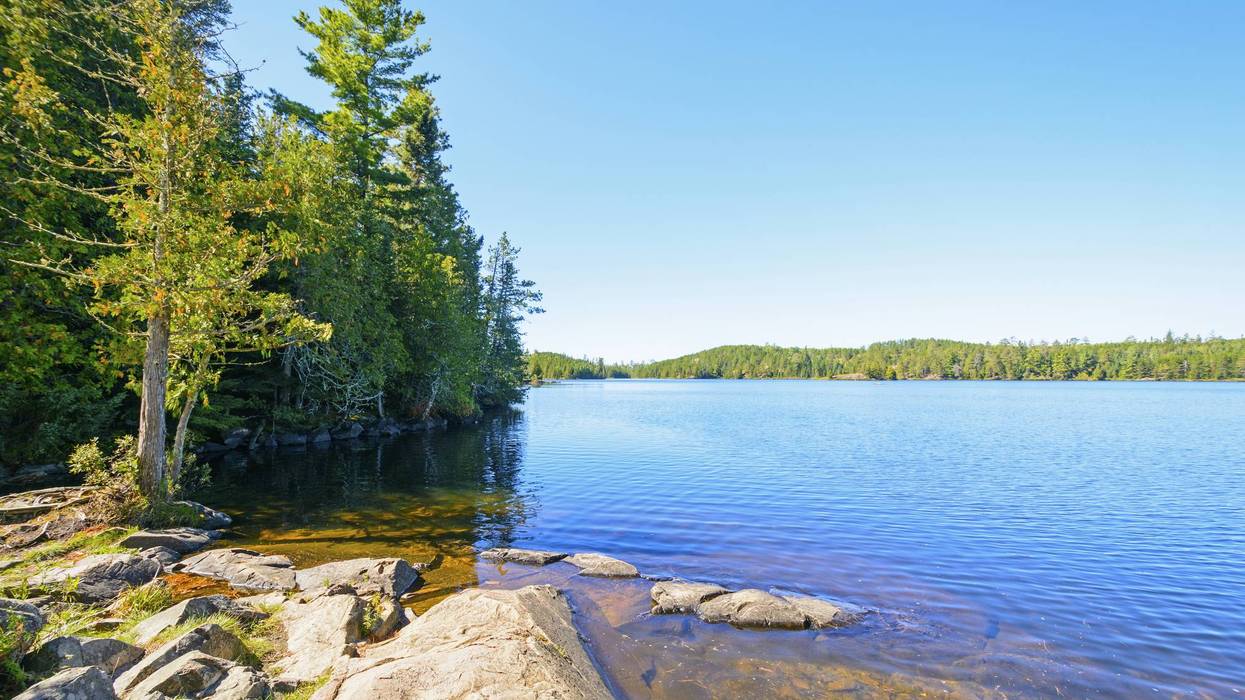
A Senate vote to lift a ban on mining Thursday could allow it to happen within the same watershed as the Boundary Waters Canoe Area Wilderness in northern Minnesota.
Reaction has come from both sides: either thrilled with the economic prospects of a new Copper-Nickel Sulfide mine run by Chilean company. Or terrified of the potential pollution in one of the most pristine wilderness areas still remaining in the U.S.
The vote in the Senate followed a resolution in the U.S. House that passed earlier this year, and will now head to President Donald Trump's desk where he is sure to sign it.
Democrats argued on the Senate floor that lifting the ban would set a dangerous precedent that could lead to lifting protections on public lands across the country. Minnesota Sens. Amy Klobuchar and Tina Smith warned Republicans were stealing part of their state's identity.
But Rep. Pete Stauber, who represents that section of Northeast Minnesota, the Iron Range and BWCA, called it a major victory for Minnesota's 8th Congressional District.
"The Senate just passed my bill to reverse Biden’s illegal mining ban in the Superior National Forest – it’s now headed to the President’s desk! Mining is our past, our present, and our future – and the future looks bright," Stauber wrote on social media.
Ingrid Lyons is executive director of Save the Boundary Waters, and her reaction was far different, calling it a betrayal.
"This is a dark day for the boundary waters, no doubt, but also a dark day for public lands across the country," Lyons warned. "And I think what's really important right now, as we reflect on this vote, is also holding people to account. Because, you know, the lawmakers who voted in favor of this resolution, they flew in the face of their constituents."
Sen. Smith noted that roughly 70% of Minnesotans oppose such mining, while asking the Senate to leave the moratorium in place. That didn't happen. It passed with a 50 to 49 vote. Two Republicans voted with the Democrats.
“You can support mining, but that does not mean you support every mine in every place,” Smith said.
The measure reverses a 20-year moratorium on mining and mining activities on more than 225,000 acres of Superior National Forest land in the Rainy River Watershed. That was put in place by the Biden administration.
"You know, I think that this was a really a lost opportunity for our government to have a nuanced conversation about how we fuel our American economy, how we support our domestic supply, and how we move with intention into the 21st century," Lyons said.
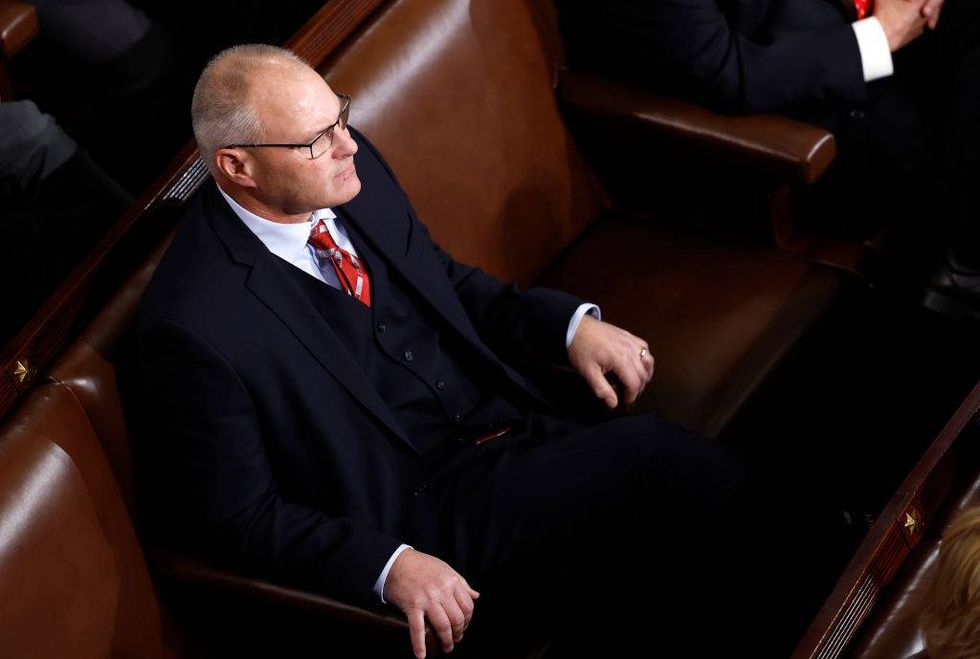
Minnesota Rep. Pete Stauber, who represents that section of Northeast Minnesota, the Iron Range and BWCA, called it a major victory for Minnesota's 8th Congressional District.
(Photo by Anna Moneymaker/Getty Images)
Minnesota Republicans back the Senate vote
Proponents like Stauber say allowing copper and nickel mining in the region will create jobs and offset those being lost in the taconite industry.
Minnesota House Speaker Lisa Demuth, who is running for governor against Sen. Amy Klobuchar, used the vote to call her out for not supporting the economic opportunities from the mine.
"Today, Amy Klobuchar voted NO to repeal Democrats' ban on safe mining in northern Minnesota, officially turning her back on job creation, economic revitalization, and American ingenuity," Demuth said. "Minnesota can be a nationwide leader in mining, responsibly developing our God-given natural resources while creating jobs that can support families throughout the Iron Range."
Minnesota U.S. Rep. Brad Finstad also offered up congratulations to Stauber, and the bill's passage.
"I was proud to cosponsor this legislation, which serves as an important step toward restoring America's critical mineral supply chains," he said.
Former Governor says blame belongs to both parties
Former Minnesota Republican Governor Arne Carlson tells WCCO's Adam Carter that the failure to protect the Boundary Waters from mining is a failure that goes far beyond this Senate vote, and runs the gamut of politicians and state officials.
"I would add this, it's not just Pete Stauber," Carlson said Friday. "You can't legislate in a vacuum. The real question is, where is Governor Walz? Where is the Attorney General Keith Ellison? Where are our legislators, Democrat and Republican? Silent. And they've been silent now for the better part of over 10 years. They have refused to hold a single hearing on the dangers of sulfide mining, the protection of our drinking water, and the environmental past of all the international mining conglomerates. And the enormous destruction and illegalities they have engaged in. Not a single hearing."
Carlson, who has long been a critic of money influencing politics to the detriment of U.S. citizens, says this is just one more example.
"The whole thing really stuck with the invasion of big money buying, frankly, American public policy," said the former governor. "The University of Minnesota in 2021 put out a report talking about how big money was able to 'shape legislation in the Minnesota legislature.' That's called pay for play. It's also a form of bribery. And it's been going on, and there are no hearings, no investigation."
Carlson adds that, while you can blame Washington allowing something so unpopular to be foisted on Minnesota, he thinks the failure to protect the BWCA starts and stops in the state.
"Why no public hearings? Why no willingness to change the mining permit to consider matters of health and financial and environmental damage? Those are absent from our laws," Carlson added. The governor promised to do it. Legislators have promised to do it, but they never once lifted a finger and refused to listen to any environmental group who wanted some legislation heard. There has not been one single hearing, so the whole process has to be opened up, and we the people are going to have to open up just as we did on the streets with ICE."
"I prefer my lake water without sulfuric acid"
Speaking to WCCO's Jordana Green, Paul Douglas who has spent decades as a meteorologist in the Twin Cities, says the dangers are not worth the gains. Removing copper and nickel from the ground is a far different process than removing taconite.
"And even the chance, I mean, part of me is like, why would we even take a chance messing up the Boundary Waters, America's last real wilderness area? I understand the jobs thing, but mining, and look, this is not taconite mining. It's not iron mining," Douglas says. "Iron from the range, the Minnesota Iron Range helped us win World War II, building tanks. This is sulfide mining. It's a totally different thing, and the chemistry of sulfide mining produces sulfuric acid."
That is the part environmentalists are most concerned about, even as the mining company itself says it's not a concern, saying the proposed copper-nickel mine will not pollute. They claim it will utilize modern technology to prevent sulfuric acid drainage, and reject environmental concerns, maintaining adherence to strict Minnesota water quality standards.
The advocacy group, Save the Boundary Waters, says no matter what the mining company may say, no technology in existence now or on the horizon can prevent a sulfide-ore copper mine in this location from polluting surrounding groundwater and surface water, including the Boundary Waters.
Critics like Douglas also say the mine would belong to a foreign company. Twin Metals Minnesota is a subsidiary of the Chilean mining giant Antofagasta, and Sen. Smith also noted in her speech on the Senate floor that what they extract from northern Minnesota is likely on its way to China.
"What happened to America first? Is it Chile first now? Really? We're pandering to a Chilean company that's going to sell all that sulfide to China," Douglas said. So, I don't get it. I don't understand it."
The thought of it has Carlson perplexed as well.
"I just can't imagine that we could be so distorted, so perverted, to destroy some of the finest assets that God has given us," he said. "And that one of them is, of course, the BWCA. I find it so reprehensible I'm perhaps not even rational on the subject."