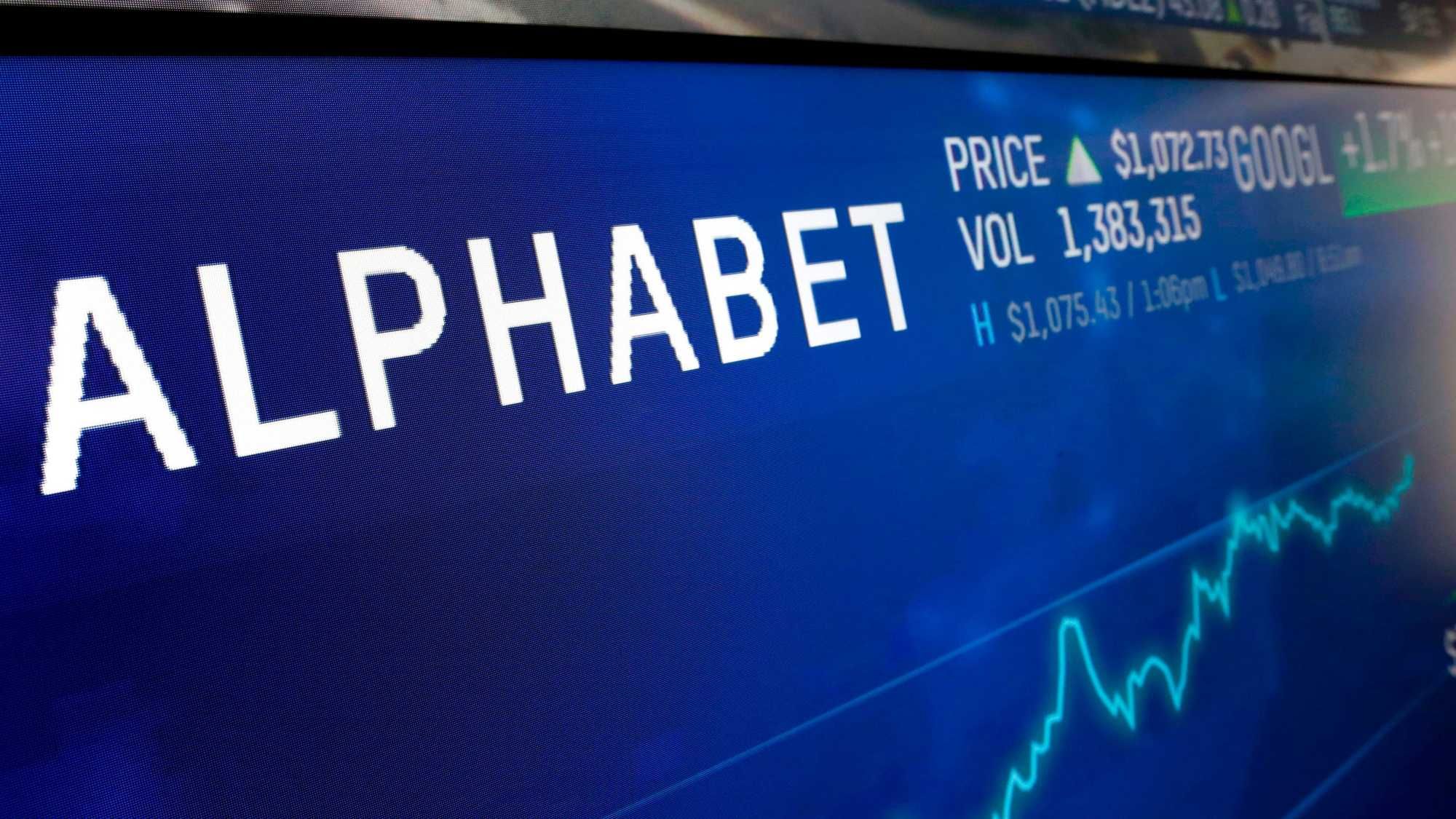




With the artificial intelligence platform ChatGPT becoming an overnight sensation, others in the tech industry are looking to replicate or push their own AI platforms. Among those is the search-engine giant Google.
Google shared that it plans to make its chatbot technology public within the coming “weeks and months.”
While the move is seen as a response to the Microsoft-backed ChatGPT, Alphabet chief executive Sundar Pichai shared with investors that the company is “extremely well positioned” when it comes to AI, which he says has reached an “inflection point,” The New York Times reported
Alphabet, which owns Google, has developed two so-called large language models, LaMDA and PaLM, Pichai shared, adding that a chatbot utilizing the former set will be released soon.
AI has been a captivating discussion for many in the tech world. Last year, a Google engineer was dismissed following public claims that he made about the company’s language model LaMDA being “sentient,” The Guardian reported at the time. Google refuted the claims, calling them “unfounded.”
Still, companies have taken strides to become prominent in the new area of tech, and ChatGPT’s success, after being made free to the public, has only sped up the timetable for many.
OpenAI, the company behind ChatGPT, estimates that the platform has reached 100 million users since it was first launched to the public on November 30.
Last week, Google began testing an AI chatbot similar to OpenAI’s, in a chatbot called "Bard" that utilizes LaMDA technology, CNBC reported.
Now after a conference call with investors, Pichai has shared the timeline for Google to release its chatbot.
“In the coming weeks and months, we’ll make these language models available, starting with LaMDA, so that people can engage directly with them,” Pichai said on the call last week.
When the platform finally does release its chatbot, the technology will be integrated into the Google search engine, according to Pichai.
“Very soon, people will be able to interact directly with our newest, most powerful language models as a companion to search in experimental and innovative ways,” he said.
How do language models work?
The language models used in AI, like Google’s LaMDA and the one used for ChatGPT, are known as neural networks.
This means that the software can mimic the basic architecture of a brain but in the form of a computer, allowing for substantial amounts of text to be fed to the language model so that it can generate sentences.
The ability to understand the context of words and generate sentences has allowed chatbots like ChatGPT to be used in creating several different forms of content. Users have created school essays, screenplays, song lyrics, and even job applications on the platform.
However, the chatbot can do more than just write papers and poems, as it can also be used to explain complex materials like quantum physics, according to experts like Matthew Sag, a law professor at Emory University, who studies copyright implications around language models.
“There’s a saying that an infinite number of monkeys will eventually give you Shakespeare,” Sag told Business Insider. “There’s a large number of monkeys here, giving you things that are impressive — but there is intrinsically a difference between the way that humans produce language, and the way that large language models do it.”
While the use of AI and different language models may become more prevalent in society moving forward, companies like OpenAI continue to stress the importance of double-checking chatbots, as they aren’t always right.
“ChatGPT sometimes writes plausible-sounding but incorrect or nonsensical answers,” the company’s website says.