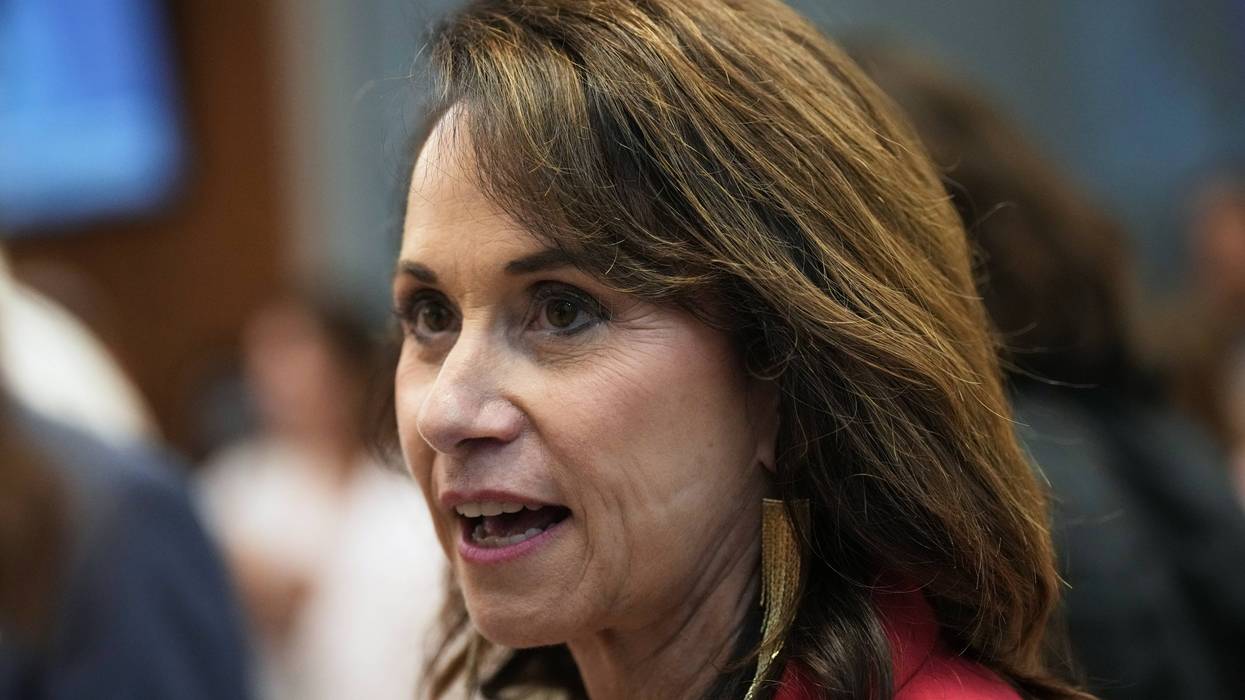



Governor Tim Walz is back on the job after he temporarily transferred power to Lt. Gov. Peggy Flanagan on Monday so he could undergo a colonoscopy. His procedure–and even some of his social media postings about the procedure–highlight the importance of preventative screenings in the fight against colorectal cancer.
“We see a lot of patients who come in because their neighbor got diagnosed with cancer or their neighbor just had a colonoscopy and had lots of polyps, and that’s what prompted them to come in,” said Dr. Emily Stern, a gastroenterologist with MNGI in Coon Rapids. “Most early colon cancers do not produce any symptoms, so that’s why early screenings are so important.”
That was the case for Doug Dallmann of Roseville–sort of. Dallmann said he had symptoms of colorectal cancer–including bloody stool–in his 20s and 30s but it wasn’t until he was 40 that he had a colonoscopy in 2010. It found he did have cancer. He underwent a year of treatment and ultimately had a colostomy. But at 53, he’s now cancer-free.
“Knowing what I know now, I clearly would have gone in much sooner and demanded a colonoscopy much sooner, and I surely wouldn’t have what I have now.”
His experience puts him in a lot of conversations with a lot of people about colonoscopies and the need for the screenings. He hears a lot of excuses from people about why they don’t get the procedure.
“Once they get over the fact of the prep–they kind of wrap their minds around it–and they do it, and they’re happy that they did it,” he said. “It’s really not that big of a deal.”
Dr. Stern said the prep–usually a day’s worth of solutions taken to clean out that part of the body ahead of the procedure–has gotten easier and more tolerable for most patients. She also said her clinic–and others–use sedatives that don’t have lingering effects quite like the old drugs did.
“In general, people end up getting through it a lot easier than they thought they would,” said Dr. Stern. “Because early detection of cancer is important, prevention is the most powerful tool, so that is why we’re so adamant about people getting checked out when they're the appropriate age.”
Doctors recommend anyone over the age of 45 get regular colonoscopies.