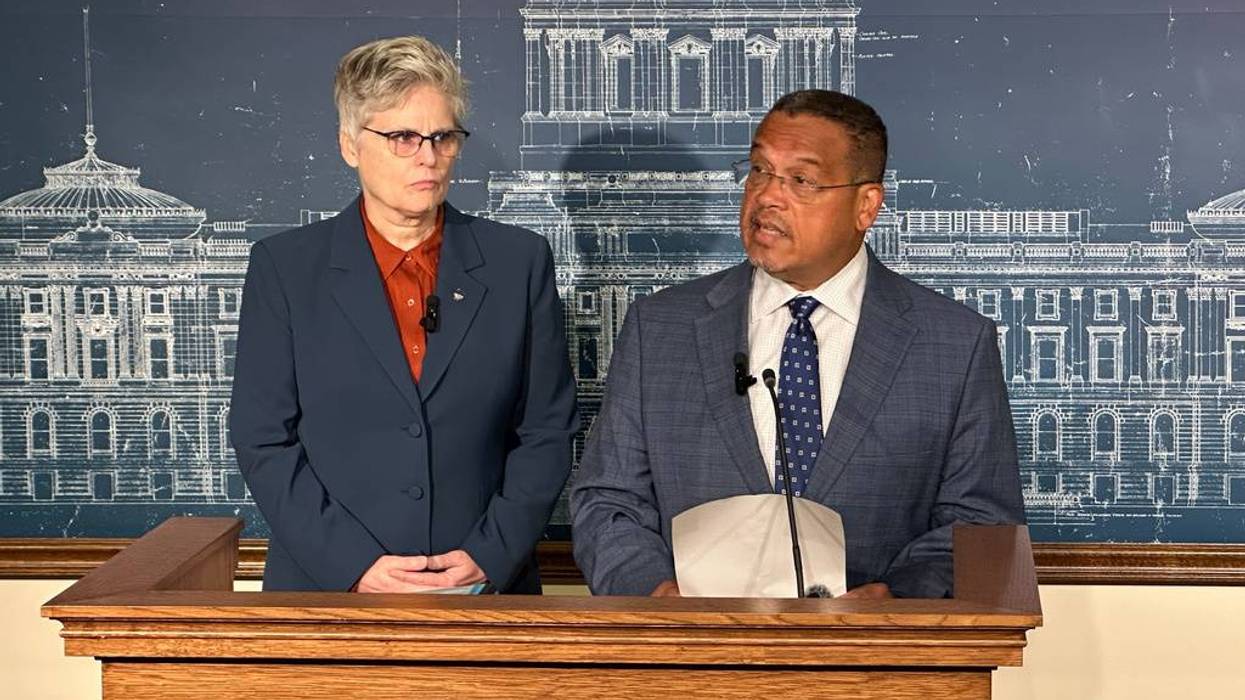



Governor Tim Walz signed an executive order reaffirming existing rights for trans people in Minnesota to access gender-affirming care.
“In this state, hate has no home,” Walz said during the signing ceremony in his reception room at the State Capitol.
The order will direct state agencies to work with health care providers to ensure that people in the LGBTQIA+ seeking safe, medically necessary evidence based treatments can access health care services without fear of repercussions.
According to a press release from the Governor Walz press office;
The executive order is directing state agencies to take the following actions:
• Coordinate to protect people or entities who are providing, assisting, seeking, or obtaining gender affirming health care services.
• The Minnesota Department of Health (MDH), the Minnesota Department of Commerce (COMM), and the Minnesota Department of Human Rights (MDHR) will investigate and take administrative actions for unfair or deceptive practices related to the denial of gender affirming health care services.
• MDH will prepare a report summarizing the literature on the scientific evidence about the safety and effectiveness of gender affirming health care and its public health effects.
• The state will decline to help other states that try to penalize individuals and entities seeking gender affirming health care services.
• The state will refuse requests to extradite individuals accused of committing acts related to, securing of, or receipt of gender affirming health care services.
• MDH, COMM, MDHR, and the Minnesota Department of Human Services (DHS) will issue a joint bulletin to health plan companies regarding the availability of health insurance coverage and the provision of health insurance benefits for medically necessary gender affirming health care services.
"We want every Minnesotan to grow up feeling safe valued protected celebrated and free to exist as their authentic versions of themselves," Walz said.
The order aims to make Minnesota a refuge for people seeking health care designed to affirm their gender identity by protecting patients and providers from extradition orders and keeping their data private. State agencies will communicate with healthcare systems about the requirements under the order.
Its aim is similar to proposals introduced in the DFL-controlled Legislature, but supporters said the recent proposals in other states prompted the need for an emergency action as the bills make their way through the process.
The legislature is also considering a bill to take this a step further to protect people from out-of-state legal action.