

Yankees fans should watch closely how the critical stages of these Collective Bargaining Agreement negotiations go – especially the part where owners and players discuss increasing the luxury tax thresholds, because whatever changes are made to this system will drive how the Yankees operate when the lockout ends and for the next several years.
Signing Carlos Correa, extending Aaron Judge, or any other big dollar transaction – all of it is tied into what the new CBA looks like.
Whispers of progress and optimism in recent labor talks have been tamped down by the players’ side, who don’t believe there will be any real progress until changes are made to increase the tax thresholds and reduce the penalties for going over those thresholds.
Yankees fans have grown weary of hearing about budgets and luxury tax, especially when revenues over the past decade have soared across the sport (and in particular with its richest franchise). Disgruntled fans can rightly point out that the Yankees had higher payrolls in 2005 and 2008 than they did in 2021. But why? It has everything to do with how the Competitive Balance Tax (CBT, or luxury tax) was set up in the last CBA.
The Yankees’ unwillingness to exceed the tax threshold has driven roster decisions for the last several years, and is likely to again unless there is significant change from the last CBA which covered the 2017-2021 seasons. The losses incurred by the players’ union in bargaining that led to that agreement put the Yankees in a position where they felt it was much too punitive to overspend. The reasons are both financial and philosophical, and the effect is Yankees fans are now watching the team draw a line they rarely are willing to cross.
While it is true that revenues have grown, spending has not because the tax thresholds were drawn up without compensating for that industry-wide growth. Belt tightening at the top and tanking at the bottom have cut so heavily into spending that players as a whole are making less than they did only a few years ago.
The history of the CBA and luxury taxes might be kind of boring, but it’s relevant, so here’s some side reading if you really want to catch up:
-Here is a good piece from Tim Dierkes of MLB Trade Rumors on how luxury tax has evolved since the last work stoppage in 1994-95.
-Here’s another from Anthony Franco of MLB Trade Rumors.
-And, while the Yankees, Red Sox, and other teams spent quite freely in the early days of the luxury tax, things have changed a bit thanks to MLB’s victory in the last negotiation, so here’s a good explainer from last year by Andy McCullough of The Athletic.
What it boils down to is that with the last CBA (2017-21), penalties for going over thresholds became steeper and involved more than just money, which the Yankees used to gladly hand over.
According to data from Forbes and The Associated Press, the Yankees paid around $325 million in luxury tax from 2003-2016 (about $23 million per year), but they paid only about $22.5 million total from 2017-202. That includes two years where they intentionally stayed under the threshold and avoided paying any tax at all, and there was a third year, the truncated 2020 season, in which no luxury tax was collected from any team.
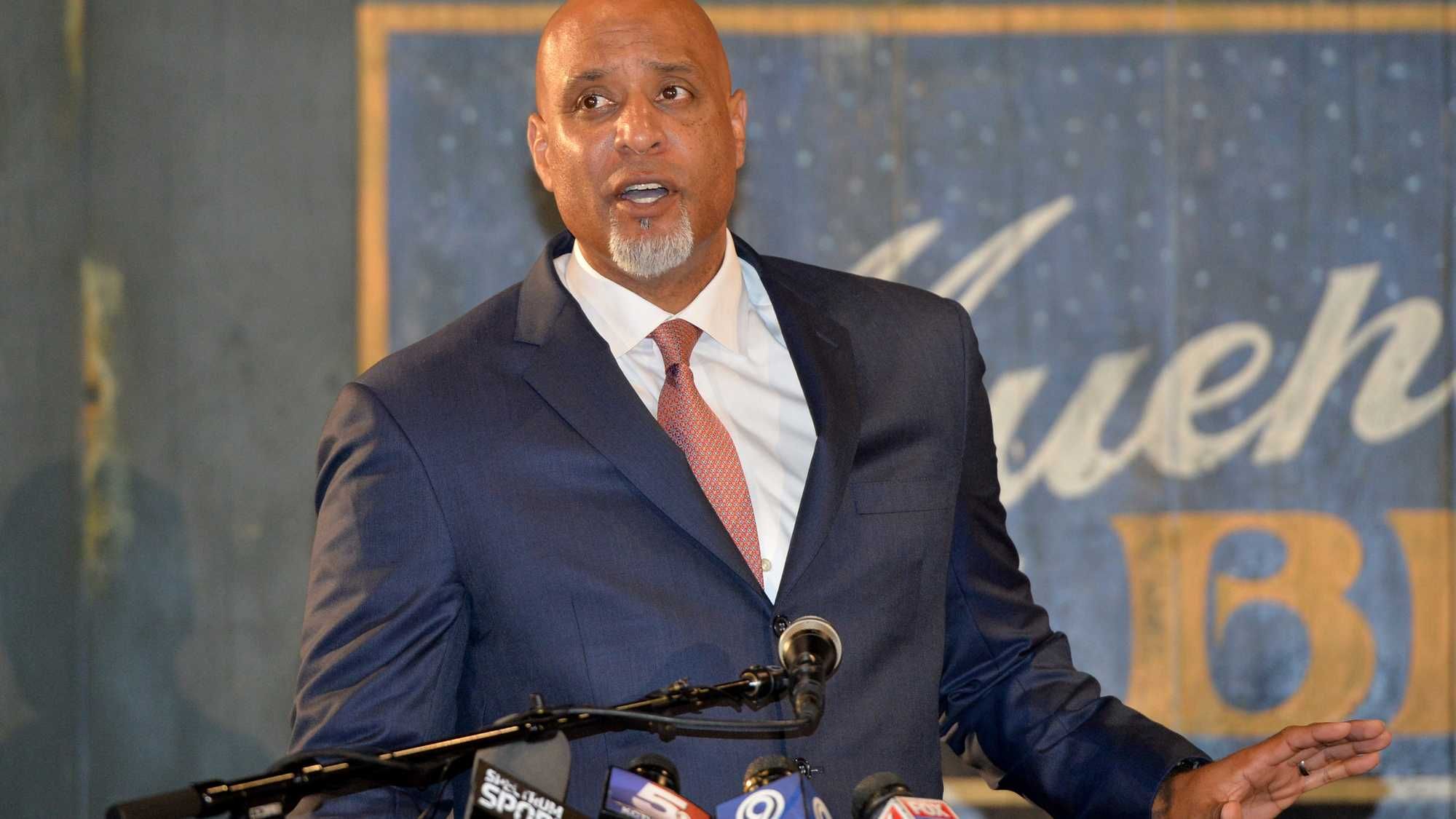
Paying an extra $23 million per year doesn’t seem like it should stop the Yankees’ spending habits; after all, they have the sport’s highest revenues and have spent some years paying more than that to players who were injured all season. So why are the Yankees suddenly so reluctant to increase spending? Because they are no longer giving up just money when they exceed the CBT thresholds.
Beginning in 2018, depending on the level of threshold and surcharges a team goes over, they could drop 10 spots in the following year’s draft; a top six pick is protected, but how many teams realistically spend over $200 million in payroll and still finish with one of the six worst records in the sport? Dropping that many spots also means less total pool money for the entire draft, which to some in the industry is seen as a bigger loss than the actual draft slot.
In addition, there are penalties for signing free agents that impacts both a team’s domestic draft and its international signing bonus pool, which are outlined on the MLB website.
What does all of that mean? It means that if you keep signing big free agents and going over the tax thresholds, you hurt your chances to replenish your farm system by losing money to spend on draft picks and international prospects. Eventually it leads to a weaker farm system, which hurts your ability to promote from within or make trades when injuries or other holes inevitably pop up…and that cycle would just continue if you wanted to keep fielding a competitive team.
Those penalties alone are enough for some teams, like the Yankees, to be keenly aware of the tax threshold, and it’s why the union’s recent proposals include significantly raising the tax thresholds and removing any penalties that aren’t simply monetary like they were before 2017.
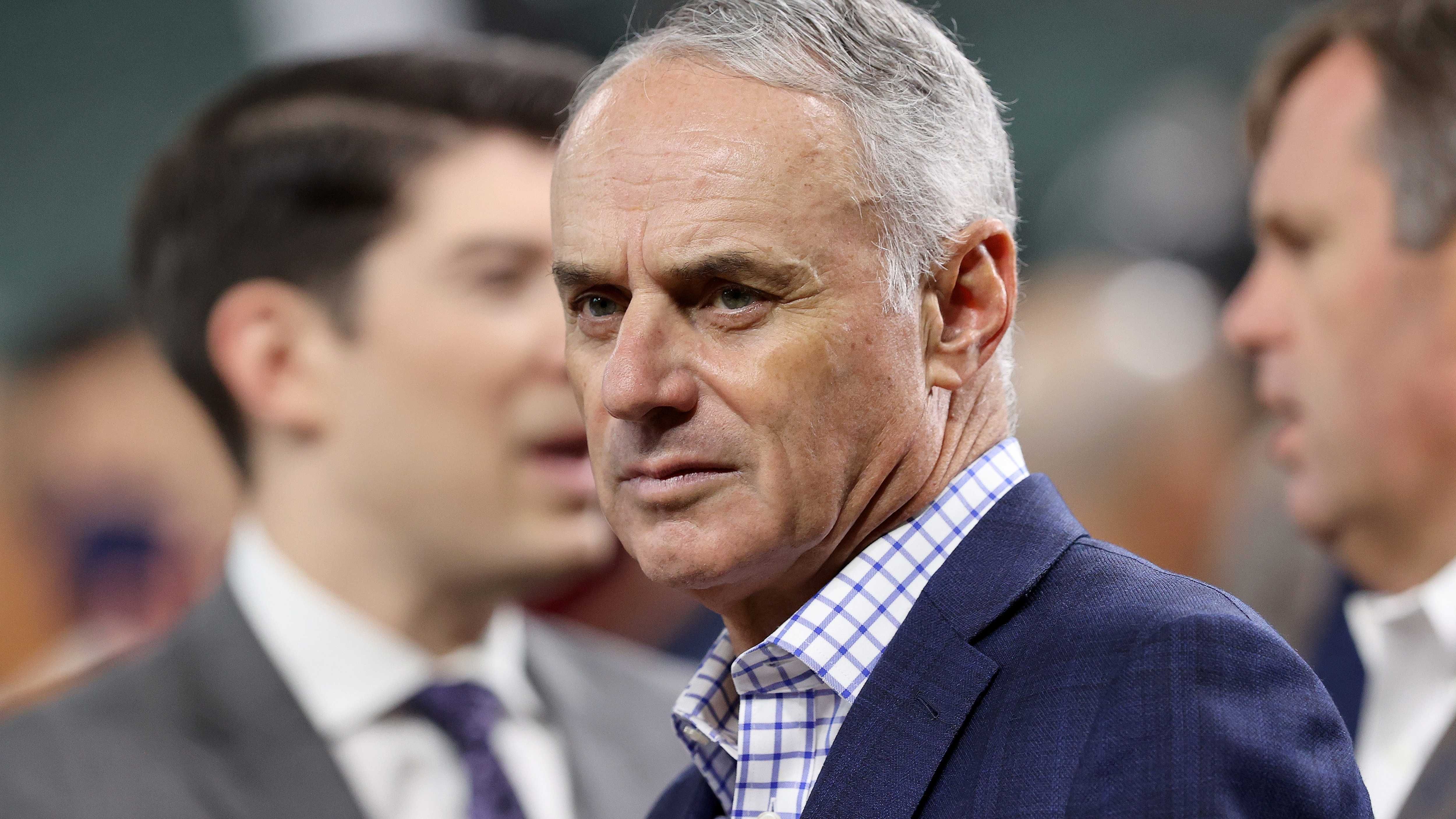
Meanwhile, the league has proposed only modest increases to the thresholds, while keeping the current draft and international signing penalties in place. MLB is also looking to increase the monetary component with higher tax rates for teams that go over the CBT threshold, especially teams that do it over and over like the Yankees, Red Sox, and Dodgers have in the past.
There’s also an additional penalty that affects the Yankees and Red Sox more than any other team, and it’s another part of the Yankees’ resistance to spending more on payroll.
Prior to 2017, luxury tax money collected was divided up between a fund for players’ pensions and what is called the Industry Growth Fund (a wide-ranging initiative that covers ways of promoting and growing the game, as well as running a program that deals with anti-domestic violence training, among other things).
But, in 2017, a portion of the tax money collected began going to all teams that did not exceed the tax threshold – and that means that when the Yankees and Red Sox exceed the tax threshold, a portion of the tax they have to pay ends up in the pockets of the Tampa Bay Rays, who are already pretty good even with their low payroll.
Other divisions do not have similar battles between multiple high-spending teams and successful low-spending teams, but that could change soon in the NL East, where the Mets (and maybe the Phillies) will likely be far over the threshold next year, while the Marlins continue to build a low-spending, efficient model similar to the Rays.
The actual amount of money handed out to other teams through these tax penalties has ended up being quite small: less than a million dollars per team for 2021. But that’s in large part because the system is working the way it was designed – teams are not spending wildly over the tax thresholds, so the pool of tax money collected is relatively small.
A more freewheeling approach would send millions of dollars into the pockets of lesser spending competitors, and that’s in addition to revenue sharing dollars, which come from a whole different bucket of cash. Separate from this, let’s not forget the teams that practice tanking are still profiting despite deliberately putting a terrible product on the field.
Revenue sharing was agreed upon and is something that a team can’t necessarily control – but what they spend on player payroll is absolutely something they can control, and the last CBA was designed to slow down large market spending like we typically see from the big boys in the AL East. The Yankees and Red Sox have privately expressed their dislike for a system that subsidizes the competition, so over the last few years they’ve simply done their part to avoid it by curbing spending the closer they get to tax thresholds. In some cases, they have purposely shed payroll to get under the threshold altogether and avoid the escalating nature of the penalties.
And that brings us back to the ultra-important part of the current CBA negotiations: the new thresholds, the structure of the penalties, and the disbursement of the collected money will all be key in determining where the Yankees go with their payrolls in the near future. There are 29 other teams that like seeing some sort of cap on the Yankees spending, and that’s exactly what they created – a soft cap treated like a cap nonetheless. And the players’ union agreed to it.
The last CBA introduced penalties involving draft picks, international money, and subsidies. If all of these are unchanged in the new CBA, with only moderate increases to the thresholds, it is likely to be more of the same from the Yankees going forward, despite revenues that continue to grow.
At this point, the union is showing no willingness to make a deal unless there are significant changes to that part of the system. Traditionally, it is very difficult to take something out of the CBA once it is in place, and MLB is not going to simply give back their previously won gains without a significant trade-off from the union. And, there are those who feel tanking is the greater evil, affecting more of the competitive and economic balance than the cap on large market spending.
In fairness, some payroll restrictions were inevitable and necessary, because the gap between large and small market teams was widening and the teams still operate in a cooperative system – they should be trying to beat each other on the field, not put one another out of business. But the payroll restrictions have failed to keep up with the industry’s financial growth, and it’s a big reason why the two sides have yet to reach a new agreement.
Now that it’s February, the whole sport needs this negotiation to gain momentum in order to start the season on time and avoid even more severe damage to its public image. But if you’re a Yankees fan, pay close attention to what might just seem like boring details, because how this eventually gets settled will drive your team’s decision making for a very long time.
Follow Sweeny Murti on Twitter: @YankeesWFAN
Follow WFAN on Social Media
Twitter | Facebook | Instagram | YouTube | Twitch