



Since COVID-19, the coronavirus that broke out in the Chinese city of Wuhan in January, the virus has quickly spread around the world, causing panic, shortages on medical and cleaning supplies, and a lot of confusion.
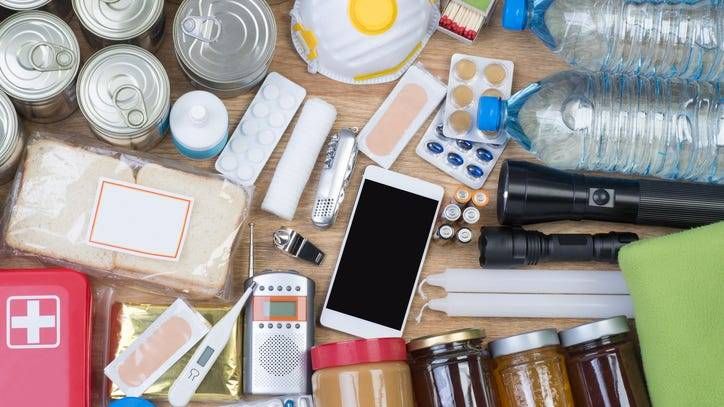
If you're worried about the coronavirus or you just want to be prepared, here's how to know if you have become infected and what to do next.
Mild Symptoms: Cough, Fever, Fatigue
 Fever is a common symptomProstock-Studio / Getty Images
Like the flu, another coronavirus, COVID-19 can cause symptoms not unlike a bad cold. The vast majority of cases are mild. You may run a fever, and experience a dry cough and fatigue.
Severe Symptoms: Shortness of Breath and Diarrhea
 When sick turns to really sickRyanKing999 / Getty Images
While the new coronavirus resembles the common cold, it can lead to more drastic symptoms like trouble breathing or diarrhea. If breathing becomes very difficult or if diarrhea leads to severe dehydration, the illness could cause major damage, especially in elderly folks already vulnerable to other conditions.
When Symptoms Appear
 Thinking back to infectionmonstArrr_ / Getty Images
Symptoms won't appear instantaneously. You may start to feel sick anywhere from 2 to 14 days after infection.
Treatment for Mild Symptoms
 Soup cures almost allbelchonock / Getty Images
Unless you have travelled to a high-risk area or interacted with someone who has a confirmed case of COVID-19, you should stay home. Isolate yourself from the general public, work remotely, and avoid going out except for medical care. As long as your symptoms are mild, they aren't anything to become too concerned about. Just take care of yourself like you would with any other severe illness — get plenty of fluids, rest and electrolytes.
Call Your Doctor
 A doctor's office can help get you wellmonkeybusinessimages / Getty Images
The CDC doesn't recommend that everyone who feels a little sniffly call their doctor. Only patients in certain circumstances should do so to avoid hospital beds clogged with patients who don't need to be there. The CDC recommends anyone who feels sick who has also recently traveled to a high-risk area or interacted with someone confirmed to have COVID-19 should contact their doctor. A medical professional can help assess your particular situation and direct you to the right place to receive care.
Protect Others
 Protecting others with a face maskstevanovicigor / Getty Images
Don't just show up at an emergency room or doctor's office. Be sure to call ahead so the medical facility can prepare and ensure you don't infect anyone else. While masks are generally ineffective at protecting healthy people from getting the virus, they can help sick individuals from spreading it, so strap one on.
LISTEN NOW on the RADIO.COM App
Follow RADIO.COM
Facebook | Twitter | Instagram