

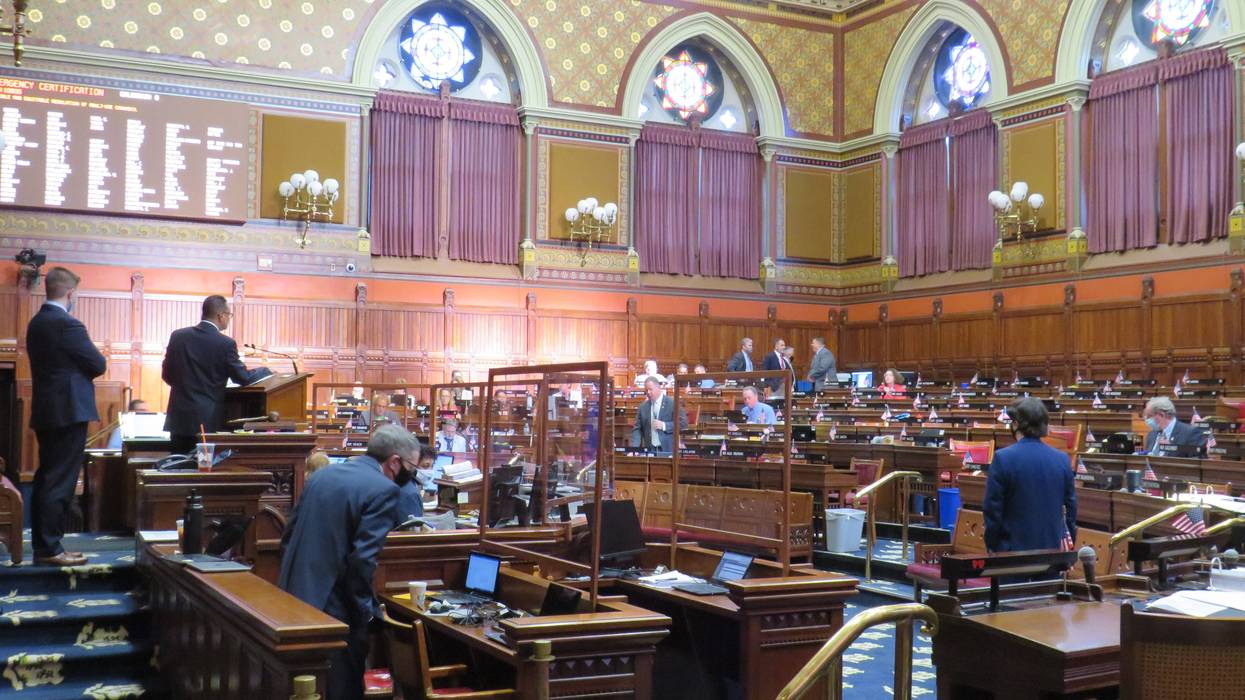

When they convene their new session at the Capitol in Hartford on Wednesday, state Democrats and Republicans will bring different approaches to tackling the challenge of making Connecticut more affordable.
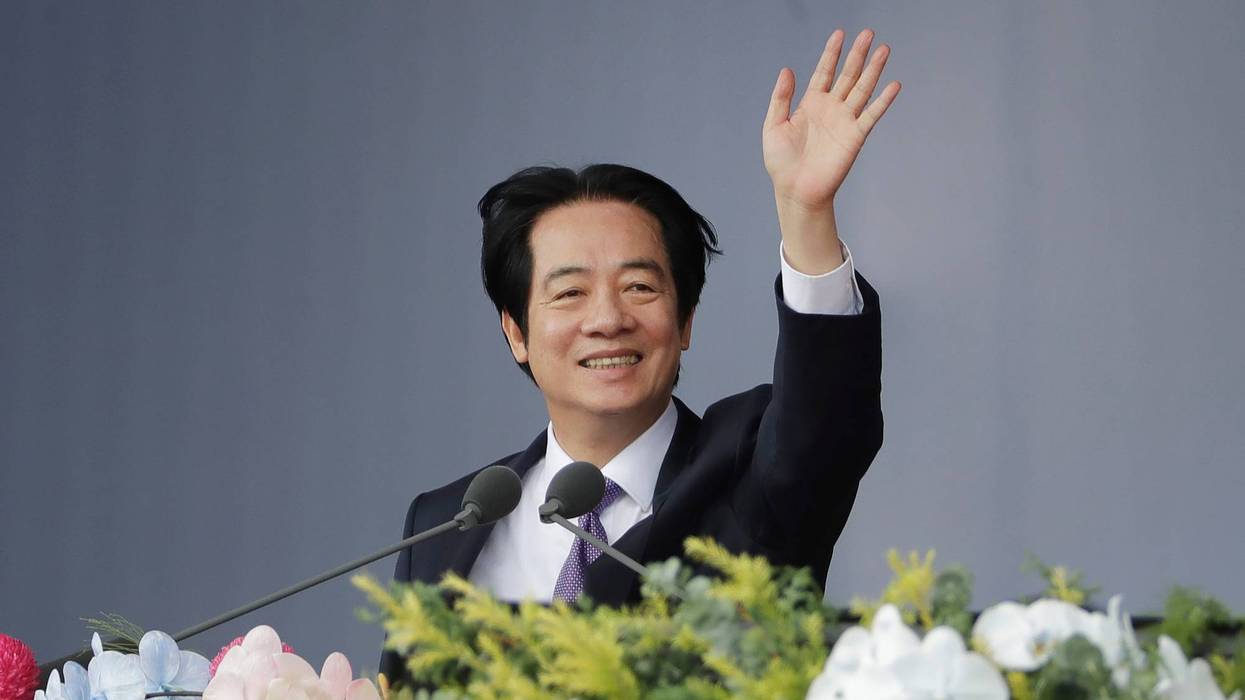
In his State of the State address to lawmakers, Gov. Ned Lamont (D) will propose a $200 per person tax rebate.
It’s a start, according to state Rep. Farley Santos (D-Danbury), who says, “People are feeling the pinch. $200 might not seem like a lot, but it perhaps helps a family buy that week’s groceries, or pay that light bill.”
Rep. Chris Poulos (D-Southington) isn’t sold yet on the rebate, which would cost the state an estimated $500 million. He says he’ll consider the “return on investment:”
“Is that $200 going to change lives, make things more affordable? I will talk to constituents, and I will get their feel for that.”
Republicans think the governor should swing bigger, with an expansion of the property tax credit. “We believe that if there’s money left over, after we’ve had our fiscal house in order,” says Rep. Dave Rutigliano (R-Trumbull), “after we’ve paid down some of our debt that should be returned to the taxpayer, and $200 really is just not enough.”
Rep. Santos doesn’t rule out the property tax credit, saying, “If we can find the map that makes sense that doesn’t put the state into further deficits, or if it doesn’t cause any long term debt, sure, but I haven’t seen the math yet that proves that’s a good idea.”
Lawmakers will also take a look at high energy costs. Last year, the state Bond Commission voted to borrow $155 million to pay off a portion of the controversial “public benefits charge.” Republicans would like to move all of that charge off residents’ bills and into the state budget, something Lamont has not agreed to do.
Members of both parties say Connecticut needs to expand and diversify its energy sources, creating more supply. This week, the state Department of Energy and Environmental Protection requested proposals to provide zero carbon electric power.
Rutigliano says the effort should be expanded to include fossil fuels:
“We may have these laudable ‘greenhouse’ goals, but we actually need more natural gas to produce the electricity.”
“We have to diversify our energy sources,” says Santos. “It can’t just be one, or all, right?”