


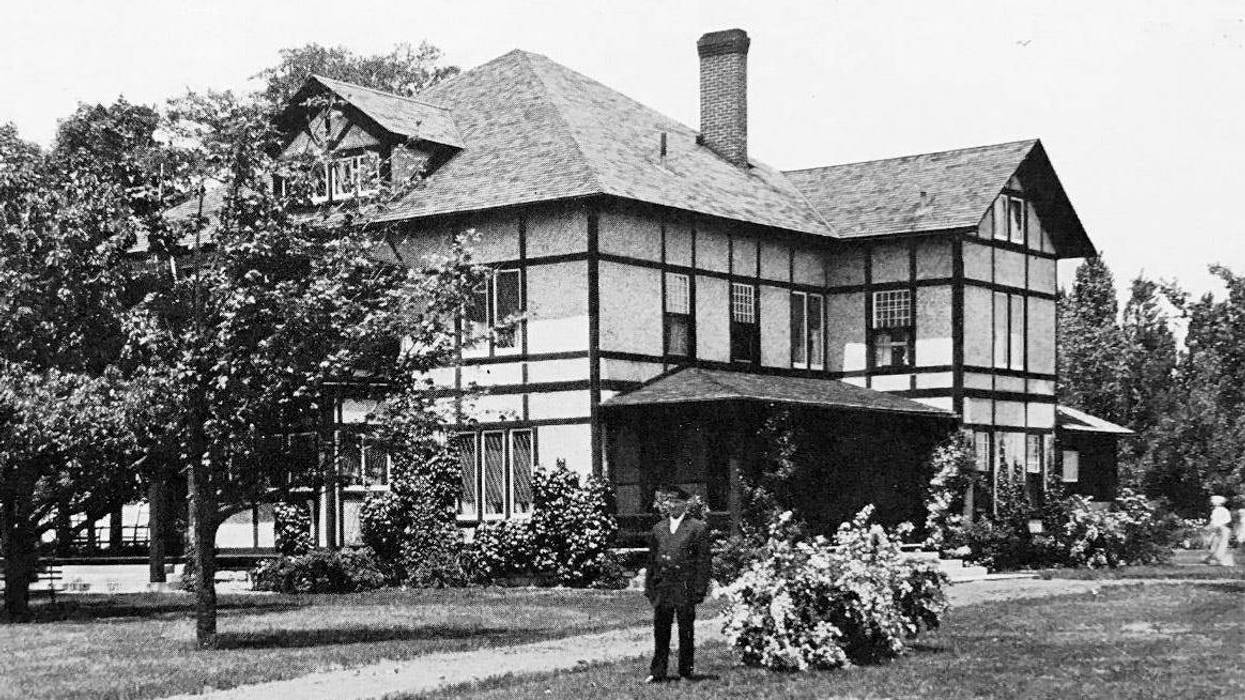

(WWJ) Twelve historic Michigan properties have received special recognition through their listing in the National Register of Historic Places.
That's the U.S. federal government's official list of districts, sites, buildings and other structures deemed worthy of preservation.
The dozen Michigan properties listed in the 2020 register include three from Detroit. Each nomination is referred to as a "property," whether it is a single structure or a historic district composed of hundreds of individual buildings.
The 2020 additions are the following:
• Alpena, Bingham School, Alpena County
• Charlotte, Charlotte Central Historic District, Eaton County
• Detroit, Great Lakes Manor, Wayne County
• Detroit, Michigan Avenue Historic Commercial District
• Detroit, Warren Motor Car Company Building
• Grand Rapids, American Box Board Co. Headquarters and Factory, Kent County
• Ludington, Haskell Manufacturing Company Building, Mason County
• Manistee, Guardian Angels Church, Manistee County
• Park Township, Lakewood Farm, Ottawa County
• Sault Ste. Marie, Sault Ste. Marie Historic Commercial District, Chippewa County
• Southfield, Northland Gardens, Oakland County
• Ypsilanti, Highland Cemetery, Washtenaw County
"From Detroit to the Soo and from individual properties to commercial and residential historic districts, these historic properties tell the stories of our communities, our state, and our nation. They illustrate our shared history, foster a sense of pride in our communities, provide recognition of our historic places, and generate investment and economic activity," said Deputy State Historic Preservation Officer Martha MacFarlane-Faes.
More than 95,000 properties across the country, including nearly 2,000 in Michigan, have been listed in the National Register since the program began in the 1960s. The National Register is a program of the National Park Service and administered by the states.
To be considered for listing in the National Register, a property must generally be at least 50 years old, and must also be significant when evaluated in relationship to major historical events or trends in the history of their community, the state, or the nation. A property must also possess historic integrity – the ability to convey its significance.
For more information about the National Register of Historic Places program in Michigan, and on how to nominate a property, visit this link.


