


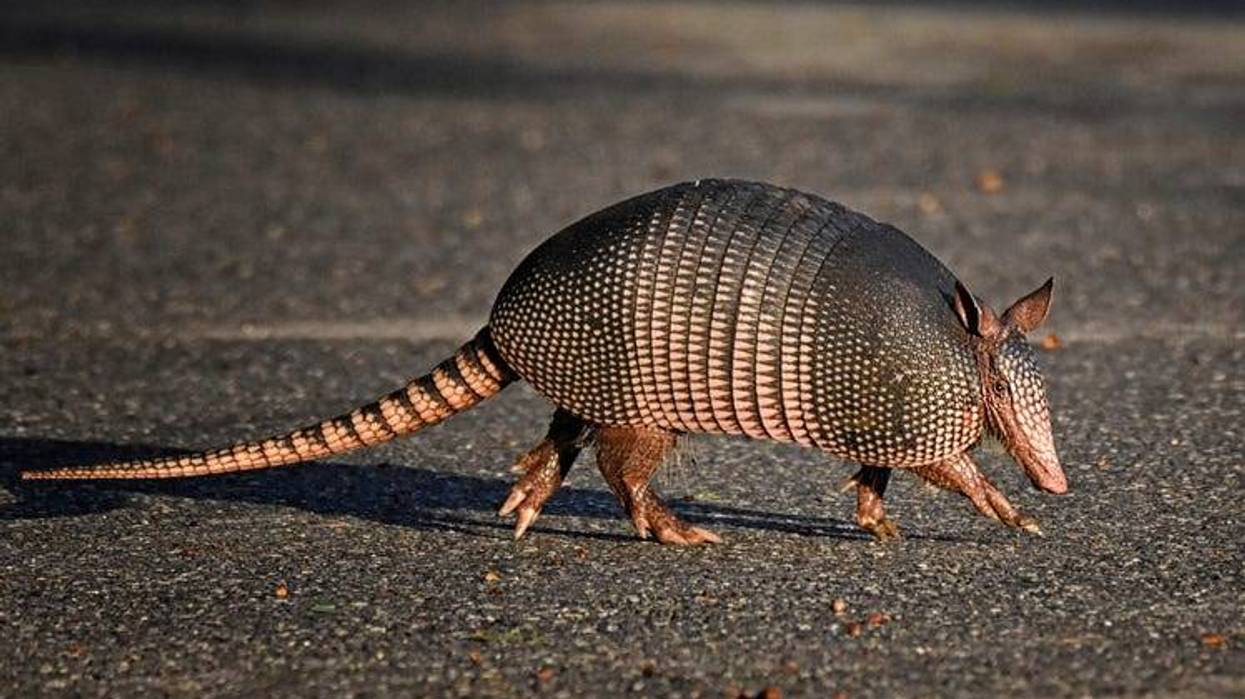

(WWJ) Have you ever seen an armadillo in the wild? Wildlife experts say a few of these armored mammals have been found it Michigan — but they're not sure how many are out there, or why.
Recent reports of armadillo sightings in Michigan have sparked curiosity and investigation by the state's Department of Natural Resources (DNR).
While the presence of armadillos in the Great Lakes State might seem unusual, officials note that the species has been steadily migrating northward for decades.
Speaking with WWJ Newsradio 950's Amanda Forrester this week, DNR Commission Chair Becky Humphries noted that the DNR's pathology laboratory has received several armadillos turned in as roadkill.
The exact origin of these specific animals remains a mystery, however, as officials weigh whether the population is naturally migrating due to milder winters or if the animals are being placed along roadways as a prank.
"We know armadillos have been making their way north," Humphries said, citing scientific papers from 15 years ago that documented their presence in Virginia.
A recent study released by the U.S. Geological Survey says the nine-banded armadillo that can be found in southwestern part of Indiana has been moving north.
And Humphries says species has since been spotted in Ohio and Illinois, near Michigan's southern border.
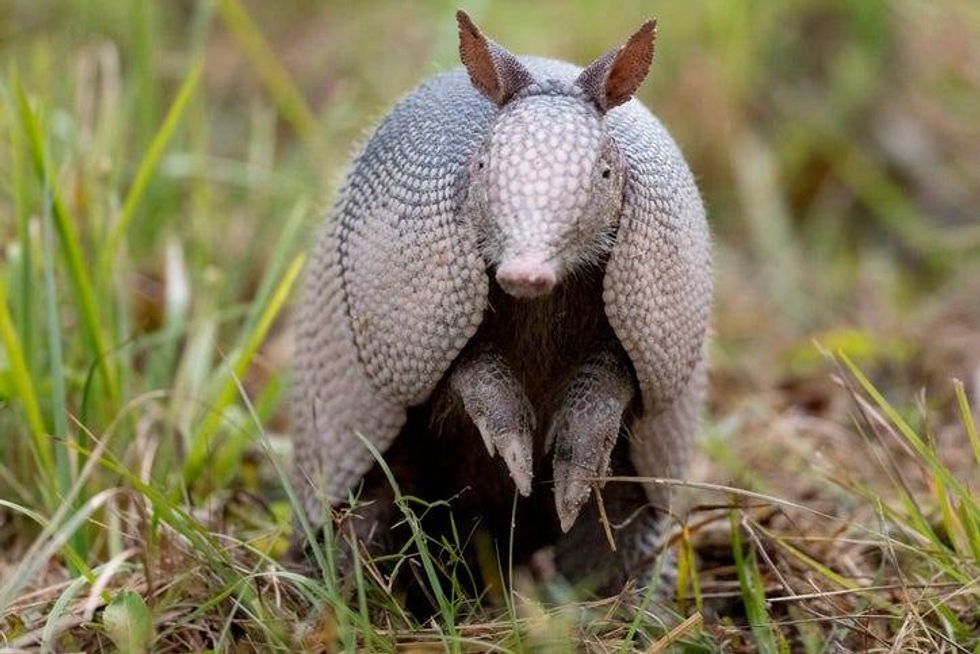 A nine-banded armadilloGetty Images
For those who are unfamiliar, the average nine-banded armadillo is roughly the size of a large house cat or opossum, weighing between 8 and 17 pounds and measuring 24 to 32 inches long, including their 14-to-16-inch tail. The armadillo is known for its powerful digging claws and armor-like skin that covers most of its body.
In response to recent sightings, Humphries said the DNR is looking to update regulations to ensure armadillos are classified as an "unprotected species" in Michigan.
That way if a Michigander were to find one causing a mess on their property, they'd be legally allowed to remove them.
"They can be quite destructive on your yard," Humphries warned. "They eat, you know, grubs and stuff in the dirt, and insects. They dig around at night, and it looks like somebody takes a rototiller to your yard."
Sometimes referred to in the south as a "possum on the half shell," the armadillo is highly adaptable and a surprisingly capable swimmer, Humphries said. While they have poor eyesight, their ability to burrow helps them survive colder snaps, though Michigan's harsh winters still serve as a significant barrier to their northern expansion.
While experts say there's a chance the armadillo could eventually become common in Michigan, for now, Humphries said the DNR continues to monitor the situation.