

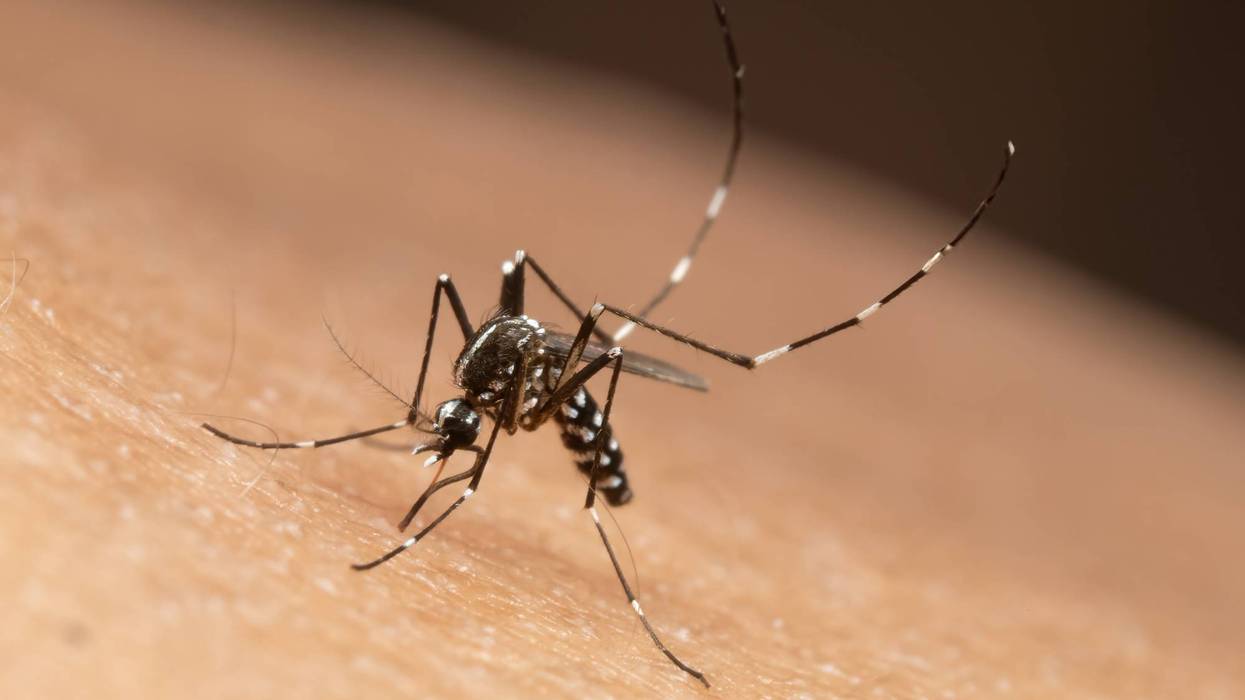

(WWJ) Wayne County Public Health has confirmed the area’s first human case of West Nile virus (WNV) for the 2026 season in an out-Wayne County resident.
With this case in mind, health officials are reminding the public that mosquito season remains in full swing. While mosquito activity and WNV transmission in Michigan typically reach their peak between late August and early September, transmission can continue from mid-summer straight into early fall.
"This is an important reminder that mosquito season is not over," said Dr. Avani Sheth, Chief Medical Health Officer for Wayne County Public Health. "As we enter the time of year when West Nile Virus activity is typically highest, we encourage residents to take a few simple precautions to protect themselves and their families."
Silent spread: Most infections cause no symptoms
A key challenge with West Nile virus—the leading cause of mosquito-borne illness across the United States—is that it often spreads without obvious warning signs. The vast majority of people infected with WNV never develop any symptoms at all.
For the minority who do fall ill (roughly 1 in 5 people), symptoms typically appear 2 to 14 days after being bitten by an infected mosquito. Mild to moderate symptoms can include:
- Fever
- Headache
- Body aches and joint pain
- Vomiting and diarrhea
- Rash
In rare cases, the virus can trigger severe and potentially life-threatening neuroinvasive conditions, such as meningitis or encephalitis (inflammation of the brain). Adults aged 65 and older, as well as individuals with weakened immune systems, face a significantly higher risk of developing severe complications.
Health officials advise anyone who develops concerning symptoms—especially following recent mosquito bites—to contact a healthcare provider promptly.
Prevention strategy: Protect yourself from mosquito bites
Because there is currently no specific medication or treatment for West Nile virus, public health authorities emphasize that personal protection and mosquito control are the best defenses.
Wayne County Public Health recommends the following simple precautions to reduce exposure:
- Use Insect Repellent: Apply an EPA-registered insect repellent containing active ingredients like DEET.
- Avoid Peak Activity Hours: Limit outdoors time during dawn and dusk, when mosquitoes are most active.
- Cover Up: Wear long sleeves, long pants, and socks when spending time outdoors.
- Eliminate Standing Water: At least once a week, empty any standing water where mosquitoes can breed, including tires, buckets, toys, plastic pools, birdbaths, flowerpot saucers, and trash containers.
- Secure Your Home: Install or repair window and door screens to keep mosquitoes from entering indoor living spaces.
For more information on West Nile virus, visit www.cdc.gov/west-nile-virus or www.michigan.gov/wnv.
Health officials say most infected show no symptoms
Health officials say most infected show no symptoms