


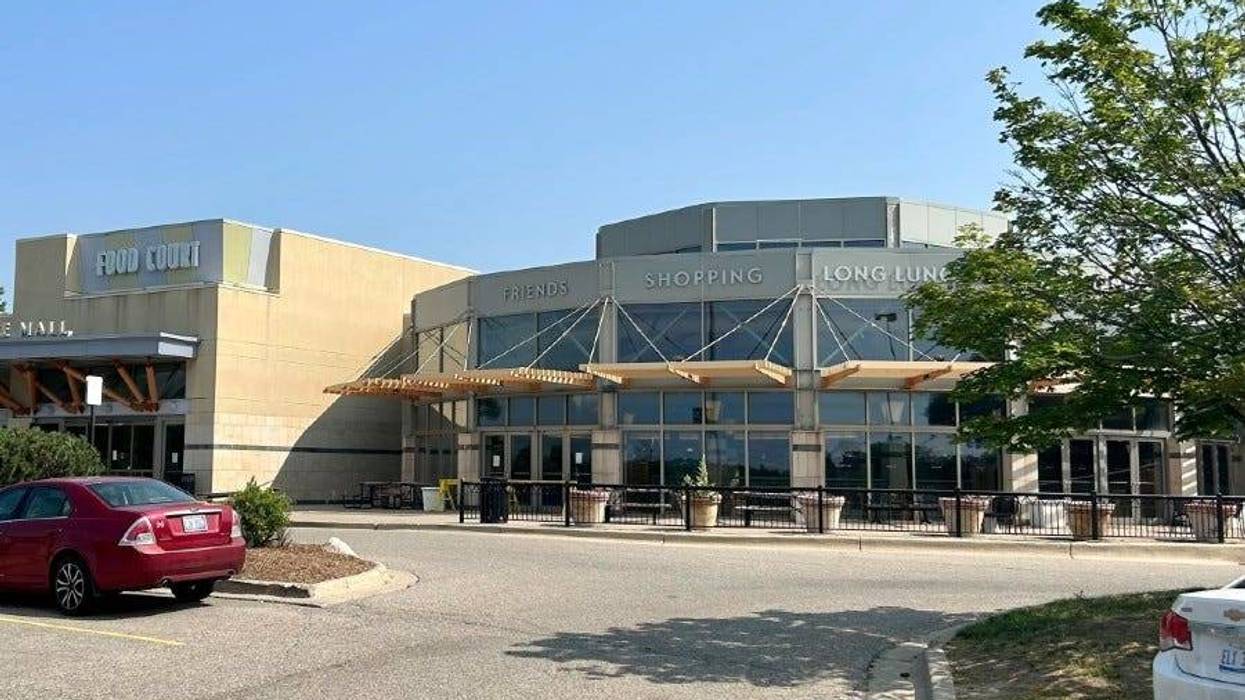

STERLING HEIGHTS, Mich. — Plans to redevelop Lakeside Mall are officially moving forward after the Michigan Strategic Fund Board unanimously approved more than $270 million in financial incentives today.
The approved Transformational Brownfield Redevelopment Plan clears the final major hurdle for the project, allowing the mall's owner, Lionheart, to secure financing to demolish the structure and build a massive new city center.
Sterling Heights Mayor Michael Taylor spoke to WWJ following the vote, saying that all necessary city and state approvals are now firmly in place after a planning process that spanned more than a decade.
"This has been a very long road. We've been at this for almost 11 years or longer. It was a long process and it took a lot of approvals both from the city and the state of Michigan," Taylor told WWJ. "But now all of those approvals are in place. Everything is ready to go. So now it's just a matter of timing when the developers can actually get the work started. But we're excited now because it's no longer a theoretical project."
With the financing secured, the developer is preparing to pull demolition permits and put out contract bids for the 1.5-million-square-foot building.
Officials anticipate that demolition could begin as early as the fourth quarter of 2026 or the first quarter of 2027, with the mayor planning to address the next steps at the upcoming City Council meeting in July.
Documents show the developers plan to invest a total of $621 million to construct the new Lakeside City Center. The sprawling mixed-use community will feature nine multifamily buildings ranging from four to five stories tall, bringing an estimated 1,545 residential units to the area.
The development will also feature a brand new retail and commercial district spread across seven buildings, alongside newly constructed streets, sidewalks, trees, a central community park, and open greenspace.
According to Taylor, the sweeping project will be executed in two distinct phases, starting on the east side of the property. Phase One construction is expected to take four to five years to complete, with developers aiming for full construction on the initial phase around 2032.