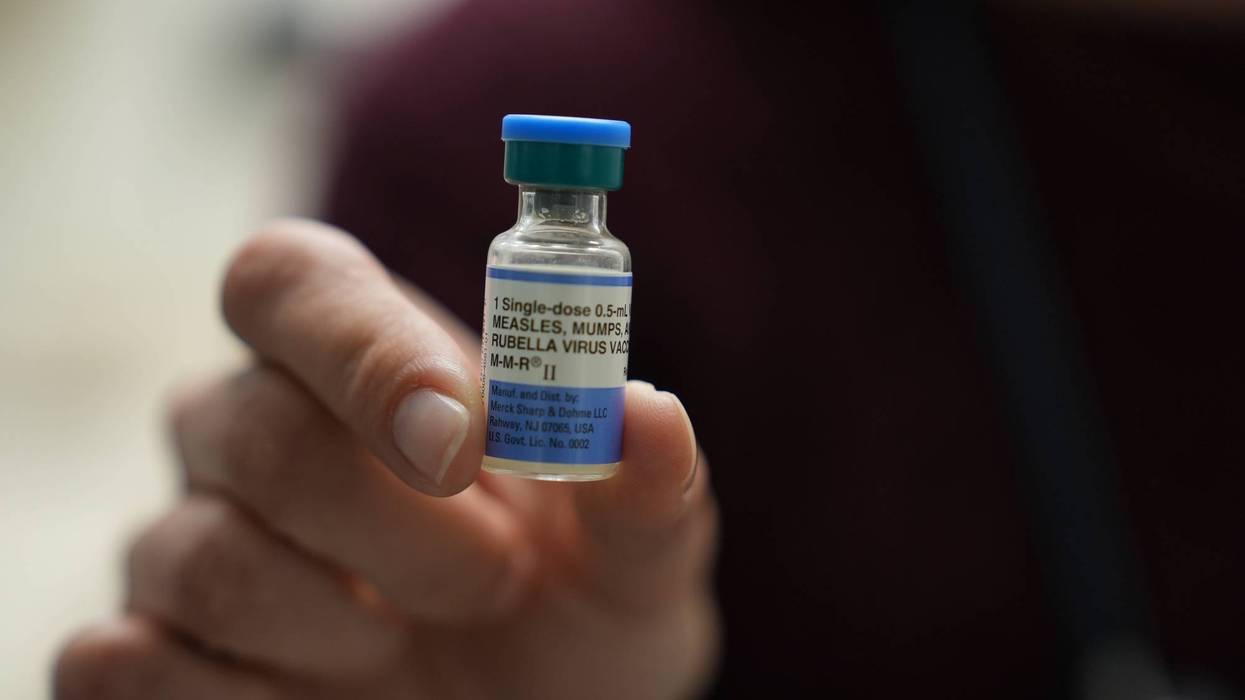


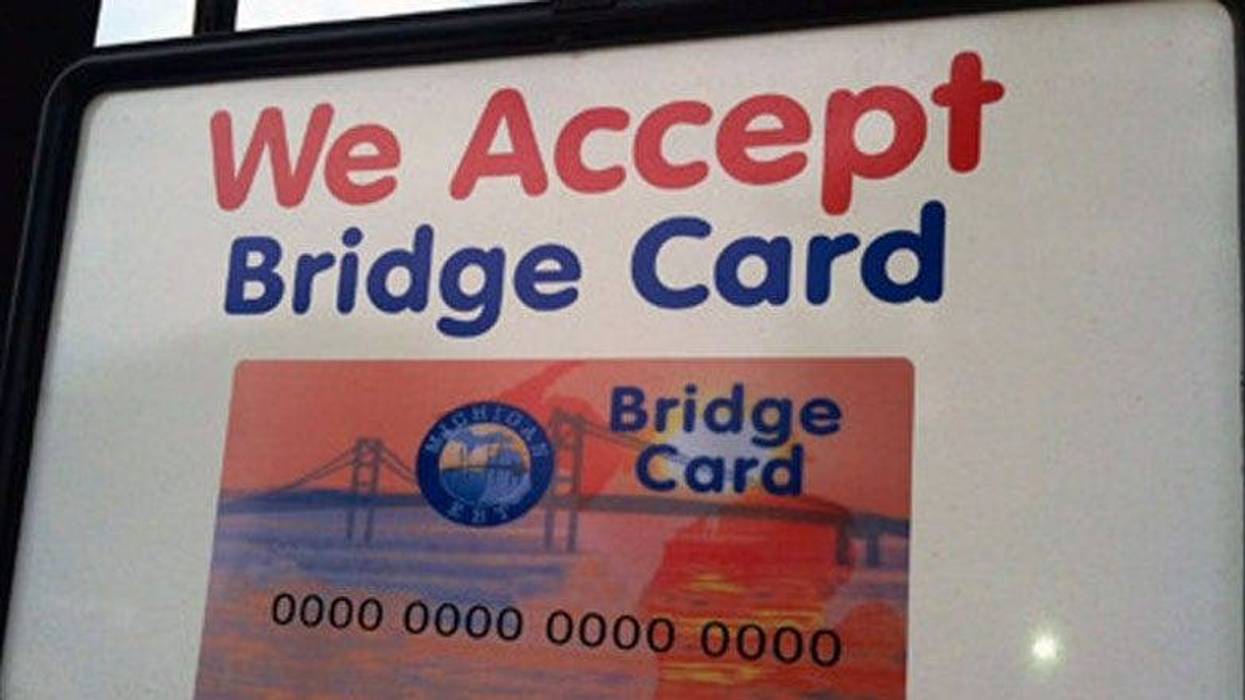

(WWJ) Michigan Attorney General Dana Nessel is among those suing the Trump administration to stop a new immigration rule that would punish legal immigrants for using public assistance programs like food stamps and Medicaid.
Nessel joined 21 other state attorneys general, Washington D.C., and several local governments to challenge the Department of Homeland Security (DHS) policy in federal court. Under the new rule, which is set to kick in on Sept. 18, immigration officers get wide freedom to deny green cards to people who legally use public benefits.
“The vast majority of Michigan’s immigrants arrived at and remain in our country legally,” said Nessel, in a news release. “Once again, this administration is ignoring the law for its own xenophobic purposes. Implementation of this rule would purposefully instill fear in immigrant communities and punish hardworking residents and their families for justly accessing public assistance programs. My office will continue to advocate for Michiganders regardless of their place of birth. I stand proudly with my colleagues in requesting the withdrawal of this ill-conceived rule.”
What’s changing with the "public charge" rule?
Historically, a "public charge" meant someone who relied almost entirely on the government for basic survival—like someone receiving ongoing cash support or living in a government-funded care facility.
The new policy changes that completely:
- More programs count against you: Almost any public benefit—no matter how short a time you use it—can be used by immigration officers to deny a green card.
- Family benefits count, too: Officers can even penalize applicants if their legal family members—including kids who are U.S. citizens—use benefits.
- No clear rules: The policy doesn't set clear limits on how much help is "too much," leaving families guessing whether getting assistance will ruin their chances of staying in the country.
Why the administration says the rule is needed
The Trump administration defends the policy shift as a necessary measure to protect American taxpayers and promote financial self-reliance.
Federal officials argue that immigration policy should prioritize individuals who can support themselves without relying on government safety nets. Department of Homeland Security (DHS) officials maintain that noncitizens should not become a financial burden on U.S. taxpayers or strain state-funded public welfare systems. The administration also points to potential cost savings, projecting that restricting access to these transfer payments will preserve billions in public funds.
Why critics say this matters for all Michiganders
State leaders argue the fallout will hit all Michigan residents, not just immigrant families.
Because people will likely drop off public assistance out of fear, DHS estimates states could lose roughly $4.05 billion a year in federal healthcare funds (Medicaid/CHIP) and $1.02 billion in food assistance (SNAP).
That drop hurts the broader community in a few major ways:
- Pushes up healthcare costs: When people lose health insurance, they skip routine doctor visits and end up in emergency rooms when they get sick. That puts a strain on safety-net hospitals and drives up medical costs for everyone.
- Hurts local schools: If fewer families use food stamps or Medicaid, local schools might lose the automatic funding that pays for free and reduced-price lunches. It could also trigger cuts to federal Title I school funding.
- Hurts local grocery stores: When families have less SNAP money to buy food, local grocery stores and neighborhood businesses lose customers and revenue.
- Wastes taxpayer money: State agencies will have to spend money on extra staff training, system updates, and community outreach just to handle the confusion.
What the lawsuit is asking for
Nessel and the legal team argue that the federal government is overstepping its authority and breaking administrative laws. They are asking a federal judge to toss out the rule before it takes effect, protecting state residents and local budgets from the fallout.